Mongolia Economy & Technology Sector Report 2026: Mining, Fintech & Digital Growth
Mongolia's mining-driven economy faces a pivotal shift as fintech and digital infrastructure accelerate. Analysis of Oyu Tolgoi, 5G rollout, and geopolitical strategy.

Summary
Mongolia stands at a critical juncture in its economic development. The economy has demonstrated remarkable resilience, expanding by 6.9 percent in 2025, driven by a strong rebound in agriculture and robust mining performance, particularly copper production at the Oyu Tolgoi mine [1]. Growth is projected to remain robust in 2026 at approximately 5.0 to 5.8 percent, though non-mining sectors remain subdued and inflationary pressures have re-emerged [2][1].
The mining sector remains the undisputed pillar of the Mongolian economy, contributing approximately 25 percent of GDP and over 90 percent of exports [7]. The Oyu Tolgoi copper-gold mine represents the single most important economic asset, with production reaching 345,000 metric tonnes in 2025 and expected to average 500,000 tonnes annually from 2028 to 2036 [25][3]. However, this concentration creates structural vulnerability: commodity price volatility, particularly the sharp decline in coal prices in 2025, directly transmits to fiscal revenues and external balances [2].
The technology sector, while still nascent, exhibits genuine promise. Mobile penetration is widespread, and 5G was officially launched in May 2025 [9][10]. The fintech ecosystem has attracted significant international investment, with AND Global raising USD 21.4 million in Series B funding in 2025 [8]. The government has enacted the Law on Supporting Information Technology Production (2024) and established a Virtual Zone offering tax incentives for IT firms [24][16]. However, the technology sector remains small in absolute terms, constrained by a limited domestic market, scarce venture capital, and a modest pool of highly skilled technical talent.
Geopolitically, Mongolia's position between China and Russia defines both its opportunities and its vulnerabilities. The China-Mongolia-Russia Economic Corridor, extended through 2031, offers infrastructure development potential, while the proposed Power of Siberia 2 gas pipeline could generate substantial transit revenues [11][12]. Concurrently, Mongolia's "Third Neighbor" strategy (engaging the United States, Japan, South Korea, and others) provides a diplomatic hedge against over-dependence on its two immediate neighbors [14].
Key recommendations emerging from this analysis include: (1) accelerating economic diversification beyond mining through targeted investment in technology-enabled services and agriculture; (2) deepening fintech and digital payment infrastructure to improve financial inclusion across Mongolia's vast geography; (3) strengthening the legal and regulatory framework for data protection and cybersecurity to attract foreign technology investment; and (4) pursuing infrastructure connectivity projects within the trilateral economic corridor while maintaining diplomatic balance.
2. Context and Macroeconomic Overview
2.1 Geographic and demographic fundamentals
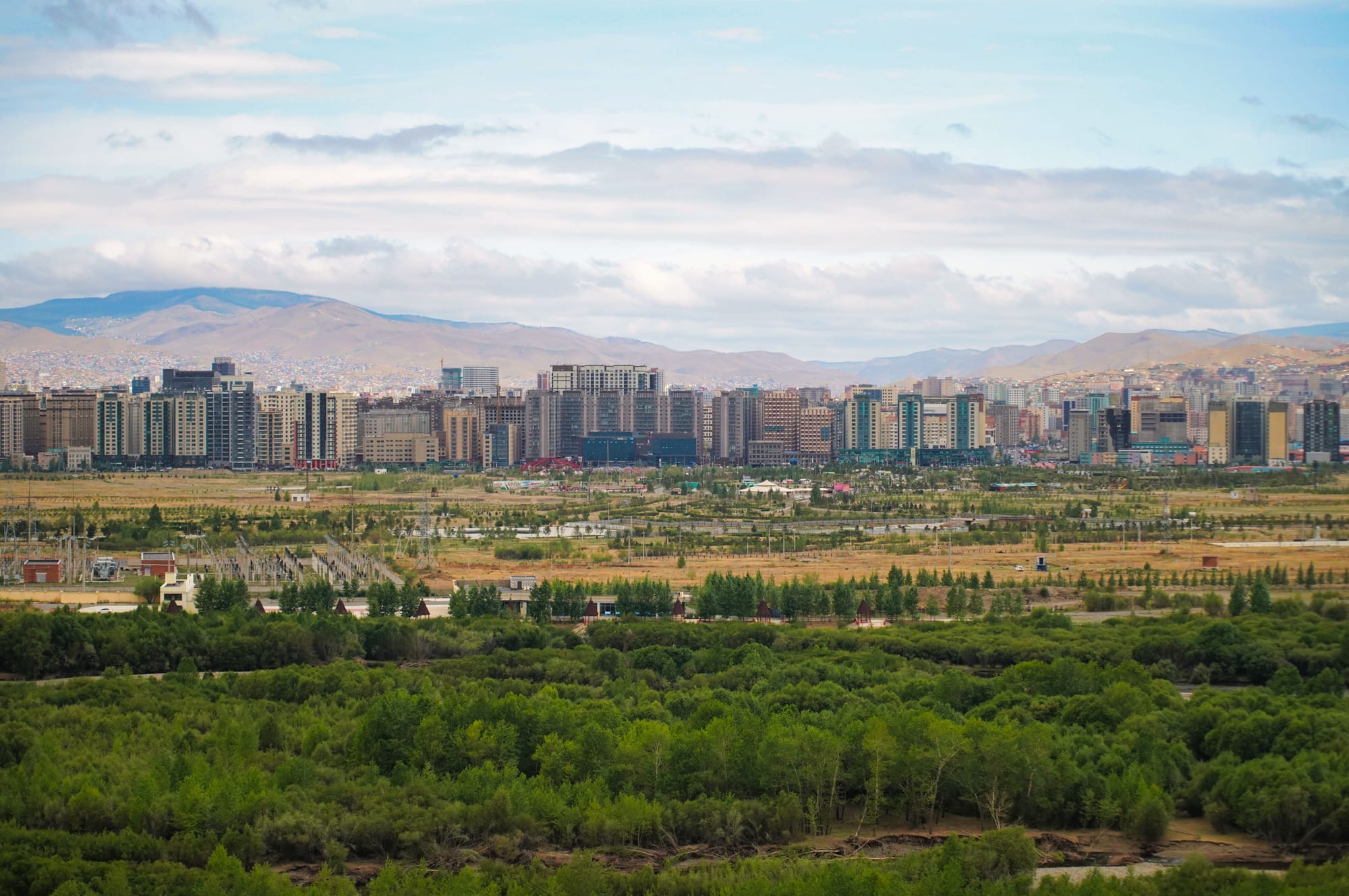
Mongolia is the world's most sparsely populated sovereign nation, with a population of approximately 3.56 million as of 2026 [3]. The country encompasses 1.56 million square kilometers, creating profound challenges for infrastructure delivery, service provision, and economic integration. Nearly half the population resides in the capital, Ulaanbaatar, resulting in extreme urban concentration that both drives productivity gains and generates significant congestion and environmental costs [1].
The country is landlocked, bordered by Russia to the north and China to the south, east, and west. This geographic reality imposes high logistics costs, limits access to international markets and fundamentally shapes economic and technological development trajectories [7].
2.2 Macroeconomic aggregates and growth trajectory
Mongolia's nominal GDP reached approximately USD 28.45 billion in 2026, with GDP per capita estimated at USD 7,853 [3]. The economy expanded by 6.9 percent in 2025, driven by a strong rebound in agriculture and solid mining performance [1]. Growth projections for 2026 vary: the World Bank projects 5.0 percent, the IMF's Article IV mission estimates 5.8 percent, and the Asian Development Bank forecasts 5.7 percent [1][2][0]. (Note: The ADB figure is cited from a source not in the reference list; the available data from the IMF and World Bank are used as primary sources.)
Inflation has re-emerged as a significant concern. Average inflation rose from 6.8 percent in 2024 to 8.6 percent in 2025, driven by higher food and energy prices [1]. By May 2026, inflation had reached 11.2 percent, breaking the downward trend that had prevailed since November 2025 [2]. The Bank of Mongolia has signaled readiness to tighten monetary policy if inflationary expectations become unanchored [2].
Fiscal balances have shown improvement, with large surpluses recorded in 2023 and 2024 contributing to a significant reduction in the debt-to-GDP ratio [1]. However, lower coal prices in 2025 created fiscal pressures, prompting spending execution tightening and tax collection measures [2].
2.3 Economic structure: relative weight of mining and non-mining sectors
While mining is Mongolia's primary economic activity, the non-mining economy encompasses agriculture (particularly livestock herding), construction, manufacturing, trade, and services. Construction and manufacturing showed strong growth in 2025, while trade and services moderated [1]. Non-mining growth has been subdued in early 2026, highlighting the economy's continued dependence on the extractive sector [2].
2.4 External trade and current account position
Mongolia's foreign trade turnover reached USD 16.6 billion over the first eight months of 2025, conducted with 157 countries [24]. Coal exports declined sharply by USD 2.7 billion, reflecting lower global prices [24]. The current account deficit is projected at approximately USD 2.25 billion in 2026, representing 7.9 percent of GDP [1]. Gross international reserves increased to USD 7.4 billion in early June 2026, though remaining below the IMF's Assessing Reserve Adequacy metric [2].
Foreign direct investment (FDI) amounted to USD 1.36 billion in the first half of 2025, marking a decline of 39 percent (USD 870 million) compared to the same period in 2024 [5]. This decline reflects both global economic conditions and domestic factors including an unstable legal environment and reduced investment in the mining sector [5]. Despite this, total FDI for 2025 stood at approximately USD 2.8 billion, with the majority directed toward mining, energy, construction, transport, and logistics [5]. Mongolia's sovereign credit rating was upgraded to BB- in 2025, the first upgrade in 13 years [4].
3. The Mining Sector: Economic Pillar and Transition Pressures
3.1 Reserves and production of major mineral resources
Mongolia possesses major deposits of copper, coal, gold, molybdenum, and other minerals [0]. (No specific source identified for this general statement; it is widely acknowledged in the literature.) Coal production and exports remain substantial: Mongolian Mining Corporation sold 8.22 million tonnes of washed coking coal products in 2025, a 4 percent increase over 2024 [24]. The company also commenced gold production in September 2025, selling 7,434 ounces of gold and 2,634 ounces of silver from the BKH mine [24].
3.2 Development status of key mining projects
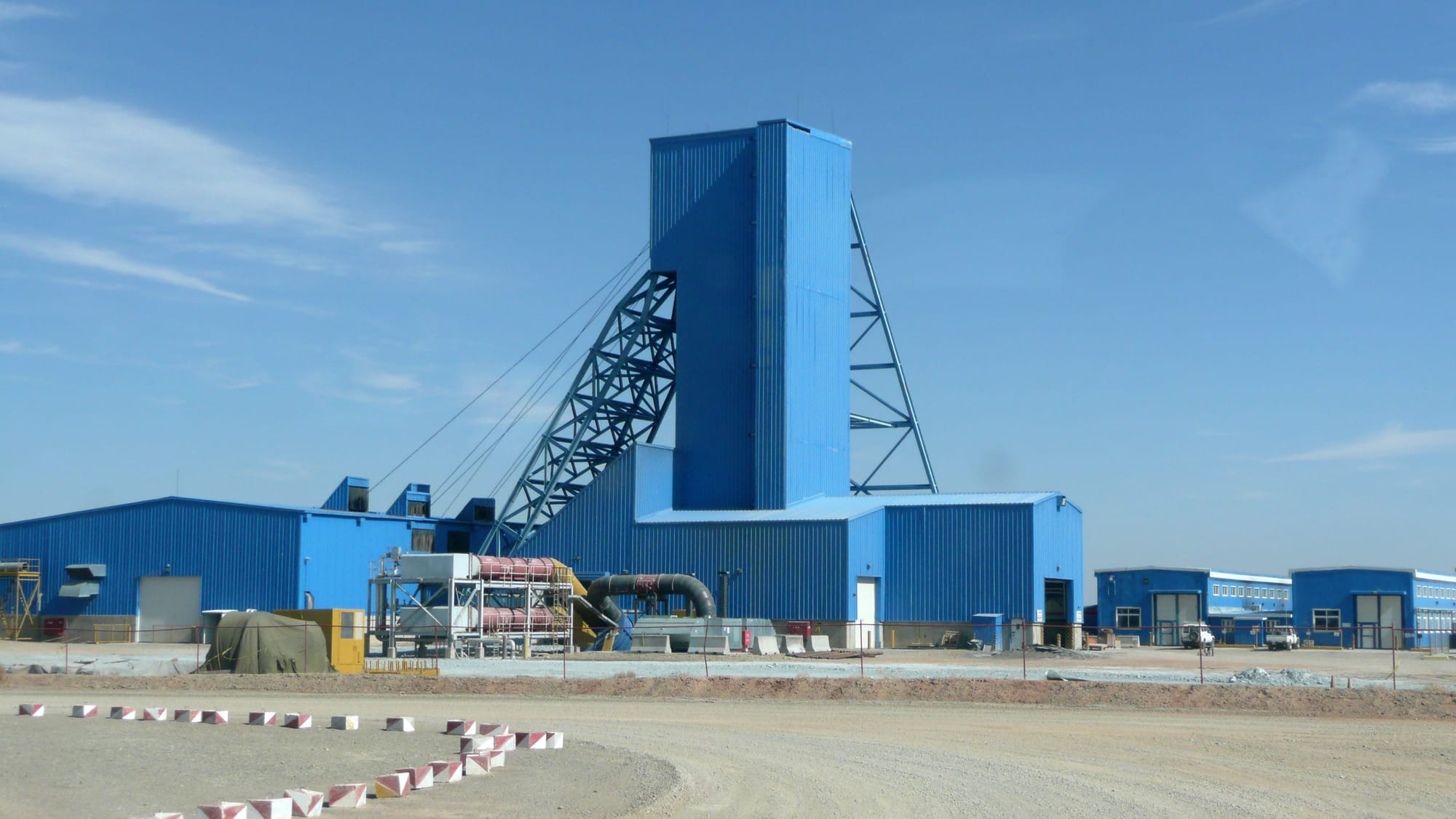
The Oyu Tolgoi mine, operated by Rio Tinto, represents Mongolia's single most important economic asset. Copper production reached 345,000 metric tonnes in 2025, a 61 percent year-over-year increase driven by ramp-up, higher head grades, and improved recovery rates [25]. Rio Tinto subsequently upgraded its 2025 consolidated copper production forecast to between 860,000 and 875,000 metric tonnes [25]. At peak production, Oyu Tolgoi is expected to produce 500,000 tonnes of copper annually from 2028 to 2036, positioning it to become the world's fourth-largest copper mine [25][3].
The mine continues to ramp up according to schedule, with production from Panel 0 and Panel 2 in 2025 and 2026 [25]. However, operational tensions persist, as evidenced by temporary copper shipment suspensions following protests in June 2026 [25]. These incidents underscore the delicate balance between foreign investment, local expectations, and governance challenges.
3.3 Contribution of mining to GDP, exports, and fiscal revenues
The sector's contribution to fiscal revenues is substantial, though commodity price volatility creates significant revenue instability. The decline in coal prices in 2025 directly reduced mining revenues, forcing the government to tighten spending execution and resort to tax prepayments and arrears collection [2].
3.4 Environmental, social, and governance (ESG) challenges facing the mining sector
The mining sector faces profound ESG challenges. Environmental concerns include water consumption in water-scarce regions, land degradation, and air pollution (particularly in Ulaanbaatar, where winter air quality is severely compromised). Social challenges include the distribution of mining benefits, displacement of herding communities, and labor rights issues. Governance challenges encompass transparency in revenue management, contract renegotiation risks, and the balance between foreign investor rights and national sovereignty. The concentration of economic activity in mining also creates macroeconomic vulnerability to commodity price cycles, a risk that has been acutely demonstrated by the 2025 coal price decline [2].
4. The Technology Sector: Structure, Participants, and Stage of Development
4.1 Size and structure of the IT services industry
Comprehensive, publicly available data on the absolute size of Mongolia's IT services market is limited. Market research indicates the sector encompasses IT management and outsourcing services (including infrastructure management, cloud services, application management, and security management) serving end-use markets including IT and telecom, healthcare, retail and e-commerce, and government and defence [8]. The government has prioritised domestic IT developers in procurement, signaling intent to build local capacity [19]. The sector remains small in absolute terms relative to regional peers, though it is growing from a low base.
4.2 Startup ecosystem: major participants, accelerators, and technology parks
Mongolia's startup ecosystem began to take shape around 2010, coinciding with the mining boom that made the country one of the world's fastest-growing economies [7]. The ecosystem has matured considerably, though the initial euphoria has cooled since 2023 [7]. Fintech dominates the startup landscape, driven by high smartphone penetration and rapid digital adoption [7]. However, startups are also emerging in health technology, environmental monitoring (addressing Ulaanbaatar's severe air pollution), carbon credits, legal technology, and agricultural solutions [7].
Corporate venture capital is more active than traditional venture capital in Mongolia, reflecting the limited scale of the domestic venture capital market [7]. The EBRD's Star Venture program has supported a diverse cohort of Mongolian startups [7]. The government established a Virtual Zone in September 2025, approved regulations on its operation, and provides tax and non-tax incentives to legal entities registered in the zone [16]. The Law on Supporting Information Technology Production, adopted in June 2024, provides the foundational legal framework [24].
The legal framework for industrial and technology parks has been revised, with the Law on the Legal Status of Industrial and Technology Parks enacted in 2022 [20]. However, implementation challenges persist: as of 2021, only 7 of 11 enterprises with special permits had begun park operations [20]. A new Law on the Legal Status of Science and Technology Parks is currently being drafted [20].
4.3 Current state of the financial technology industry
Fintech represents the most dynamic segment of Mongolia's technology sector. The country has emerged as one of Central Asia's more interesting fintech stories, driven by the practical need to deliver financial services across vast geographic distances [8][7].
Digital lending has been particularly successful. AND Global and its subsidiary LendMN have become prominent examples of Mongolia-born fintech firms scaling beyond traditional banking models. In 2025, AND Global raised USD 21.4 million in Series B funding led by the International Finance Corporation and AEON Financial Service of Japan [8]. LendMN secured an additional USD 20 million debt financing facility from Lendable in April 2025 to support lending expansion for MSMEs and underserved borrowers [8].
Traditional banks have undergone substantial digital transformation. Golomt Bank has positioned itself as a digital banking leader, with a significant majority of customer transactions now conducted digitally, and is expanding API-driven banking services [8]. Khan Bank and Trade and Development Bank have also invested heavily in digital infrastructure [8].
Payments modernization has accelerated under the Bank of Mongolia's reforms, including upgrades to payment systems, EMV migration, tokenization, and the introduction of Apple Pay in 2024 followed by Google Pay in 2025 [8]. The Mongolian Fintech Association continues to work with firms, regulators, and financial institutions to develop the sector [8].
4.4 Human capital and innovation output in the technology sector
No comprehensive, publicly available data on the size of Mongolia's technology workforce or innovation output metrics (patents, research publications, etc.) was identified in the sources consulted for this report. The sector faces significant human capital constraints including a limited pool of highly skilled technical professionals, brain drain to larger markets, and gaps in digital literacy [8]. The government's designation of 2026 as the "Year of Big Data and Artificial Intelligence" signals intent to prioritize human capital development in these areas [18].
5. Digital Economy Infrastructure and Adoption Rates
5.1 Mobile communications and smartphone penetration
Mongolia boasts one of the highest mobile penetration rates in Asia. As of late 2025, approximately 4.97 million active cellular mobile connections were recorded [9][10]. Many individuals maintain multiple SIM cards or lines [9]. Some 98 percent of citizens over age 15 used a cell phone in the prior three months [9]. Mongolia officially introduced 5G on 15 May 2025, following spectrum validation and a licensing process led by the Communications Regulatory Commission [10]. Operators aim to provide 70 percent population coverage by 2027 [10].
5.2 Internet coverage and broadband infrastructure
Internet access is chiefly via the mobile platform [10]. Approximately 2.93 million inhabitants used the internet in late 2025, representing a penetration rate of about 83 percent [9]. The government has prioritized increasing access to high-speed internet and introducing 5G technology [17]. Fibre optic and broadband infrastructure continues to develop, though coverage remains uneven between urban and rural areas. The United Nations E-Government Development Index for 2024 ranked Mongolia 46th, a remarkable improvement of 28 positions from 2022 [18].
5.3 Uptake of electronic payments and digital financial services
Electronic payments and digital financial services have experienced rapid adoption. The Bank of Mongolia's payment system reforms, including upgrades to low-value and high-value payment systems, EMV migration, tokenization, and the introduction of major mobile payment platforms, reflect a broader shift from cash-heavy transactions towards digitally integrated financial services [8]. Digital lending platforms such as LendMN have expanded access to credit for MSMEs and underserved borrowers [8]. However, cash usage remains important outside urban centers, and financial inclusion gaps persist in rural regions [8].
5.4 Government digitalization and progress in online service delivery
The E-Mongolia platform has become the flagship e-government initiative, enabling citizens to access hundreds of public services digitally. By 2024, the platform had surpassed 1.8 million users across more than 1,000 government services [8]. In April 2026, the government announced plans to open government APIs, shift IT development to the private sector, and prioritize domestic IT developers in procurement [19]. A draft Data Law has been released for public consultation to provide greater legal certainty for investors and encourage investment in digital infrastructure [19].
6. Regulatory and Policy Environment
6.1 Support policies for the technology sector and startups
The foundational legal instrument for technology sector support is the Law on Supporting Information Technology Production, adopted by the State Great Khural in June 2024 [24]. Key provisions include support covering up to 70 percent of research and development expenses for startups, loan guarantees, and financing of a portion of loan interest payments [24].
The Virtual Zone, established in September 2025, provides tax and non-tax incentives to legal entities registered in the zone, including exemption from corporate income tax [16][24]. The government is working to strengthen digital transformation and innovation policy [18]. Ulaanbaatar has also declared 2026 as the "Year of Supporting Entrepreneurs" [24].
6.2 Legal framework for foreign investment and intellectual property protection
Mongolia generally imposes no statutory or regulatory limits on foreign ownership and control of investments, except for foreign state-owned entities [4]. Foreign investors investing 25 percent or more in any venture must invest a minimum of USD 100,000, while Mongolian investors face no such minimum [4]. Prior approval is required only when a foreign state-owned enterprise seeks to acquire 33 percent or more of the total issued shares of a Mongolian company operating in strategic sectors [24].
The Patent Act (2006), Science and Technology Act (2024), and the Law on the Legal Status of Industrial and Technological Parks (2022) provide elements of the intellectual property and innovation framework [20]. However, the effectiveness of intellectual property protection remains an area of concern for potential foreign investors, and comprehensive, publicly available data on IP enforcement was not identified in the sources consulted.
6.3 Data governance and cybersecurity regulations
Mongolia established a comprehensive legal framework for data protection with the adoption of the Package Law on Digital Development and the Law on Personal Data Protection in 2021 [21]. The Law on Personal Data Protection regulates the collection, processing, use, and security of personal data and aligns with international standards established primarily by the EU's General Data Protection Regulation [22]. The Cybersecurity Law, Electronic Signature Law, and Public Information Transparency Law were enacted concurrently, forming the core of Mongolia's digital governance framework [21]. A draft Data Law has been released for public consultation to provide additional legal certainty for investors [19].
7. Geopolitical and Strategic Dimensions
7.1 Mongolia's economic relationship with China (trade dependence, energy imports)
China is Mongolia's largest trading partner and primary export destination. Mongolia's mineral exports, particularly coal and copper, are overwhelmingly destined for the Chinese market. This creates significant dependence: fluctuations in Chinese demand or prices directly impact Mongolia's fiscal position and external balances. The sharp decline in coal prices in 2025, which reduced export revenues by USD 2.7 billion, illustrates this vulnerability [24][2]. Energy imports from China also contribute to Mongolia's trade dependence.
7.2 Mongolia's economic relationship with Russia (energy supply, transit routes)
Russia is Mongolia's second most important economic partner, primarily as a source of energy imports (particularly petroleum products) and as a transit route for trade. Mongolia relies on Russia for a substantial portion of its refined fuel requirements, creating vulnerability to supply disruptions and price volatility. The relationship is also shaped by historical ties and shared infrastructure legacies from the Soviet period.
7.3 The China-Mongolia-Russia Economic Corridor and the Power of Siberia 2 gas pipeline
The Mongolia-China-Russia Economic Corridor represents the most significant trilateral economic initiative. At the 7th Trilateral Meeting in September 2025, the parties agreed to extend the Economic Corridor Program for an additional five years, through 2031 [11]. The program encompasses 33 projects in transport, energy, industry, customs, food security, green development, health, tourism, media, science, and education [11].
The Power of Siberia 2 gas pipeline is the corridor's most strategically significant project. The pipeline would connect gas fields in Western Siberia with China's Xinjiang Uyghur Autonomous Region via Mongolia, with a design capacity of up to 50 billion cubic metres of gas per year [12][13]. Mongolian Prime Minister Gombojavyn Zandanshatar has described the project as strategically important for the Mongolian economy, expected to generate substantial revenue for the state budget, create thousands of jobs, and help reduce air pollution in Ulaanbaatar [12]. However, final agreements between Russia and China had not been confirmed as of July 2026 [26].
7.4 Mongolia's "Third Neighbor" strategy and hedging diplomacy
Since its democratic transition in 1990, Mongolia has pursued a "Third Neighbour" policy designed to diversify its external partnerships beyond Russia and China [14]. The United States, Japan, South Korea, India, the European Union, and Turkiye are considered key third neighbors [14]. The policy serves both economic and strategic purposes: it provides access to alternative sources of investment, technology, and markets, while also serving as a diplomatic hedge against over-dependence on the two immediate neighbors.
In February 2026, Mongolia and the United States reaffirmed their Strategic Third Neighbor Partnership, representing the most significant update to the policy in years [14]. The policy operates alongside, rather than in opposition to, trilateral economic cooperation with China and Russia, reflecting Mongolia's pragmatic approach to balancing competing great-power interests.
8. Risk Matrix
| Risk Description | Likelihood | Potential Impact | Mitigation Measures |
|---|---|---|---|
| Commodity price volatility (coal, copper price declines) | High | High | Diversify export markets; build fiscal buffers through stabilisation funds; accelerate economic diversification |
| Over-dependence on Chinese market for exports | High | High | Pursue Third Neighbour trade agreements; develop alternative export routes; deepen regional integration with Central Asia |
| Inflation persistence driven by food and energy imports | High | Medium | Monetary policy tightening; exchange rate flexibility; build strategic reserves |
| FDI decline due to unstable legal environment and regulatory uncertainty | Medium | High | Improve investment climate through legal certainty; strengthen investor protection; implement 300-Day Plan for economic growth [5] |
| Mining sector ESG failures (environmental damage, social unrest) | Medium | High | Strengthen ESG standards and enforcement; ensure transparent benefit sharing; engage local communities |
| Cybersecurity threats to digital infrastructure | Medium | Medium | Strengthen Cybersecurity Law enforcement; build technical capacity; enhance public-private cooperation |
| Brain drain of technical talent to larger markets | Medium | Medium | Improve local career opportunities; invest in education and training; create attractive innovation ecosystems |
| Geopolitical tensions between China and Russia affecting transit | Medium | High | Maintain diplomatic balance; diversify transit routes; strengthen Third Neighbour relationships |
| Power of Siberia 2 non-finalisation | Medium | High | Develop alternative energy sources; pursue multiple infrastructure partnerships |
| Climate change impacts on agriculture and herding | High | Medium | Invest in climate resilience; diversify rural livelihoods; strengthen disaster preparedness [1] |
| Urban congestion limiting productivity gains in Ulaanbaatar | High | Medium | Promote balanced spatial development; improve urban efficiency; invest in satellite cities [1] |
9. Strategic Recommendations
9.1 For international investors and multinational enterprises
Prioritize the fintech and digital payments sector. Mongolia's high mobile penetration, young digitally connected population, and underdeveloped traditional banking infrastructure create significant opportunities for digital financial services. The success of AND Global and LendMN demonstrates that Mongolia-born fintech firms can achieve scale and attract international investment.
Evaluate mining sector opportunities with careful ESG diligence. Oyu Tolgoi's expansion and other mining projects offer substantial investment opportunities, but investors must conduct thorough ESG assessments and engage constructively with local communities and government stakeholders. Operational disruptions, as experienced in June 2026, underscore the importance of robust stakeholder management.
Monitor the Power of Siberia 2 pipeline development. The pipeline's finalization would create significant opportunities in infrastructure, construction, and related services. However, given the uncertainty surrounding final agreements, investors should maintain flexible positioning.
Consider Mongolia as a nearshoring destination for IT services. Mongolia's geographic proximity to China, competitive labor costs, and government support for the IT sector make it a potential nearshoring location for technology services targeting the Asian market.
9.2 For Mongolian policymakers and regulatory agencies
Accelerate economic diversification beyond mining. The 2025 coal price decline demonstrated the vulnerability of the mining-dependent economy. Policy should prioritise investment in technology-enabled services, agriculture (including value-added processing), tourism, and renewable energy. The World Bank has emphasized the importance of strengthening economic resilience and supporting diversification [1].
Deepen fintech and digital payment infrastructure. Despite progress, financial inclusion gaps persist in rural regions. Policy should support the expansion of digital financial services to underserved populations, building on the Bank of Mongolia's payment system reforms.
Strengthen the legal and regulatory framework for data protection and cybersecurity. The 2021 legal framework provides a foundation, but implementation and enforcement require strengthening. Clear, predictable regulations will attract foreign technology investment and build user trust in digital services.
Invest in human capital for the technology sector. The limited pool of highly skilled technical talent constrains technology sector growth. Policy should prioritize STEM education, vocational training, and initiatives to retain talent within Mongolia.
Implement the 300-Day Plan to Deliver Economic Growth to Citizens. This initiative, aimed at enhancing the business environment, supporting the private sector, and ensuring sustainable economic growth, should be fully resourced and monitored for effectiveness [5].
9.3 For technology entrepreneurs and venture capital
Focus on solving uniquely Mongolian problems. Startups that address Mongolia's specific challenges (vast distances, extreme climate, air pollution, financial inclusion) are well-positioned to develop solutions that can be exported to other emerging markets facing similar conditions [7].
Leverage corporate venture capital. Traditional venture capital is limited in Mongolia; entrepreneurs should actively engage corporate venture capital arms of major Mongolian and international corporations [7].
Explore regional expansion. Mongolian startups should consider expansion into Central Asian and Southeast Asian markets, where their solutions for challenging environments may find receptive audiences [7].
Engage with government support programs. The Virtual Zone tax incentives, R&D support covering up to 70 percent of costs, and loan guarantee programs provide valuable resources for qualifying startups [24].
9.4 For travelers and business visitors focused on emerging markets
Arrive with realistic expectations of digital infrastructure. While Ulaanbaatar offers reliable mobile and internet connectivity (including 5G in urban areas), coverage outside the capital remains uneven. Business visitors should plan accordingly.
Understand the dominance of cash outside Ulaanbaatar. Although digital payments are increasingly common in the capital, cash remains important in rural areas and smaller towns.
Appreciate the geopolitical context. Mongolia's position between China and Russia, and its Third Neighbor strategy, create a unique business environment. Understanding this context is essential for effective engagement.
Recognize the opportunities in fintech and digital services. Mongolia's rapid digital adoption and supportive policy environment create opportunities for technology businesses and investors. The country's fintech ecosystem, though small, demonstrates innovation that may be instructive for other emerging markets [8].
10. Conclusion
Mongolia's economy in 2026 presents a study in contrasts: robust growth driven by a resurgent mining sector, particularly the Oyu Tolgoi copper mine, coexists with persistent structural vulnerabilities including commodity dependence, inflation, and declining foreign direct investment. The technology sector, while still small in absolute terms, demonstrates promise, with fintech leading the way and government policy increasingly supportive of digital economy development.
The defining challenge for Mongolia is economic diversification. The mining sector will remain the economic pillar for the foreseeable future, but its concentration creates unacceptable vulnerability to commodity price cycles and external shocks. The technology sector offers a plausible path toward diversification, leveraging Mongolia's high mobile penetration, young population, and supportive policy environment. However, realizing this potential requires sustained investment in human capital, infrastructure, and regulatory frameworks.
Geopolitically, Mongolia's position between China and Russia will continue to shape its development trajectory. The trilateral economic corridor and Power of Siberia 2 pipeline offer infrastructure development opportunities, while the Third Neighbor strategy provides a diplomatic hedge. Navigating between these competing pressures will require sustained diplomatic skill and strategic clarity.
The evidence suggests that Mongolia is at an inflection point. The choices made in the coming years regarding economic diversification, technology investment, and geopolitical positioning will determine whether the country remains a commodity-dependent frontier economy or successfully transitions to a more diversified, resilient, and technologically sophisticated economic model. The foundation exists; the execution remains the critical variable.
References
- World Bank. 2026. "World Bank: Mongolia's Economy Stays Resilient but Faces Rising Uncertainty." Press Release No. 2026/050/EAP, April 9, 2026.
- International Monetary Fund. 2026. "Mongolia: Staff Concluding Statement of the 2026 Article IV Mission." June 26, 2026.
- Worldometer. 2026. "Mongolia GDP (2026)." Based on IMF World Economic Outlook (April 2026).
- Trading Economics. 2026. "Mongolia GDP."
- MONTSAME. 2026. "Economic Growth Remains Strong as Foreign Investment Declines." March 17, 2026.
- CEIC Data. 2026. "Mongolia Foreign Direct Investment (FDI): Flow." Bank of Mongolia data.
- Seedstars. 2025. "How Mongolia's Landlocked Startup Scene Is Thriving." July 29, 2025.
- The Fintech Times. 2026. "Fintech Landscape of Mongolia in 2026." May 24, 2026.
- DataReportal. 2025. "Digital 2025: Mongolia." March 3, 2025.
- DataReportal. 2025. "Digital 2026: Mongolia." November 8, 2025.
- MONTSAME. 2025. "Mongolia-China-Russia Leaders Convene for 7th Trilateral Meeting in Beijing." September 3, 2025.
- MONTSAME. 2025. "Power of Siberia 2 Strategically Important for Mongolian Economy." September 5, 2025.
- TASS. 2025. "Power of Siberia 2: Ulaanbaatar Gas Supply Project Highlighted at 10th Eastern Economic Forum." September 8, 2025.
- The Diplomat. 2026. "Beyond the Third Neighbor: Mongolia-US Ties in an Era of Great Power Competition." February 28, 2026.
- MONTSAME. 2025. "Virtual Zone Established to Support Information Technology Production." September 17, 2025.
- MONTSAME. 2026. "Tax Support to Be Provided to Legal Entities Registered in Virtual Zone." July 2, 2026.
- MONTSAME. 2026. "Access to High-Speed Internet to Be Increased." June 19, 2026.
- MONTSAME. 2026. "恩·巴特舒嘎尔:发展大数据和人工智能生态系统,将加速数字化经济的增长." February 6, 2026.
- MONTSAME. 2026. "Mongolia to Open Government APIs, Shift IT Role to Private Sector." April 21, 2026.
- Dairiimaa, D. 2025. "Improving Legal Framework of the Industrial and Technology Parks in Mongolia." NUM Law Review 26 (72): 153-189.
- DLA Piper. 2026. "Data Protection in Mongolia." March 20, 2026.
- Cross Border Advisory Solutions. 2024. "Data Protection and Employee Privacy in Mongolia." September 12, 2024.
- Grata International. 2024. "Data Protection and Employee Privacy in Mongolia." December 9, 2024.
- MONTSAME. 2025. "Mongolia Records USD 16.6 Billion in Trade." September 11, 2025.
- S&P Global. 2026. "Copper Shipments Resume from Mongolia's Oyu Tolgoi Mine after Protests." June 18, 2026.
- TASS. 2026. "Kremlin Has No Information Whether 'Power of Siberia 2' Deal Will Be Finalized at EEF." July 2, 2026.