Can Ethanol Fuel-Cell Vehicles Be Carbon-Negative? Yes in Principle, Roughly 20–40 g CO2e/MJ, But Only Heavy-Duty and Marine Duty Justifies Onboard Capture
Yes, in heavy-duty and marine use: onboard capture nets roughly 20–40 g CO2e/MJ. For fleets, no system or CO2 offloading exists yet.

Carbon-Negative Liquid-Fuel Electric Vehicles: Integrating Cellulosic Bioethanol, Direct-Ethanol or Reformed-Ethanol Fuel Cells, Electric Propulsion and Onboard CO₂ Separation and Storage
1. Summary
The concept is physically sound but has not been demonstrated as an integrated system. A vehicle would run on ethanol made from lignocellulosic biomass, convert it to electricity on board with a fuel cell, separate and store the CO₂ it produces, offload that CO₂ at refuelling and send it to permanent geological storage. As the fuel's carbon came from the atmosphere through photosynthesis, capturing and storing it would make the vehicle a carbon-removal device rather than merely a low-carbon one. The chemistry and thermodynamics permit this; the engineering, supply chain and accounting have not been shown to close.
First, mass and volume are manageable but not trivial. Complete oxidation of ethanol yields 1.91 kg of CO₂ per kg of fuel; at a lower heating value of about 27 MJ/kg, that is roughly 71 kg of CO₂ per GJ of fuel, occupying about 67 to 79 L as dense supercritical or refrigerated liquid CO₂ against about 47 L for the fuel itself [1][2][3].
Second, only the reformed-ethanol solid oxide fuel cell (SOFC) pathway is a credible host for capture. Direct-ethanol fuel cells on platinum or palladium catalysts cleave the C-C bond in fewer than 7.5% of cases, so most of the fuel's electrons are wasted and most of its carbon leaves as liquid acetaldehyde and acetic acid rather than capturable CO₂ [4].
Third, the supply link is fragile. The first-generation commercial cellulosic ethanol plants in the United States and Europe have all closed, been sold for other uses or stopped commercial production [5][6][7][8]. Raízen in Brazil is the only producer identified as operating at industrial scale, and it reported a 2025/26 crop-year net loss of R$27.1 billion, including a R$22.5 billion impairment, while undergoing an out-of-court restructuring backed by a capital injection from Shell [9][10].
Fourth, onboard capture adds removal that plant-level capture cannot reach. Fermentation releases only about one-third of the carbon tied to the fuel, roughly 35 g CO₂ per MJ, while use of the fuel releases about 71 g [11]. The illustrative accounting in this report, which assumes permanent storage and no land-use change, suggests net removal of roughly 20 to 40 g CO₂e per MJ with onboard capture alone, rising to roughly 55 to 75 g with plant capture added. No life-cycle study of the integrated system was found.
Fifth, simpler counterfactuals dominate wherever batteries work. The Northwestern University analysis that set out the concept puts renewables-to-wheels efficiency at about 44% for a carbon-capture fuel-cell vehicle against about 77% for a battery-electric vehicle [12], and fermentation-CO₂ capture with geological storage has operated at commercial scale in Illinois since 2017 [13][14]. The concept earns its complexity only in heavy-duty, marine or off-grid duty where batteries and hydrogen fail on energy density.
2. Background
2.1 Closed-carbon versus net-negative
A closed-carbon cycle returns to the atmosphere exactly the carbon that the biomass removed. At best it is net-zero at the tailpipe, and it becomes net-positive once supply-chain emissions are counted. A net-negative cycle durably removes more carbon than the whole life cycle emits. Conventional bioethanol vehicles aim at the first; this concept aims at the second, and it reaches it only if biogenic carbon is captured and stored permanently after cultivation, fertilizer-derived nitrous oxide, land-use change, conversion energy, CO₂ handling and leakage have all been charged against it.
2.2 The basic electrochemistry
Complete electro-oxidation of ethanol transfers 12 electrons per molecule and produces two CO₂ molecules, but it requires breaking ethanol's carbon-carbon bond. Partial oxidation to acetic acid, or acetate in alkaline media, delivers only 4 of those 12 electrons [15]. In a reformed pathway, ethanol and steam are first converted over a catalyst into a hydrogen-rich gas, which a fuel cell then oxidizes electrochemically; an SOFC also oxidizes carbon monoxide. As an SOFC conducts oxide ions through a ceramic electrolyte, the fuel side never mixes with atmospheric nitrogen, and the cell can be configured to confine essentially all product CO₂ to the anode exhaust [16].
2.3 The BECCS principle
Bioenergy with carbon capture and storage (BECCS) removes CO₂ because the stored carbon was taken from the atmosphere during plant growth. Ethanol fermentation is the cheapest BECCS entry point because its off-gas is already almost pure CO₂. The US Department of Energy describes the fermentor outlet at Archer Daniels Midland (NYSE:ADM) in Decatur, Illinois, as greater than 99% CO₂ on a moisture-free basis, so capture requires only dehydration and compression before injection [13].
3. Technical Core
3.1 System architecture and concept of operations
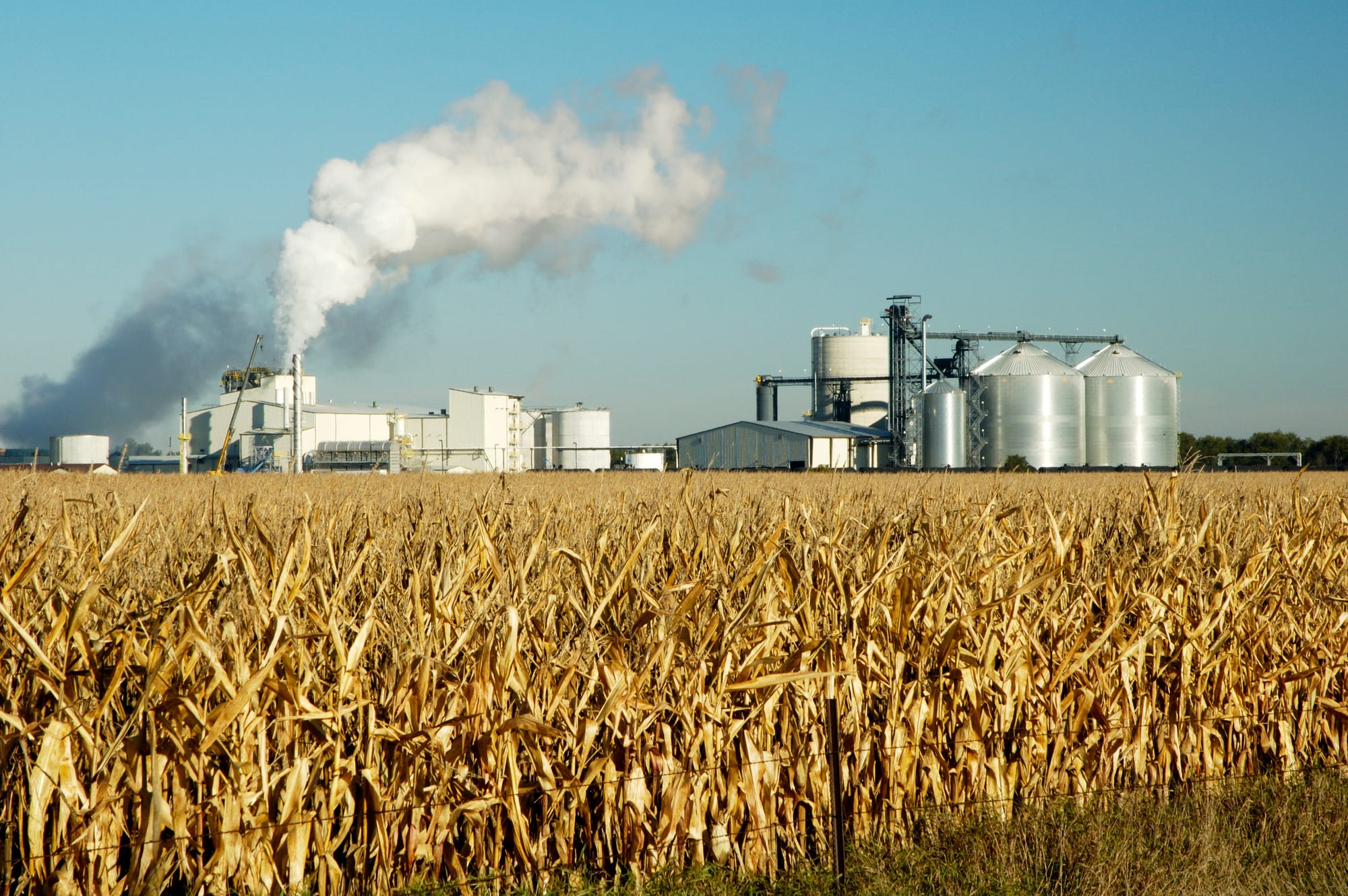
The candidate system has seven elements, each with a distinct job. Feedstock growth is where carbon leaves the atmosphere; corn stover, sugarcane bagasse and cereal straw are the residues used by the plants that have operated. Cellulosic conversion turns that carbon into a dense, storable liquid through pretreatment, enzymatic hydrolysis and fermentation of both glucose and pentose sugars, releasing about one-third of the fuel-associated carbon as fermentation CO₂, while lignin and residues are typically burned for process heat. Onboard conversion turns ethanol into electricity; in the credible architecture, ethanol and water feed a steam reformer coupled to an SOFC, the arrangement Nissan Motor (TYO:7201) used in its 2016 e-Bio Fuel-Cell prototype [17]. Electric propulsion delivers the wheel work with a buffer battery; the Nissan prototype paired a 5 kW SOFC with a 24 kWh battery [17]. Onboard separation takes the anode exhaust, a stream of CO₂ and water with residual hydrogen and carbon monoxide, completes oxidation without nitrogen, condenses the water and compresses or liquefies the CO₂ into storage. Offloading transfers the CO₂ to station storage at refuelling, and transport and sequestration move it to a geological reservoir.
End to end, the system would deliver electric-drive performance with liquid-fuel range and refuelling time while exporting a dense CO₂ stream for storage. No single component is exotic; the difficulty sits at three interfaces. The first is thermal coupling inside the vehicle: an SOFC running at several hundred degrees Celsius must share heat with an endothermic reformer and a CO₂ compressor or chiller, start from cold and follow load, each of which is solved separately in stationary plants but not together in a vehicle package. The second is the CO₂ hand-off at the station, which requires a new bidirectional fuelling protocol, station-side compression or liquid storage, and metering accurate enough for carbon-removal accounting. The third is the link between the vehicle fleet and the sequestration network: a diffuse fleet must feed a pipeline or trucking system that, in the US Midwest, has proven politically difficult to build even for large point sources.
3.2 Carbon and mass arithmetic
The stoichiometry is fixed: one molecule of ethanol plus three of oxygen yields two of CO₂ and three of water, so 88.02 g of CO₂ forms per 46.07 g of ethanol, or 1.91 kg of CO₂ per kg of fuel. The US Department of Energy's Alternative Fuels Data Center lists ethanol's lower heating value as 76,330 Btu per gallon, about 21.3 MJ/L, which at a density of 0.789 kg/L is about 27 MJ/kg; Engineering ToolBox gives 26.7 MJ/kg [1][2]. One GJ of fuel energy therefore requires about 37 kg, or 47 L, of ethanol and produces about 71 kg of CO₂, or about 71 g CO₂ per MJ.
Storage density depends on the state of the CO₂. NIST reference data give 901 kg/m³ at 250 bar and 35 °C and 1,057 kg/m³ at 700 bar and 35 °C, and saturated liquid densities of 1,032 kg/m³ at about −20 °C and 19.7 bar and 1,076 kg/m³ at about −30 °C and 14.3 bar [3]. The CO₂ from one GJ of ethanol therefore occupies about 79 L as supercritical fluid at 250 bar, about 67 L at 700 bar, and about 66 to 69 L as refrigerated liquid. Refrigerated liquid storage at modest pressure is as dense as 700 bar storage, which favours low-pressure liquid tanks with a refrigeration duty over high-pressure gas cylinders.
At about 1.4 to 1.7 times the fuel volume, CO₂ storage more than doubles total tank volume when fuel and CO₂ tanks are separate. Schmauss and Barnett propose a single tank with a movable partition in which CO₂ fills the volume vacated by fuel, and report that for ethanol this cuts storage volume by 38% at 250 bar [12]. Applied to the Nissan prototype's stated 30 L tank [17], this arithmetic implies about 24 kg of ethanol and about 45 kg of CO₂ per full tank, or about 50 L of supercritical CO₂ at 250 bar.
Mass grows as the vehicle drives, the reverse of a conventional vehicle, because the stored product weighs 1.91 times the fuel consumed. As an example, a heavy truck starting with 10 GJ of ethanol (about 370 kg and 470 L) would finish its route carrying about 710 kg of CO₂, a net gain of about 340 kg before tank hardware; no peer-reviewed source was identified for the mass of vehicle-grade CO₂ tanks. Schmauss and Barnett judge the mass increase unlikely to matter for most terrestrial applications, estimating that a GJ-scale tank in a passenger car rises from about 1% to 2% of vehicle mass [12]. For freight vehicles near legal axle limits, payload loss deserves more scrutiny than that judgment implies. Capture from dilute engine exhaust is far less favourable: the first Aramco prototype in 2011 captured only 10% of exhaust CO₂ [18], and an SOFC anode stream does not need the sorbents or solvents that dilute exhaust requires.
The energy penalty can be estimated. Schmauss and Barnett use SOFC fuel-to-electricity efficiencies of 50% to 60% [12], so one GJ of ethanol yields about 139 to 167 kWh of electricity. Typical compression energy for CO₂ lies in the range of 80 to 120 kWh per tonne [19], and Dees and colleagues model 110 kWh per tonne to reach 150 bar [11]. Compressing 71 kg therefore costs about 5.7 to 8.5 kWh, or about 3% to 6% of the SOFC's electrical output, before accounting for the inefficiency of small compressors or the higher pressure of 250 bar storage. Schmauss and Barnett conclude that onboard compression adds little efficiency or cost penalty [12]; the figure derived here is somewhat higher, but the conclusion holds. Compression energy is not the binding constraint, whereas compressor size, mass, noise and durability may be.
3.3 Direct-ethanol fuel cells
The direct-ethanol fuel cell (DEFC) is the simplest architecture on paper: liquid ethanol in, electricity and CO₂ out, at under 100 °C. In practice the C-C bond defeats it. A 2024 review reports that, because C-C cleavage carries an activation energy of 87.3 kcal/mol, selectivity toward the complete C1 pathway on state-of-the-art platinum or palladium catalysts is below 7.5% [4]. In alkaline media on palladium, ethanol is converted predominantly to acetate through the 4-electron pathway [15].
Incomplete oxidation damages the concept in two ways. On energy, a cell that stops at acetic acid recovers at most 4 of 12 available electrons, a third of the fuel's charge, before any voltage losses [15]. On capture, the unoxidized carbon leaves as dissolved acetaldehyde, which is volatile and toxic, and as acetic acid or acetate in the liquid anode effluent rather than as gaseous CO₂; in alkaline cells even the CO₂ that does form is held as carbonate in the electrolyte. A DEFC vehicle would therefore have to store spent liquid effluent rather than compressed gas, and that effluent's carbon would need further processing before durable storage.
Power density is also limiting. The state-of-the-art acid DEFC reached a peak of 96 mW/cm² at 90 °C despite expensive platinum catalysts, and alkaline designs perform better [20]. The highest figure identified, 360 mW/cm² at 60 °C, came from an alkaline-acid cell that uses hydrogen peroxide rather than air as the oxidant [21], an arrangement unsuited to vehicles. Catalyst research continues through alloying, core-shell structures and interface engineering [4], but the available evidence suggests the selectivity barrier is fundamental rather than incremental.
 John D
3.4 Reformed-ethanol pathways
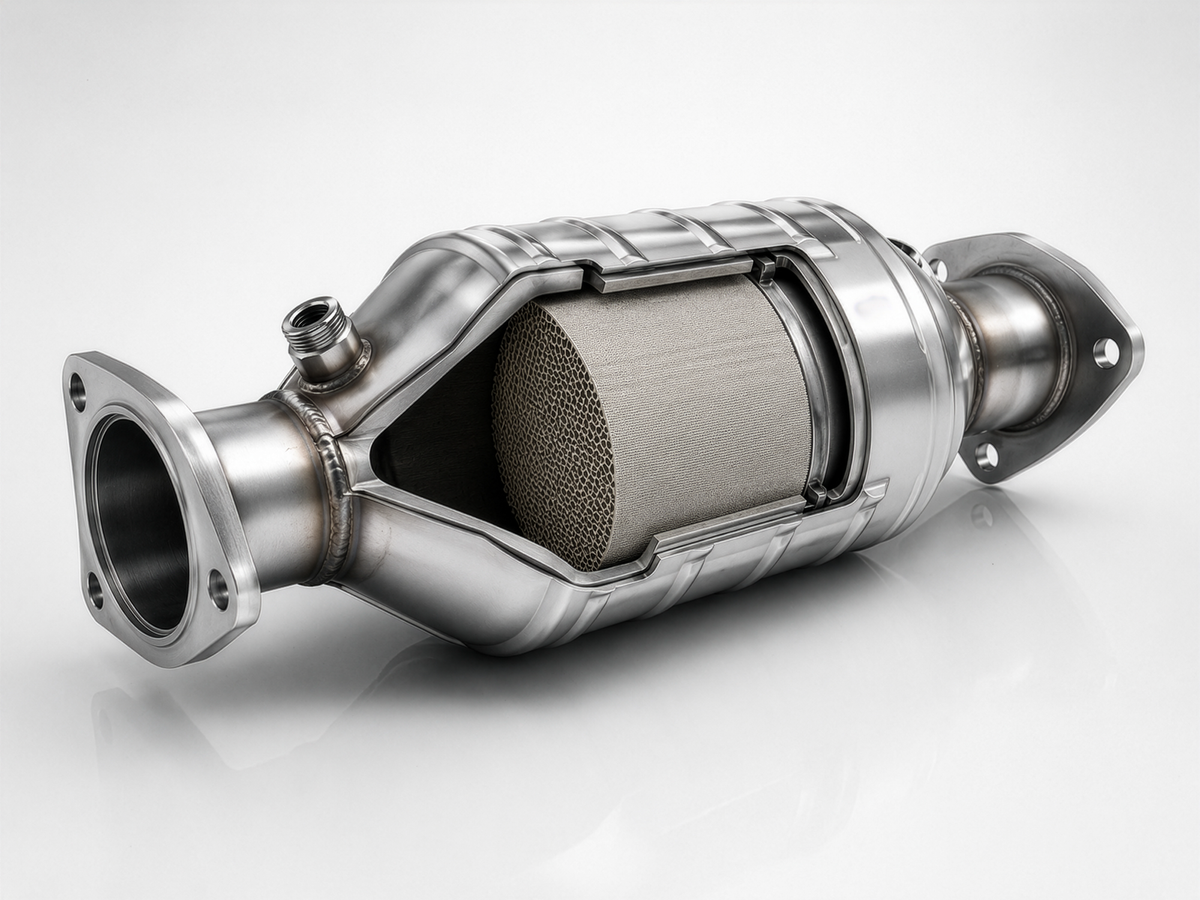
Onboard steam reforming avoids the C-C problem by breaking the bond thermally over a catalyst. A PEM fuel cell can follow the reformer, but only after water-gas shift and carbon monoxide clean-up, and the CO₂ then sits diluted in reformate and burner exhaust. An SOFC can take the reformate, or partially reformed ethanol, directly because it tolerates and oxidizes carbon monoxide. Nissan claims 70% generating efficiency for its stationary bioethanol SOFC against 60% for polymer electrolyte cells [22]; that is a company claim without independent validation, and Schmauss and Barnett use a more conservative 50% to 60% [12].
The systems advantage is decisive. Because oxide ions cross the electrolyte and nitrogen does not, the SOFC anode exhaust contains only CO₂, water and unconverted hydrogen and carbon monoxide [16]. Schmauss and Barnett note that combusting the fuel in air would instead dilute the CO₂ with nitrogen and require tank volumes up to ten times those of the CO₂ alone [12]. The US Department of Energy's SOFC programme identifies the same property as the basis for carbon capture in stationary SOFC power systems [16]. These results are modelled; none is a measured mobile system.
The constraints are thermal. SOFCs operate at high temperature, need long and gentle heat-up, and degrade under repeated thermal cycling and redox exposure of nickel anodes. Nissan states that it is developing metal-supported cells to improve cell strength [22]; that is a stated direction, not a published durability result. Alcohol feeds also carry coking and sulfur-poisoning risks. The reformed-ethanol SOFC is nonetheless clearly the more credible host for onboard capture, for three reasons: it oxidizes all fuel carbon to CO₂, it delivers that CO₂ undiluted by nitrogen, and its waste heat can drive reforming and CO₂ conditioning. Its weaknesses, start-up time and cycling durability, point it toward continuous duty cycles rather than intermittent passenger-car use, with a battery buffering transients.
3.5 Onboard separation and storage
Given an SOFC, separation becomes condensation. The anode exhaust is cooled to drop out water, residual hydrogen and carbon monoxide are oxidized with a small oxygen stream or recirculated to the anode, and the dry CO₂ is compressed or liquefied. Recirculation pushes fuel utilization toward 100% and removes the need for an afterburner. The hardware still to be developed is a compact, light, durable CO₂ compressor or refrigeration unit and a vehicle-certified CO₂ tank or unified fuel-and-CO₂ tank; Schmauss and Barnett identify compact onboard compressors as the key development need [12], and the Northwestern team has a patent-pending dual-chamber tank design [23]. Fugitive leakage of CO₂ from the vehicle, purity specifications for offloaded CO₂ and safety in enclosed spaces remain open engineering questions, and no published standards for them were identified.
 John D
3.6 Net-negative accounting
The system boundary for this analysis runs from cradle to grave. It covers residue collection and nutrient replacement, conversion including process energy, fuel distribution, vehicle operation including capture and compression energy, CO₂ offloading and transport, and injection with monitoring, all per MJ of ethanol delivered. Biogenic CO₂ released to air counts as neutral, following GREET convention, and captured and stored biogenic CO₂ counts as removal.
Life-cycle carbon intensity for cellulosic ethanol before any capture is highly sensitive to assumptions. A comparison of corn stover ethanol across GREET and GHGenius found that default settings gave 2.75 to 47.8 g CO₂e/MJ, narrowing to 40.7 to 42.0 g CO₂e/MJ once inputs were harmonized [24]. An Argonne study of integrated corn and stover plants reports 25 g CO₂e/MJ for stover ethanol under its baseline allocation [25].
The following arithmetic is assuming the 25 to 42 g CO₂e/MJ range above, 90% onboard capture, permanent sequestration with no leakage, no indirect land-use change, and compression energy supplied by the fuel and so already reflected in consumption. On those assumptions, onboard capture of about 64 g CO₂/MJ yields net removal of roughly 22 to 39 g CO₂e per MJ of fuel. Adding plant-level capture of fermentation CO₂, which Dees and colleagues model at about 36 g CO₂/MJ for a corn ethanol plant [11], raises net removal to roughly 55 to 75 g CO₂e/MJ. The same study shows that capturing boiler emissions as well can take corn ethanol below zero, reaching about −26 g CO₂e/MJ only when fermentation and oxyfuel boiler capture are combined with steam drying, renewable electricity and renewable natural gas [11].
The accounting can fail through three routes: higher residue-removal emissions or soil-carbon loss than assumed; nitrous oxide from replacement fertilizer; and CO₂ that is offloaded but used rather than stored, for example in enhanced oil recovery. The third route is a live concern for current US pipeline plans (Section 6).
3.7 The counterfactual test
The decisive question is whether onboard capture removes carbon that plant-level capture cannot. Stoichiometrically, it does. Fermentation releases one CO₂ per ethanol molecule, about 0.96 kg per kg of ethanol, while oxidation in the vehicle releases two, or 1.91 kg. Plant capture alone therefore reaches at most about one-third of the carbon tied to the fuel, and the remaining two-thirds is out of reach unless the fuel is oxidized somewhere it can be captured.
The question then becomes whether that oxidation must happen in the vehicle, and for any duty cycle a battery can serve, the evidence suggests it need not. Biomass carbon can instead be oxidized in a stationary plant with capture, or converted to hydrogen with the carbon captured at the plant, and the energy delivered as electricity or hydrogen, with the advantages of scale, continuous operation and direct pipeline access. Schmauss and Barnett's own figures show the efficiency cost of the liquid-fuel route: about 44% renewables-to-wheels for their carbon-capture fuel-cell vehicle, about 22% for a hydrogen fuel-cell vehicle on biomass-derived hydrogen, and about 77% for a battery-electric vehicle [12]. Their analysis assumes 85% bioethanol production efficiency, which appears optimistic for cellulosic routes; no source verifying that figure for lignocellulose was identified.
The hydrogen route avoids carbon on the vehicle but pays heavily in storage volume and infrastructure. The reformed-methanol route is the nearest competitor. Blue World Technologies has tested a 200 kW high-temperature PEM module running on methanol, with a 1 MW system planned for a vessel operated by A.P. Moller-Maersk in the first half of 2026 [26][27]; the company asserts the system can allow up to 100% carbon capture, without a demonstration of that capability [26]. Methanol reformer and fuel-cell hardware is therefore more mature in marine use than ethanol SOFCs, although a high-temperature PEM system lacks the SOFC's inherent separation of nitrogen from the fuel stream.
The concept earns its complexity only where three conditions hold together: energy demand per refuelling is too large for batteries or compressed hydrogen; duty cycles are long and steady enough to suit an SOFC; and operations return to a hub where CO₂ can be offloaded. Long-haul ships, rail on non-electrified lines, captive heavy-truck fleets and remote off-grid generation fit those conditions.
4. Development Status and Maturity
4.1 Direct-ethanol fuel cells
Demonstration is confined to single cells and small stacks in laboratories, with peak power densities of about 100 mW/cm² in conventional acid configurations and C1 selectivity mostly below 7.5% [4][20]. No vehicle-scale DEFC with CO₂ capture has been reported. Maturity is NASA/DOE technology readiness level (TRL) 3 to 4 for power generation and TRL 2 for capture-compatible operation.
4.2 Ethanol-reformer SOFC vehicles
Nissan unveiled the e-Bio Fuel-Cell prototype in Brazil in August 2016, built on an e-NV200 van with a 5 kW SOFC, a 24 kWh battery, a 30 L ethanol tank and a claimed range of more than 600 km; the company noted that, as a prototype, its specifications were subject to change, and said it would conduct field tests on public roads in Brazil [17]. The prototype did not capture CO₂. In March 2024 Nissan announced trials of a stationary SOFC fuelled by sorghum bioethanol at its Tochigi plant, aimed at full-scale operation from 2030, describing the work as an application of its vehicular SOFC experience to stationary power [22]. No Nissan statement ending the vehicle programme was found, but the public record points to a pivot of SOFC effort toward stationary generation. Vehicle ethanol-SOFC maturity is therefore TRL 5 to 6 as of 2016 and apparently dormant since.
4.3 Mobile carbon capture on combustion vehicles
Saudi Aramco has reported a programme of increasing scale. Its first system, integrated into a pickup truck in 2011, captured 10% of tailpipe CO₂, and a later Class 8 heavy-duty truck system captured about 40% [18]; a 2022 prototype on a long-haul truck with a 13-litre engine captured up to 42%, and Aramco licensed the technology to Daphne Technology for marine use the same year [28]. All figures are company-reported. The work shows that capturing, storing and offloading CO₂ on a moving vehicle is feasible at prototype level (TRL 5 to 6), and Aramco itself identifies safe offloading after capture as an important deployment challenge [18]. It also shows the penalty of capture from nitrogen-diluted exhaust: capture rates of 40% or less, against near-complete capture in principle from an SOFC.
4.4 SOFC systems with integrated CO₂ capture
The literature on SOFC-based capture for mobile applications is modelled rather than measured; it includes the Northwestern concept [12] and stationary system designs within the US Department of Energy SOFC programme [16]. No hardware demonstration of a mobile SOFC with onboard CO₂ capture was identified. Maturity is TRL 2 to 3.
4.5 Cellulosic ethanol plants
The commercial record is mostly one of closures. In the United States, Abengoa's Hugoton, Kansas, plant opened in October 2014, was idled during its parent company's financial collapse and was sold in bankruptcy to Synata Bio in 2016 for $48.5 million against an estimated construction cost of about $400 million [5]. DuPont's plant in Nevada, Iowa, built at a reported $225 million, stopped operating in 2017 [6] and was sold to Verbio, which planned to convert it to renewable natural gas production [29]; DuPont (NYSE:DD) exited cellulosic fuels entirely. POET-DSM's Project Liberty in Emmetsburg, Iowa, with capacity of up to 25 million gallons per year, paused commercial production in November 2019 and shifted to research and development, with the partners blaming EPA management of the Renewable Fuel Standard [7].
In Europe, the sunliquid plant of Clariant (SIX:CLN) at Podari, Romania, was designed to produce about 50,000 tonnes of ethanol per year from 250,000 tonnes of agricultural residues [30]. It began production in the second quarter of 2022 but did not reach its targeted operating parameters, prompting an impairment of about CHF 225 million in December 2022 and closure in December 2023 [8][30].
In Brazil, Raízen started its Bonfim plant in October 2023 with a nameplate capacity of 82 million litres per year, describing it as the world's largest cellulosic ethanol plant [31]. In January 2025 it announced that its original Costa Pinto unit would end recurring operations from April 2025 and become a test facility, while Univalem and Barra were in commissioning [32]. Raízen's results for the 2025/26 crop year report a net loss of R$27.1 billion, net debt of R$58.2 billion at 5.2 times adjusted EBITDA, and an out-of-court restructuring plan that includes a R$3.5 billion capital injection from Shell [9][10]; capital expenditure fell 27.7% to R$8.61 billion [33]. Taken together, cellulosic ethanol is technically proven (TRL 8 to 9) but commercially fragile, and Raízen is the only producer identified operating at industrial scale.
4.6 Plant-level capture and storage
The Illinois Basin Decatur Project injected 999,215 tonnes of fermentation CO₂ from ADM's ethanol plant between November 2011 and November 2014 under extensive monitoring [14]. Its successor, the Illinois Industrial Carbon Capture and Storage project, began injecting in April 2017 with permitted potential to store up to 5.5 million tonnes [34]. In 2024 the US EPA issued ADM a notice of violation after a corroded monitoring well allowed CO₂ to migrate into unauthorized zones, followed by a proposed compliance order; EPA found no indication of a threat to drinking water [35][36]. The episode is a reminder that storage integrity depends on active monitoring. This route is at TRL 9.
4.7 Integrated system
No integrated system has been demonstrated. No vehicle has combined an ethanol fuel cell with onboard CO₂ capture, and no fuelling station offloads CO₂. CO₂ offloading at refuelling remains conceptual (TRL 2), apart from Aramco's prototype-level work on combustion-vehicle capture.
5. Key Programs, Institutions, and Actors
Scott Barnett's group at Northwestern University has set out the most complete concept for SOFC vehicles with onboard capture, including storage-volume analysis across vehicle classes from passenger cars to tanker ships and a patent-pending unified tank [12][23]. Nissan holds the only hardware experience with an ethanol-reformer SOFC vehicle and is now carrying that work into stationary power with metal-supported cells [17][22]. Aramco's Detroit research centre holds the only multi-vehicle record of capture, onboard storage and offloading, and has licensed it into marine use [18][28]. Blue World Technologies, with Maersk as investor and pilot customer, is the most advanced developer of reformed-alcohol fuel cells for heavy marine duty, the nearest adjacent technology [26][27].
On the supply side, Raízen is the operating reference for cellulosic ethanol at scale [31][32], while POET-DSM and Clariant hold the most instructive record of scale-up failure [7][8]. Argonne National Laboratory maintains GREET, the reference framework for US fuel life-cycle accounting [25]. ADM, the Illinois State Geological Survey and the US Department of Energy built the main proof that fermentation CO₂ can be captured, monitored and stored in a saline reservoir [13][14]. Electrocatalysis groups worldwide continue DEFC anode research [4], but none has reported C1 selectivity high enough to change the conclusions above.
6. Path to Realization
The engineering problems still open are, in order of difficulty: SOFC durability under vehicle thermal cycling and start-stop duty; a compact, efficient onboard CO₂ compressor or liquefier and a certified unified tank; full anode-gas utilization or clean oxidation of residual fuel so that the stored stream meets pipeline purity specifications; and bidirectional fuelling hardware with custody-transfer metering. None of these requires a scientific breakthrough, but all require dedicated vehicle-grade development that no organization is known to be funding.
The external dependencies are heavier. Cellulosic ethanol supply at scale depends on Raízen's expansion surviving its financial restructuring and on a second technology lineage proving itself outside Brazil, where the residue logistics of a sugarcane mill are unusually favourable [9][32]. CO₂ transport and storage infrastructure is the second dependency, and it is visibly struggling. Summit Carbon Solutions planned a pipeline of about 2,500 miles serving 57 ethanol plants [37]; South Dakota regulators denied its route permit by a 2-1 vote on 22 April 2025, after the state banned eminent domain for CO₂ pipelines in March [38]. A North Dakota judge later voided its CO₂ storage permits, ruling parts of the enabling state law unconstitutional [39]. By August 2026 Summit had forfeited two of its three North Dakota storage permits, planned instead to send CO₂ to a storage site in Wyoming, and was citing enhanced oil recovery as a likely use [40]. If pipelines for large, steady fermentation sources are this hard to build, collecting CO₂ from vehicles will face at least the same barriers, plus a distributed logistics layer.
Measurement, reporting and verification of removals for a mobile fleet would require per-vehicle metering of offloaded mass and purity, chain-of-custody records, and life-cycle accounting tied to specific feedstock batches. Established methods exist for point-source geological storage, as the Decatur monitoring programme shows [14], but no verification method specific to vehicles was identified.
No credible cost estimate for the integrated vehicle or for CO₂ offloading infrastructure was identified, and none is offered here. Nor is a sourced timeline available. Reasoning forward from current evidence, and assuming a funded programme began now, a captive-fleet or marine demonstration integrating an ethanol SOFC with onboard capture and hub offloading is plausibly a five-to-ten-year undertaking.
7. Regulatory and Crediting Landscape
Policy shapes the outcome because removals without crediting earn no revenue. The US Section 45Q credit pays $85 per tonne for point-source capture with geological storage, and the One Big Beautiful Bill Act, signed on 4 July 2025, created parity so that CO₂ used in enhanced oil recovery or other products now earns the same $85 rate [41][42]. The credit attaches to capture equipment at a qualified facility subject to minimum annual capture thresholds set in statute, 12,500 tonnes for most industrial facilities [43]. A single vehicle captures at most a few tonnes a year. Unless a fleet operator, or the station receiving the CO₂, can be treated as the qualified facility, vehicle-captured CO₂ appears ineligible; no Treasury or IRS guidance on mobile capture was identified.
Parity for enhanced oil recovery also weakens the removal claim, because it rewards sending CO₂ to oil production at the same rate as dedicated storage [41]. Low-carbon fuel standards such as California's credit lower fuel carbon intensity, and plant-level fermentation capture already benefits from them [11], but no pathway recognizing capture at the vehicle was identified. A verifiable crediting route for vehicle-captured biogenic CO₂ is therefore a precondition for realization, not a detail.
8. Material Risks and Failure Modes
Dominance of simpler solutions is the most likely and most consequential risk. Plant-level fermentation capture is already proven at commercial scale [13][34], and battery-electric drive is roughly 1.75 times as efficient from renewables to wheels on the Northwestern figures [12], so most of the carbon benefit is available without the vehicle subsystem. The mitigation is to target only applications where batteries and hydrogen fail on energy density.
Cellulosic scale-up failure is highly likely outside Brazil on the historical record, and it would be decisive, because the concept's negative accounting depends on residue-derived ethanol [5][6][7][8]. The observed mitigations are diversifying technology lineages and siting plants within existing sugar or grain mills, as Raízen does [31], although Raízen's own financial distress shows that integration alone does not guarantee viability [9].
Offloading logistics and missing infrastructure are near-certain barriers today, with high impact, given the difficulty of permitting even point-source CO₂ pipelines [38][40]. Captive fleets and ports that return to a single hub with storage access are the only credible way to make the CO₂ hand-off tractable, a point Aramco also makes for depot-based trucks [18].
Life-cycle accounting that fails to close net-negative is moderately likely and high in impact. Residue-removal soil-carbon loss, nitrous oxide from replacement fertilizer, enhanced oil recovery as the CO₂ destination, and compressor energy drawn from fossil electricity can each erode the roughly 20 to 40 g CO₂e/MJ margin estimated for onboard capture alone [24][41]. Batch-level GREET accounting and dedicated-storage contracts are the available mitigations.
SOFC thermal cycling and start-up are likely to constrain light-duty use, with moderate impact if the concept is confined to steady heavy-duty or marine duty; metal-supported cells and battery buffering are partial mitigations [22]. The CO₂ storage mass penalty is certain but moderate, about 71 kg of CO₂ per GJ of fuel plus tankage, and matters most where axle-weight limits bind; unified tanks and refrigerated low-pressure storage reduce volume but not mass [3][12]. Incomplete oxidation is near-certain and disqualifying for DEFC architectures but irrelevant for reformed SOFC architectures, so the mitigation is architecture choice [4]. Catalyst cost and durability matter mainly for DEFCs, which rely on platinum or palladium [20]; SOFC nickel anodes face coking and sulfur risks that fuel specifications and reformer design can manage.
9. Implications and Outlook
For the field, the central conclusion is that onboard capture is not a general decarbonization route for road vehicles; it is a niche capability for energy-dense duty cycles. The stoichiometry gives it a real and often overlooked advantage: use of the fuel releases twice the CO₂ of fermentation, so a liquid-fuel system that captures only at the plant leaves two-thirds of the biogenic carbon in the air [11]. In energy-intensive applications, that is the strongest argument for the concept.
Research effort belongs with the reformed SOFC architecture; without a step change in C1 selectivity, DEFCs cannot host capture [4]. For practitioners in bioenergy and carbon removal, the immediate, proven gain is plant-level fermentation capture with dedicated storage, which is available now and does not depend on any vehicle technology [11][13].
Four open questions: the first is whether an ethanol or methanol SOFC can survive vehicle or vessel duty with integrated capture in a hardware demonstration. The second is whether cellulosic ethanol can be produced profitably at scale beyond Raízen's mills. The third is whether CO₂ transport and dedicated storage infrastructure will be built in ethanol-producing regions. The fourth is whether crediting regimes will recognize and verify removals from mobile sources. Until a captive-fleet or marine demonstration answers the first and policy answers the last, the concept is coherent design hypothesis supported by models and component prototypes, not as an emerging capability.
 John D


References
[1] US Department of Energy, Alternative Fuels Data Center. n.d. "Fuel Properties Comparison." Accessed October 2026. https://afdc.energy.gov/fuels/properties.
[2] Engineering ToolBox. n.d. "Fuels: Higher and Lower Calorific Values." Accessed October 2026. https://www.engineeringtoolbox.com/fuels-higher-calorific-values-d_169.html.
[3] Lemmon, E. W., M. O. McLinden, and D. G. Friend. n.d. "Thermophysical Properties of Fluid Systems." In NIST Chemistry WebBook, NIST Standard Reference Database 69, edited by P. J. Linstrom and W. G. Mallard. Gaithersburg, MD: National Institute of Standards and Technology. Accessed October 2026. https://webbook.nist.gov.
[4] Liang, Chenjia, Ruiyao Zhao, Teng Chen, Yi Luo, Jianqiang Hu, Ping Qi, and Weiping Ding. 2024. "Recent Approaches for Cleaving the C-C Bond During Ethanol Electro-Oxidation Reaction." Advanced Science 11 (15): 2308958. https://doi.org/10.1002/advs.202308958.
[5] DTN. 2016. "Kansas Cellulosic Plant Sells for $48M." DTN Progressive Farmer, December 1.
[6] Food and Environment Reporting Network. 2017. "DowDuPont Becomes Second Company to Shut Down a Cellulosic Ethanol Plant." FERN's Ag Insider.
[7] Farm Progress. 2019. "A Pause in Production for Project Liberty." December 3.
[8] Clariant. 2023. "Clariant Shuts Its sunliquid Bioethanol Plant in Romania." Press release, December 6.
[9] Brazil Stock Guide. 2026. "Raízen Posts R$27 Billion Loss, One of the Largest in Brazilian Corporate History." Brasil 247, June.
[10] InvestNews. 2026. "O custo da crise: Raízen tem prejuízo de R$ 27 bilhões com ajustes contábeis." June 29.
[11] Dees, John, Kafayat Oke, Hannah Goldstein, Sean T. McCoy, Daniel L. Sanchez, A. J. Simon, and Wenqin Li. 2023. "Cost and Life Cycle Emissions of Ethanol Produced with an Oxyfuel Boiler and Carbon Capture and Storage." Environmental Science & Technology 57 (13): 5391-5403. https://doi.org/10.1021/acs.est.2c04784.
[12] Schmauss, Travis A., and Scott A. Barnett. 2021. "Viability of Vehicles Utilizing On-Board CO2 Capture." ACS Energy Letters 6 (9): 3180-3184. https://doi.org/10.1021/acsenergylett.1c01426.
[13] US Department of Energy. n.d. "Archer Daniels Midland Company: Illinois ICCS Project." Office of Fossil Energy and Carbon Management. Accessed October 2026.
[14] Illinois State Geological Survey. 2021. "Illinois Basin - Decatur Project (IBDP) CO2 Injection Monitoring Data." CO2 DataShare.
[15] Campeggio, Jonathan, Walter Giurlani, Marco Pagliai, Massimo Innocenti, Claudio Fontanesi, and Riccardo Chelli. 2023. "Insights into the Rate-Determining Step of the Ethanol Electro-oxidation Reaction on the Pd(111) Surface through Ab Initio Molecular Dynamics Simulations." Journal of Physical Chemistry C 127: 21075-21084.
[16] National Energy Technology Laboratory. 2014. FY 2014 Solid Oxide Fuel Cells Peer Review Overview Report. Pittsburgh, PA: US Department of Energy.
[17] Nissan Motor Co. 2016. "Nissan Unveils World's First Solid-Oxide Fuel Cell Vehicle." Press release, August 4.
[18] Saudi Aramco. n.d. "Mobile Carbon Capture." Accessed October 2026. https://www.aramco.com/en/creating-value/technology-development/transport-technologies/mobile-carbon-capture.
[19] Jackson, Steven, and Eivind Brodal. 2019. "Optimization of the Energy Consumption of a Carbon Capture and Sequestration Related Carbon Dioxide Compression Processes." Energies 12 (9): 1603. https://doi.org/10.3390/en12091603.
[20] An, L., T. S. Zhao, and Y. S. Li. 2015. "Carbon-Neutral Sustainable Energy Technology: Direct Ethanol Fuel Cells." Renewable and Sustainable Energy Reviews 50: 1462-1468.
[21] An, L., and T. S. Zhao. 2011. "Performance of an Alkaline-Acid Direct Ethanol Fuel Cell." International Journal of Hydrogen Energy 36 (16): 9994-9999.
[22] Nissan Motor Co. 2024. "Nissan Starts Trial of Stationary Power Generation System Fueled by Bio-Ethanol." Press release, March 6.
[23] Morris, Amanda. 2021. "The Case for Onboard Carbon Dioxide Capture on Long-Range Vehicles." Northwestern Now, August 18.
[24] Obnamia, Jon Albert, Goretty M. Dias, Heather L. MacLean, and Bradley A. Saville. 2019. "Comparison of U.S. Midwest Corn Stover Ethanol Greenhouse Gas Emissions from GREET and GHGenius." Applied Energy 235: 591-601. https://doi.org/10.1016/j.apenergy.2018.10.091.
[25] Canter, Christina E., Jennifer B. Dunn, Jeongwoo Han, Zhichao Wang, and Michael Wang. 2016. "Policy Implications of Allocation Methods in the Life Cycle Analysis of Integrated Corn and Corn Stover Ethanol Production." Argonne, IL: Argonne National Laboratory. OSTI ID 1245214.
[26] Maritime Executive. 2024. "Maersk to Test Green Methanol Fuel Cells After Breakthrough Demonstration." The Maritime Executive.
[27] Bovenizer, Noah. 2024. "Blue World Completes Methanol Fuel Cell System Trials." Ship Technology, June 25.
[28] Aramco. 2023. "Commercializing CCUS." The Arabian Sun.
[29] Faegre Drinker. 2018. "DuPont Exits Cellulosic Renewable Fuels Business." November.
[30] Warmington, Andrew. 2023. "Sunliquid Plant to Close." Speciality Chemicals Magazine, December 13.
[31] Raízen S.A. 2023. "Início das operações da maior planta de E2G do mundo." Comunicado ao mercado, October 5.
[32] Raízen S.A. 2025. "Atualização sobre a planta piloto de etanol de segunda geração da Costa Pinto (Planta 1)." Comunicado ao mercado, January 17.
[33] NovaCana. 2026. "Raízen tem prejuízo de R$ 7,33 bilhões no quarto trimestre de 2025/26." June 30.
[34] Bioenergy International. 2017. "ADM Starts Commercial-Scale CCS at Decatur Ethanol Plant." April.
[35] NPR Illinois. 2024. "ADM Carbon Sequestration Project Violated Safe Drinking Water Act, per EPA." September 13.
[36] US Environmental Protection Agency. 2024. "Public Notice: ADM Geologic Sequestration Well, Proposed Order SDWA-05-2025-0001." September 19.
[37] Industrial Info Resources. 2025. "South Dakota Denies Application for Summit Carbon Pipeline Again." April 25.
[38] Raza, Sarah. 2025. "South Dakota Panel Rejects Permit for an $8.9 Billion Carbon Capture Midwest Pipeline." Associated Press, April 22.
[39] Williston Herald. 2026. "Summit Permit for CO2 Storage Voided as Second Judge Finds North Dakota Law Unconstitutional."
[40] Orledge, Jacob. 2026. "Summit Forfeits 2 CO2 Storage Permits in North Dakota, Continues Legal Fight over Third." North Dakota Monitor, August 31.
[41] Payne Institute for Public Policy. 2025. "Keeping Up with Carbon: Key Changes for 45Q Tax Credits Under 'One Big Beautiful Bill Act' and Possible Impacts." Golden, CO: Colorado School of Mines.
[42] S&P Global Commodity Insights. 2025. "Trump's Budget Bill to Boost Carbon Capture Subsidy for Oil Producers." July 3.
[43] United States Code. Title 26, Section 45Q, "Credit for Carbon Oxide Sequestration."