Output Concentration Risk: Why High-Performing Systems Become Fragile
A system is not truly diversified if one crop, supplier, product, technology, or sector generates most of its output.

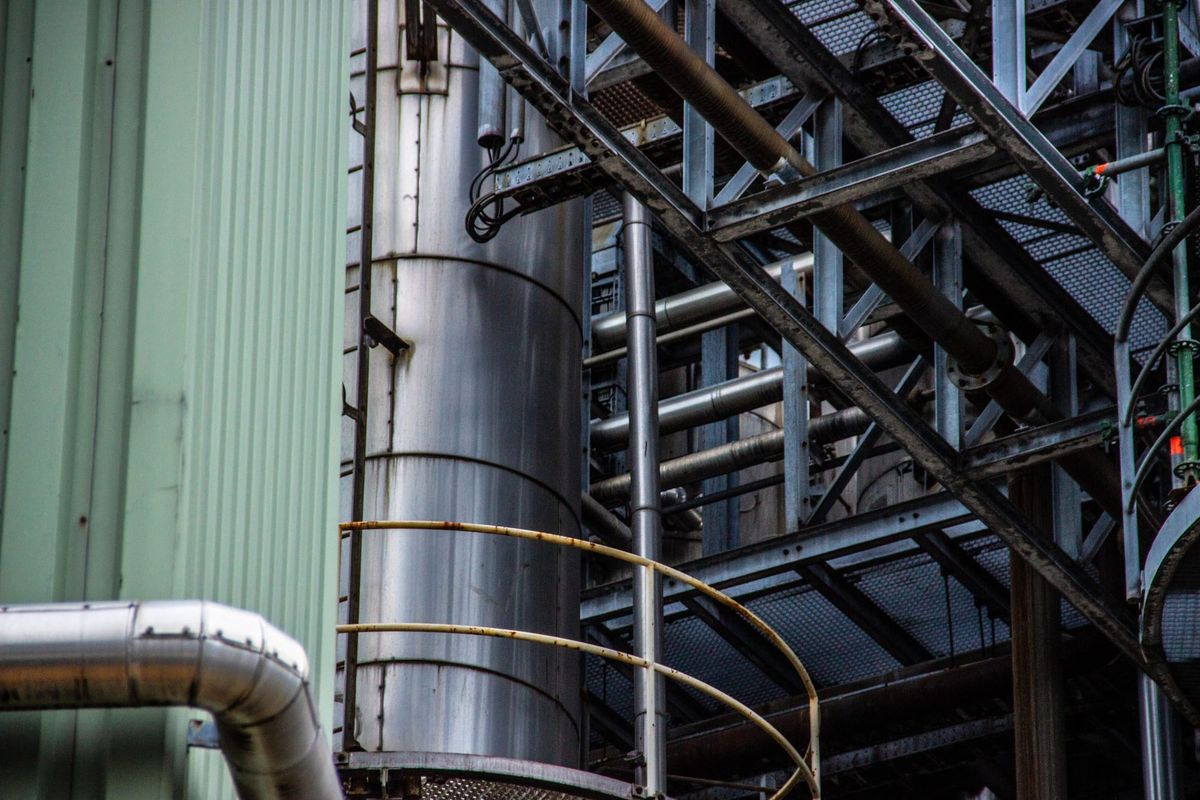
The Hidden Fragility of High-Performing Systems
A system can look diversified because it has many parts, suppliers, crops, technologies, revenue streams, or investments. However, if one component generates most of the actual output, surplus, revenue, or profit, then the system is not truly diversified. It's overly dependent on a single outcome.
This is the hidden fragility of high-performing systems: the strongest component quietly becomes the main support beam.
The danger is not that the high-performing component is bad. It may be the best part of the system. The problem begins when one crop, supplier, product line, technology stack, customer, sector, or machine produces such a large share of the total surplus that the rest of the output is irrelevant. At that point, success itself becomes a source of vulnerability.
A system optimized only for maximum output can become fragile. A system optimized for resilience may produce slightly lower peak returns but survives more possible futures.
1. The Difference Between Input Diversity and Output Diversity
Many systems appear diversified because they contain many visible parts.
A farm may grow ten crops. A factory may have dozens of suppliers. A company may sell many products. A power system may contain multiple generators. A portfolio may hold many positions. A technology stack may include many vendors, tools, databases, cloud services, and internal subsystems.
But input diversity is not the same thing as output diversity.
If 35% of a village’s farmland produces 95% of its food surplus, the village does not actually have a resilient food system. It has one dominant crop and a group of secondary crops that may look diversified on paper, but do not meaningfully protect the village if the dominant crop fails.
If one supplier provides the critical component that determines whether a factory can ship its final product, the factory is not resilient simply because it has many other suppliers. The ordinary suppliers may be numerous, but the critical supplier controls output.
If one product line produces nearly all revenue, a company is not truly diversified just because it has a large catalog. The catalog may be broad, but the business model is narrow.
The same applies to technological systems, industrial networks, supply chains, and financial portfolios. Diversification is not only about how many parts exist. It is about how many independent ways the system can continue producing value when one major component fails, reverses, or gets disrupted.
2. Output Concentration Risk
Output concentration risk occurs when a small share of a system’s inputs generates a disproportionate share of its useful output.
This could happen in many forms:
A single crop produces most of the surplus food. A single mine produces most of the strategic mineral supply. A single factory produces a critical part. A single customer produces most of the revenue. A single software vendor supports most workflows. A single energy source powers most of the grid. A single sector generates most of a portfolio’s profits.
In each case, the system may appear productive, efficient, and successful. The concentrated component may genuinely be valuable. If it becomes the main source of output, the entire system becomes exposed to its failure mode.
This is the paradox: high performance can hide fragility.
The best crop can become a monoculture risk. The best supplier can become a single point of failure. The best product can become revenue concentration. The best-performing sector can become return-driver concentration. The most efficient technology stack can become operational lock-in.
Output concentration is not always a mistake. Sometimes a system should lean into what works, but once the primary output source becomes too important, it must be treated as a dependency, not merely a strength.
3. The Village Crop Example
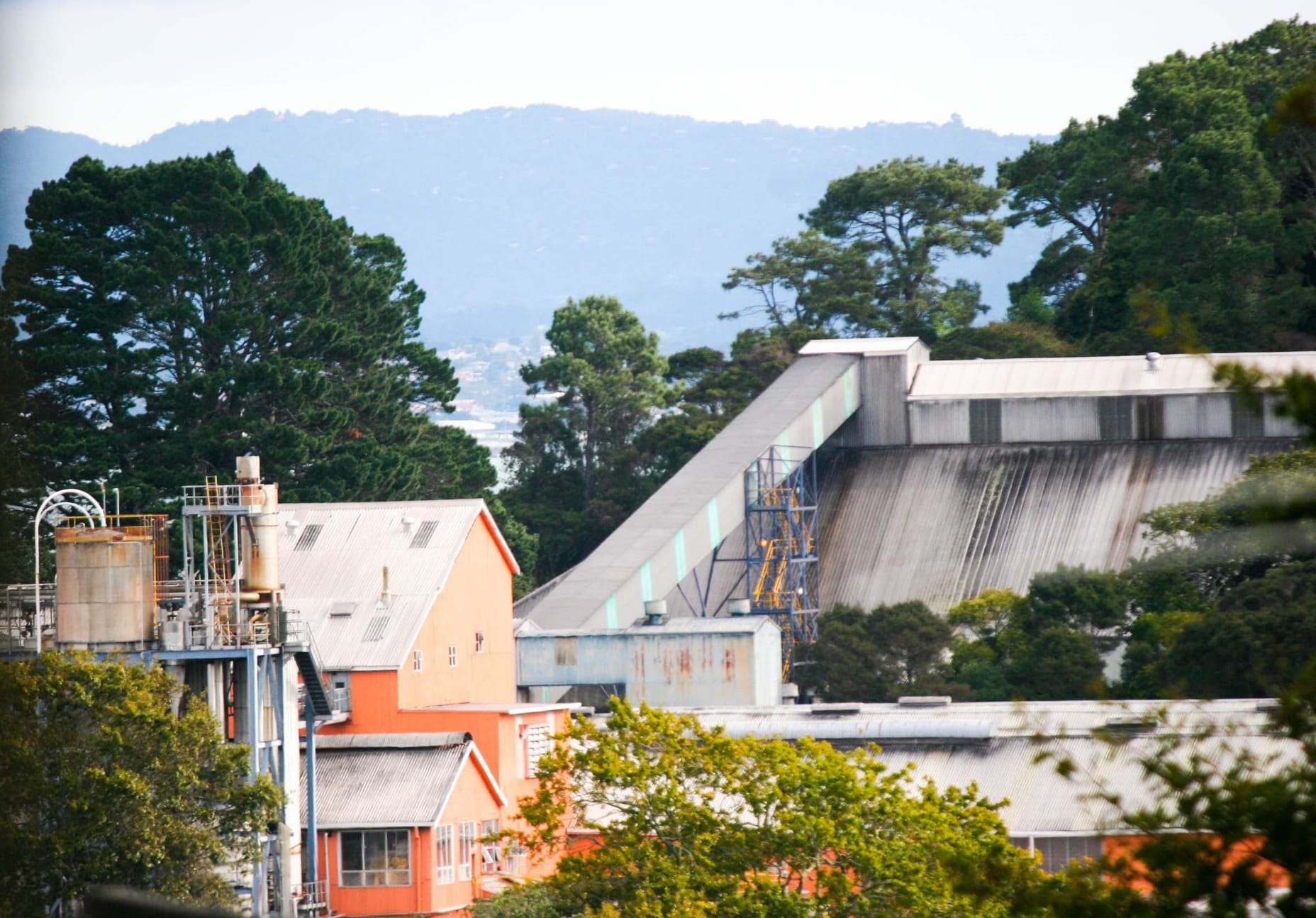
Imagine a village with 100 acres of farmland.
On paper, the village is diversified. It grows wheat, corn, beans, potatoes, fruit, herbs, medicinal plants, animal feed, and experimental greenhouse crops. The villagers can truthfully say they have many crops.
But suppose 35 acres of the farmland grow one high-yield crop, and that crop produces 95% of the village’s surplus food.
That crop is not bad. It may be the most productive, efficient, and valuable part of the village economy. It may be the reason the village has a surplus at all.
But the village now has a structural problem.
If pests attack that crop, most of the surplus disappears. If a drought affects that crop more than others, the village faces a food crisis. If the crop requires a fertilizer input that becomes unavailable, the surplus collapses. If the market price of the crop falls, trade revenue declines. If storage disease spreads through that crop, the food reserve is compromised.
The issue is not that the crop was wrong. The issue is that the system became dependent on it.
A resilient village would still grow the high-yield crop, but it would also protect itself with backup crops, stored food, seed reserves, irrigation redundancy, livestock, trade relationships, soil improvement, and diversified production. It would not confuse a productive crop with a resilient food system.
4. Technology Stacks Can Have the Same Problem
Technology systems often suffer from a similar form of hidden concentration.
A company may use many software tools, databases, APIs, cloud vendors, internal dashboards, automation scripts, and data pipelines. On paper, the system looks complex and diversified.
But if one cloud provider hosts the critical infrastructure, the company has cloud concentration risk.
If one database stores the operational truth, the company has data-layer concentration risk.
If one API controls payments, identity, mapping, logistics, or customer communication, the company has vendor dependency risk.
If one AI model, one semiconductor supplier, one packaging facility, one network vendor, or one power source determines whether the system can function, then the system is not as diversified as it looks.
The number of components does not matter if the real output depends on one bottleneck.
Modern technology systems are especially vulnerable to this mistake because they often optimize for speed, scale, and efficiency before they optimize for redundancy. The fastest system is often the one with the fewest layers of redundancy. The cheapest system is often the one with the least slack. The most integrated system is often the one with the deepest dependency.
That may be acceptable during growth. It becomes dangerous during stress.
5. Supply Chains and the Myth of “Many Suppliers”
A supply chain can have hundreds of suppliers and still be fragile.
The important question is not “how many suppliers do we have?” The important question is:
Which suppliers determine whether output continues?
If a company has 100 suppliers, but one supplier provides the critical chip, chemical, magnet, membrane, bearing, valve, sensor, or optical component needed for final assembly, then the system has a single point of failure.
Likewise, a supply chain may have many visible tiers but depend on one upstream input: one refinery, one rare earth separator, one lithography toolmaker, one port, one shipping lane, one water source, one fuel type, or one regulatory approval path.
A system can be broad at the surface and narrow at the root.
This is why supply chain resilience is not just procurement diversity. It is output continuity. If one disruption stops final production, then the system was not resilient enough, no matter how many secondary suppliers existed elsewhere in the chain.
6. Return-Driver Concentration
In portfolios and capital allocation, the same principle appears as return-driver concentration.
A portfolio may hold many positions, but if most of the gains come from one sector, one factor, one macro trend, or one speculative theme, then the portfolio is not truly diversified by return source.
It may be diversified by ticker count, but not by behavior.
This distinction matters because during normal conditions, many positions may appear independent. During stress, they may all move together. A portfolio can hold different companies across chips, photonics, networking, memory, industrial automation, and data infrastructure, but if the market treats all of them as one “AI compute” factor during a selloff, the portfolio is functionally concentrated.
The same logic applies outside finance. A village with many crops can still depend on one crop. A company with many products can still depend on one product. A supply chain with many suppliers can still depend on one bottleneck. A portfolio with many positions can still depend on one return driver.
The lesson is not that high-performing sectors should be avoided. The lesson is that a high-performing sector should not become the entire oxygen supply of the system.
7. Why Maximum Output Can Reduce Resilience
Systems often become fragile because they are optimized for maximum output under normal conditions.
The highest-yield crop gets more land, the fastest supplier gets more contracts. The most profitable product receives more investment, the best-performing sector receives more capital, the most efficient cloud provider receives more workloads and the most productive technology stack receives more integrations.
This process is rational in the short term. If something works, the system naturally allocates more resources toward it.
Over time, this optimization becomes dependency. The system becomes better at producing under favorable conditions and worse at surviving disruption.
This is the tradeoff between efficiency and resilience.
Efficiency asks:
How do we maximize output today?
Resilience asks:
How do we continue producing value if our strongest component fails tomorrow?
The best system is not always the one with the highest output. The best system is often the one with enough output, enough redundancy, enough slack, and enough diversity of production to survive unexpected conditions.
8. Measuring Real Diversification
Real diversification should be measured by output behavior, not just input count.
A useful resilience audit asks:
What percentage of output comes from the top component?
What percentage of surplus comes from the top crop, product, supplier, customer, or sector?
What happens if the highest-output component drops by 20%, 50%, or 100%?
Do other components compensate, or does the whole system fail?
Are the secondary components truly independent, or are they exposed to the same shock?
Does the system have reserves, substitutes, redundancy, or re-entry options?
Can the system survive a temporary failure without permanent damage?
These questions matter more than simply counting the number of parts.
A system with five independent output drivers may be more resilient than a system with fifty components that all depend on the same bottleneck.
9. The Central Lesson
A high-performing component is not only an asset. It can also become a dependency.
The crop producing most of the surplus is valuable, but it can become monoculture risk. The supplier delivering the critical component is valuable, but it can become a single point of failure. The product generating most of the revenue is valuable, but it can become product concentration risk. The sector producing most of the returns is valuable, but it can become return-driver concentration.
The goal is not to eliminate strong performers. The goal is to prevent strong performers from running the entire performance.
A system optimized only for maximum output can become fragile. A system optimized for resilience may produce slightly lower peak returns but survives more futures.
True diversification is not measured by how many parts a system contains. It is measured by how many independent ways the system can continue producing value when conditions change.
Output Concentration: How Successful Systems Become Fragile