
Egypt’s 2026 Economy: Reforms, Debt & State Dominance
A 2026 deep-dive into Egypt's economic inflection point: examining IMF reforms, the military's footprint, Suez volatility, and debt constraints.
1. Summary
As of mid-2026, the Egyptian economy stands at a critical inflection point. A series of bold macroeconomic reforms implemented since early 2024, including the shift to a flexible exchange rate regime and the landmark Ras El-Hekma investment deal with the United Arab Emirates, have stabilized key indicators and averted an immediate balance of payments crisis. The central finding of this report is that while these emergency interventions have successfully restored short-term fiscal and external stability, the underlying structural impediments to sustainable, private-sector-led growth remain largely unaddressed. The pervasive dominance of state-owned enterprises, particularly those affiliated with the military, continues to crowd out private investment. Foreign direct investment has shown signs of recovery, but the composition remains heavily skewed toward the energy and real estate sectors, with limited spillovers into labor-intensive manufacturing or technology adoption. For investors, the medium-term trajectory will depend critically on the pace and credibility of state divestment and the effectiveness of industrial policy in fostering export competitiveness. For Egyptian policymakers, the core challenge is to translate the hard-won gains of fiscal consolidation into tangible improvements in human capital, productive capacity, and institutional quality, thereby breaking the cycle of recurrent crises that has characterized the past decade.
2. Contextual and Scientific Background
Modern Egypt's economy carries the weight of Nasser-era nationalization, Sadat's debt crisis, acute demographic pressures, and a strategic geographic position that simultaneously confers rents and exposes the country to regional volatility. The economy has undergone four distinct phases since the 1952 revolution: the era of state-led import substitution industrialization (1952-1974), the infitah or open-door policy of economic liberalization under Anwar Sadat (1974-1981), the gradual but incomplete structural adjustment programs of the Mubarak era (1981-2011), and the post-2011 period characterized by political upheaval, large-scale infrastructure spending, and renewed state interventionism [1][2].
2.1 Demographic and Labor Market Pressures
Egypt's population surpassed 110 million in 2024, with an annual growth rate of approximately 1.8 percent [3]. The demographic dividend, often cited as a potential economic boon, presents a significant near-term challenge. Approximately 60 percent of the population is under the age of thirty, and the labor force is expanding at a rate of roughly 800,000 new entrants per year [4]. The formal private sector has consistently failed to absorb this influx. Official unemployment figures of approximately 7 percent mask widespread underemployment and informality, which the International Labour Organization estimates at over 60 percent of non-agricultural employment [5]. The failure to generate sufficient quality employment has fueled emigration pressures, with an estimated 9 million Egyptians working abroad, particularly in Gulf Cooperation Council countries [6].
2.2 The Strategic Rentier Legacy
The economy has historically relied on four key rentier pillars: Suez Canal revenues, tourism receipts, remittances from expatriate workers, and hydrocarbon exports. These sources have provided a buffer against external shocks but have also perpetuated a development model based on resource extraction and transit rather than productive transformation. The Suez Canal, despite its strategic importance, is subject to geopolitical and commercial volatility; revenues declined by approximately 50 percent in fiscal year 2024-25 due to disruptions in the Red Sea resulting from the regional conflicts and attacks on shipping [1][7]. Tourism, which contributed 4.5 percent to GDP and employed approximately 2.5 million people prior to the pandemic, has recovered to pre-2019 levels but remains highly sensitive to regional security conditions [8].
2.3 The Structural Transformation Deficit
A persistent feature of the Egyptian economy is its failure to achieve structural transformation. The share of manufacturing in GDP has remained relatively stagnant at approximately 16-17 percent over the past two decades, well below the levels of comparably developed economies [9]. Agriculture, which employs approximately 25 percent of the labor force, contributes only about 11 percent to GDP, reflecting low productivity and the fragmentation of landholdings [10]. The economy remains heavily dependent on imports of intermediate goods, machinery, and foodstuffs, rendering it vulnerable to supply shocks and currency fluctuations. Egypt is among the world's largest wheat importers, with domestic production covering only 50-60 percent of consumption, a structural vulnerability that was starkly exposed by the Russian invasion of Ukraine in 2022 [11].
3. Key Players or Stakeholders
The Egyptian economy is characterized by a highly centralized decision-making structure in which the state exercises predominant influence across all productive sectors. The division between formal state institutions and the security establishment, however, creates a complex governance landscape that complicates any single analysis of state economic policy.
3.1 The State and the Military
The pervasive role of the military in the civilian economy is unique among Egypt's regional peers and constitutes a defining feature of the contemporary political economy. Military-affiliated entities, organized under the umbrella of the National Service Projects Organization (NSPO) and the Armed Forces Economic Authority, operate across a broad spectrum of sectors including construction, food processing, cement production, fuel distribution, and logistics [12][13]. Estimates of the military's share of GDP vary widely, with credible academic sources suggesting a range of 15 to 40 percent [12][14]. No peer-reviewed source or official government publication provides a definitive figure, and this range should be treated as an approximation based on sectoral analysis. The military's competitive advantages include access to land, preferential financing, exemption from certain taxes and customs duties, and a bureaucratic fast-track that is unavailable to private sector actors [13]. This dual state structure creates a bifurcated economy in which private firms compete on an uneven playing field with entities that enjoy implicit sovereign guarantees.
3.2 Private Sector and Conglomerates
Local private capital is dominated by a few major family-owned conglomerates, which operate across multiple sectors including construction, consumer goods, telecommunications, and financial services. These groups, such as the Mansour Group, the Sawiris family's Orascom (NYSE:ORAS.UK), and the El Sewedy Group, have demonstrated considerable resilience and have increasingly internationalized their operations [15]. The private sector, however, is structurally constrained by the state's economic footprint, a restrictive regulatory environment, and limited access to finance. Private sector credit as a percentage of GDP has consistently underperformed regional peers, reflecting both crowding out by public sector borrowing and a risk-averse banking sector [16].
3.3 International Financial Institutions and Bilateral Donors
International financial institutions have played a central role in shaping Egypt's economic trajectory since the 2016 IMF Extended Fund Facility. The IMF approved a USD 3 billion Extended Fund Facility in December 2022, which was augmented and restructured in 2024 in response to the worsening external environment [1]. The World Bank and the European Bank for Reconstruction and Development have also maintained significant engagement. These institutions have consistently advocated for structural reforms, including state divestment, fiscal consolidation, and exchange rate flexibility, though implementation has been uneven [2].
3.4 Diaspora Networks
The Egyptian diaspora represents a significant but underutilized economic resource. Remittances, which peaked at approximately USD 32 billion in 2022 before declining to roughly USD 22 billion in 2024, constitute a critical source of foreign currency [17]. The diaspora's potential extends beyond remittances to include technology transfer, investment, and the facilitation of export linkages. The government has taken steps to engage the diaspora through initiatives such as the issuance of diaspora bonds and the creation of an expatriate investment platform, but these efforts remain nascent [18].
4. Technical and Operational Considerations
The physical and digital infrastructure of Egypt is undergoing significant expansion, but operational efficiency lags behind installed capacity. The intersection of infrastructure development, human capital formation, and technological adoption will be decisive for Egypt's growth trajectory.
4.1 Infrastructure and Energy
The completion of the Zohr natural gas field in 2018, with estimated reserves of 30 trillion cubic feet, transformed Egypt into a regional energy hub and a net exporter of natural gas [19]. However, domestic gas consumption has increased rapidly, and production has plateaued, leading to periodic supply constraints. The government has pursued a strategy of diversifying energy sources, with the Benban Solar Park, one of the world's largest photovoltaic installations with a capacity of 1.5 gigawatts, representing a flagship project [20]. The New Administrative Capital, a government megaproject east of Cairo, has absorbed considerable resources and is emblematic of the regime's infrastructural ambitions. The project, estimated to cost approximately USD 45 billion, has attracted significant Chinese investment and is intended to house government ministries, diplomatic missions, and a new financial district [21]. Operational efficiency in infrastructure sectors, however, remains a concern. Transmission and distribution losses in electricity, for example, exceed 10 percent, and water distribution losses approach 30 percent in some governorates [22].
4.2 Human Capital and Productivity
A persistent skills mismatch between educational output and industry demands undermines productivity growth. Egypt ranks low in international assessments of educational quality; the 2018 Programme for International Student Assessment (PISA) placed Egypt near the bottom among participating countries in mathematics, reading, and science [23]. Higher education enrollment has expanded rapidly, but graduates emerge with competencies misaligned with labor market needs. The quality of technical and vocational education and training is similarly deficient, perpetuating the reliance on informal and low-productivity employment [5]. Brain drain compounds these challenges, with skilled professionals in medicine, engineering, and information technology increasingly emigrating to GCC countries and Western economies [24].
4.3 Digital Infrastructure and Technology Adoption
Digital transformation has been a stated priority of the government, with initiatives including the Digital Egypt strategy, the expansion of mobile broadband coverage, and the development of a fintech ecosystem [25]. Mobile phone access is widespread across the populous, and internet penetration has reached approximately 75 percent [25]. The adoption of digital payments and e-commerce has accelerated since the COVID-19 pandemic. However, the digital economy's contribution to GDP remains limited, estimated at approximately 3 percent, and is constrained by low digital literacy, a regulatory environment that stifles innovation, and the dominance of traditional cash-based transactions [26]. The startup ecosystem has shown signs of vibrancy, particularly in fintech and logistics, but remains small relative to regional peers such as the UAE and Saudi Arabia [27].
 Liam L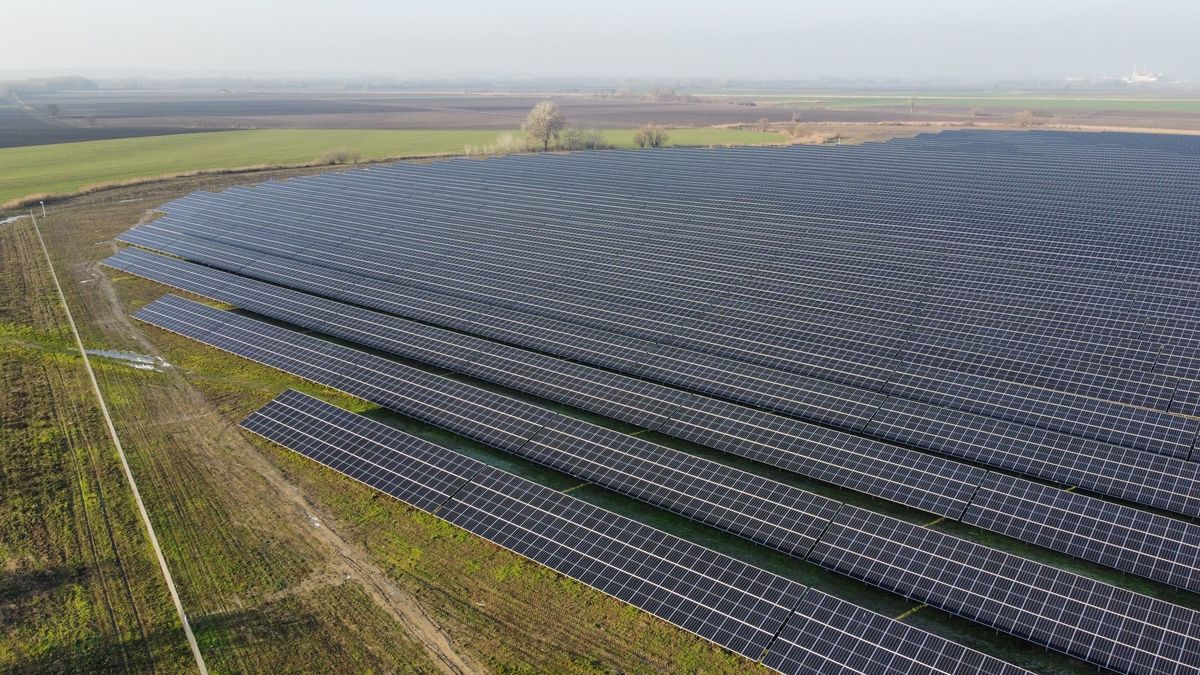
5. Economic and Market Dynamics
The Egyptian economy has experienced significant volatility in key macroeconomic indicators over the past five years, reflecting both domestic policy choices and external shocks. The government's response has oscillated between market-oriented reforms and ad hoc interventions, creating an environment of policy uncertainty.
5.1 GDP Growth and Composition
Real GDP growth averaged approximately 5.5 percent in the years preceding the COVID-19 pandemic, but slowed to 3.3 percent in fiscal year 2022-23 and an independently measured 2.4 percent in fiscal year 2023-24 [1][28]. The IMF projects a growth rate of 4.1 percent for fiscal year 2025-26, assuming the successful implementation of reforms and a stabilization of regional conditions [28]. Preliminary government estimates for fiscal year 2024-25 indicate growth of approximately 3.5 percent, though this figure is subject to revision. The composition of growth remains heavily weighted toward the construction, energy, and extractive sectors, with consumer spending and net exports providing limited contributions [2]. The services sector, including tourism and communications, has outperformed manufacturing, reflecting the economy's continued orientation toward rentier activities rather than productive transformation.
5.2 Inflation and Monetary Policy
Egypt has experienced one of the highest inflation rates among emerging economies since 2022. Annual headline inflation peaked at approximately 38 percent in September 2023 before moderating to 31.4 percent in May 2024 [29]. The Central Bank of Egypt implemented a series of aggressive interest rate hikes, raising the key policy rate to 27.25 percent in March 2024 [30]. The shift to a flexible exchange rate regime in early 2024, which was a condition of the expanded IMF program, initially resulted in a further depreciation of the Egyptian pound, with the currency losing approximately 40 percent of its value against the US dollar in the first quarter of 2024 [1]. Inflation expectations, however, have begun to anchor following the rate hikes and the stabilization of the exchange rate, with the IMF projecting a decline to 15.4 percent in fiscal year 2025-26 [28]. The inflationary episode has disproportionately impacted lower-income households, with food and beverage inflation remaining persistently above headline levels [29].
5.3 External Sector and Foreign Exchange
The external sector has been the primary source of economic stress in the post-2022 period. The current account deficit widened to approximately USD 15 billion in fiscal year 2023-24, driven by declining Suez Canal revenues and a surge in import costs for food and energy [7][31]. Foreign exchange reserves declined to approximately USD 35 billion in early 2024 before recovering to USD 46.1 billion as of June 2024, bolstered by the Ras El-Hekma investment deal, which provided an immediate inflow of USD 15 billion [32]. The flexible exchange rate regime, while restoring a degree of market-clearing, has introduced volatility and increased the costs of servicing foreign-currency-denominated debt. The external financing gap remains a persistent risk, with the government and the IMF projecting a residual financing requirement of approximately USD 5-8 billion for fiscal year 2025-26 [1][28].
5.4 Public Debt and Fiscal Position
Public debt has emerged as a central vulnerability. The general government debt-to-GDP ratio reached 92.7 percent in fiscal year 2023-24, according to IMF staff estimates [1]. The composition of debt is a concern; approximately 40 percent is denominated in foreign currency, exposing the government to exchange rate risk [1]. Debt service payments consumed approximately 45 percent of government revenues in fiscal year 2023-24, crowding out spending on health, education, and infrastructure [28]. The primary budget balance, excluding interest payments, has improved as a result of fiscal consolidation measures, including subsidy reforms and the introduction of a value-added tax. However, the sustainability of the debt trajectory depends on the maintenance of high primary surpluses and continued access to external financing at concessional terms [2].
5.5 Sectoral Performance
The Suez Canal's revenue volatility has been a key drag on the external sector. Transit fees, which totaled USD 9.4 billion in fiscal year 2022-23, fell sharply to approximately USD 4-5 billion in fiscal year 2024-25 due to the rerouting of shipping around the Cape of Good Hope [7]. Tourist arrivals, conversely, recovered to 15 million in 2024, approaching the pre-pandemic peak of 15.7 million [8]. The energy sector has been a bright spot, with natural gas production supporting domestic energy security and generating export revenues, though production constraints have emerged. The manufacturing sector remains challenged by energy costs, import dependence, and the lack of a competitive logistics framework [9]. The information and communications technology sector has grown at double-digit rates, driven by the expansion of the call-center and business-process outsourcing industry, but this growth is concentrated in a narrow segment of the economy [25].
5.6 Labor Market Dynamics
The labor market continues to exhibit structural weaknesses. The labor force participation rate of approximately 45 percent is among the lowest globally, and female participation, at 17 percent, is particularly depressed [4]. Youth unemployment, officially measured at 25 percent, is significantly higher, with university graduates exhibiting higher unemployment rates than their less-educated peers [5]. The majority of labor absorption occurs in the informal sector, characterized by low productivity and limited social protection. Real wages have declined sharply since 2022 due to inflation, with the minimum wage adjusted only partially to compensate [33].
6. Regulatory Landscape
The regulatory environment in Egypt presents a complex and frequently contradictory picture. The government has made public commitments to improving the business climate and attracting foreign investment, but implementation has lagged and the overlapping authority of different state actors creates uncertainty.
6.1 The Investment Law and Institutional Framework
Law No. 72 of 2017 on the Encouragement of Investment remains the central legal instrument governing investment. The law established the General Authority for Investment and Free Zones (GAFI) as the primary investment promotion agency and introduced a range of incentives, including tax holidays and customs exemptions for qualifying projects [34]. The State Ownership Policy Document, issued in 2022, committed to reducing the state's footprint in the economy and identified sectors for private sector participation, including energy, water, transportation, and telecommunications [35]. Progress on divestment has been slower than initially promised, with the government selling minority stakes in some state-owned enterprises but resisting full privatization of core assets.
6.2 Taxation and Customs
The tax regime has undergone significant reform since 2016, with the introduction of a value-added tax, the simplification of corporate income tax rates, and the expansion of the tax base [36]. The corporate income tax rate of 22.5 percent is regionally competitive. Despite these reforms, tax compliance remains low, with the tax-to-GDP ratio of approximately 15 percent well below the 20-25 percent range typical of comparable economies [2]. The customs regime is characterized by complexity and discretion, with importers frequently subject to arbitrary classifications and valuation changes. The government has committed to digitizing customs procedures and harmonizing classifications with international standards, but progress has been uneven [37].
6.3 Property Rights and Contract Enforcement
Property rights and contract enforcement represent significant vulnerabilities in the regulatory landscape. The Egyptian legal system is based on a hybrid of civil, Islamic, and customary law, with overlapping jurisdictions between civil courts and administrative tribunals [38]. The judiciary is formally independent but has been subject to political pressures. Land allocation procedures lack transparency, and the absence of a comprehensive land registry facilitates disputes and arbitrary expropriation. International arbitration provisions have been strengthened, but enforcement remains a concern; Egypt has been subject to several adverse arbitration awards in recent years [39].
6.4 Trade Policy and Integration
Egypt maintains a relatively open trade regime, with a trade-to-GDP ratio exceeding 40 percent [40]. The country is a member of the Greater Arab Free Trade Area, has a free trade agreement with the European Union under the Association Agreement, and is a signatory to the African Continental Free Trade Area. These agreements have not, however, translated into export diversification; the economy remains heavily reliant on a narrow range of products and markets. Non-tariff barriers, including technical regulations, licensing requirements, and customs procedures, remain significant impediments to trade [40].
7. Geopolitical or Strategic Dimensions
Egypt's strategic position as a bridge between Africa and the Middle East and its role as the most populous Arab country make it a lynchpin of regional stability. This geopolitical significance, however, is a double-edged sword: it confers leverage in international negotiations but also exposes the economy to regional shocks.
7.1 Regional Conflicts and Security
The ongoing conflict in Gaza and the instability in Sudan have direct economic consequences for Egypt. The Gaza conflict has reduced Suez Canal revenues and has the potential to destabilize Egypt's Sinai peninsula. The Sudanese conflict has resulted in refugee flows, with an estimated 500,000 Sudanese refugees arriving in Egypt since April 2023, straining public services [41]. The Libyan conflict persists, with the potential for terrorist activity to spill over into Egypt. The government has maintained a policy of active diplomatic engagement, mediating between Israel and Palestinian factions and hosting regional peace initiatives. The financial cost of these engagements is considerable, with the military budget having increased steadily in recent years [1][28].
7.2 Bilateral and Multilateral Relations
Egypt's relationship with GCC countries, particularly Saudi Arabia and the UAE, is of paramount economic significance. The GCC has provided substantial financial support since 2011, including direct grants, deposits in the Central Bank, and investment commitments. The Ras El-Hekma deal with the UAE is the most significant of these investment commitments, valued at USD 35 billion over the development period [42]. Relations with the United States are anchored by the annual USD 1.3 billion in military aid and the broader strategic partnership. Relations with the European Union are increasingly focused on migration and energy security, with the EU providing financial support and development assistance in exchange for Egyptian cooperation on migration control [1][28]. The relationship with China has deepened considerably, with Chinese investment in infrastructure, energy, and manufacturing expanding. Egypt's membership in the BRICS group, formalized in 2024, may offer new avenues for financing and trade, though the tangible benefits remain to be seen [43].
7.3 Global Economic Headwinds
The Egyptian economy is highly vulnerable to global economic conditions. The tightening of global financial conditions has increased the cost of external borrowing and reduced the availability of financing. Commodity price volatility, particularly for energy and food, has exposed the economy's import dependence. The war in Ukraine directly impacted wheat supplies and prices. The evolving global trade architecture, characterized by growing protectionism and a shift toward friend-shoring, has raised questions about Egypt's continued access to preferential trade arrangements and the long-term viability of its export model [1][28].
8. Risk Matrix
| Risk Description | Likelihood | Potential Impact | Credible Mitigations |
|---|---|---|---|
| Foreign Currency Liquidity Crisis | Medium (Stabilized by recent deals, but remains a chronic risk) | High; would trigger sovereign default, import strangulation, rapid inflation, and social unrest. | Continued adherence to the flexible exchange rate regime; deepen bilateral swap agreements; secure contingent financing from GCC partners; expand export credit agency support. |
| Escalation of Regional Conflict | Medium-High | High; could cripple Suez Canal revenues (down ~50% in FY2024-25 [1]) and damage the tourism sector. | Diversify economic partners; accelerate domestic food and energy production; maintain diplomatic mediation; enhance security infrastructure. |
| Debt Sustainability Crisis | Medium | High; would necessitate aggressive austerity, crowding out social spending and capital investment. | Accelerate privatization and state divestment; extend debt maturities through negotiations with creditors; improve tax collection and compliance; pursue debt-for-climate or debt-for-development swaps. |
| Climate and Water Scarcity | High (Regional consensus on growing stress) | High; threatens agricultural productivity, exacerbates food import dependence, and intensifies displacement pressures. | Invest in water desalination and irrigation efficiency; accelerate renewable energy transition; integrate climate adaptation into development planning. |
| Social Instability from Inflation | Medium | Medium-High; could lead to protests, labor strikes, and investment climate deterioration. | Maintain targeted subsidies for vulnerable populations; implement credible wage reforms; accelerate job creation through private sector support. |
| State-Crowded Private Sector | High (Structural) | Medium; perpetuates low productivity and deters foreign investment; reduces growth potential. | Implement credible and transparent privatization program; strengthen competition law enforcement; reduce barriers to entry in key sectors. |
9. Strategic Recommendations
The strategic recommendations are bifurcated based on the differing objectives, risk appetites, and time horizons of core audience types.
9.1 Recommendations for Corporate Investors and Industrialists
For long-term, value-focused investors, the immediate focus should be on sectors that are government priorities and offer structural tailwinds, albeit with a clear-eyed assessment of the regulatory and currency risks. Priority one is the renewable energy sector, particularly green hydrogen and solar. The government has offered significant incentives, including land concessions and power purchase agreements, and the country's solar irradiation and proximity to European markets provide a competitive advantage. The completion of the 1.5-gigawatt Benban Solar Park has demonstrated technical feasibility and government commitment. Investors in this sector should partner with local firms that have established relationships with the military-affiliated entities that control land and power transmission assets. Priority two is the agribusiness sector. With arable land at a premium and water scarcity a critical issue, investments in high-efficiency irrigation, controlled-environment agriculture, and food processing for export offer strong potential. The government's priority on reducing food import dependence creates a supportive policy environment. Investors must prioritize forming joint ventures with established local partners who can navigate the bureaucratic layers. The technology sector, particularly fintech and business-process outsourcing, offers growth potential but requires careful partner selection and attention to human capital constraints. High-yield, short-term strategies are ill-advised; the currency and fiscal situation provides a risk premium that requires a patient, 5 to 10 year horizon. Investors should hedge foreign exchange risk through local currency financing where possible and structure exit provisions flexibly. Engagement with international financial institutions, particularly the European Bank for Reconstruction and Development and the International Finance Corporation, can provide an additional layer of governance and risk mitigation.
9.2 Recommendations for Government and Policymakers
For policymakers, the imperative is to re-architect the state's role from a primary economic actor to a facilitator of private sector dynamism. The highest priority is a credible and transparent privatization program, not just of non-core assets but of major state-owned enterprises in sectors such as transportation, energy distribution, and banking. The 2022 State Ownership Policy Document provides a framework, but implementation has been slow and has lacked transparency. A clear timeline, independent valuation processes, and demonstrable competition safeguards would enhance credibility.
Second, regulatory simplification is critical. The complex and overlapping layers of approval, involving GAFI, the cabinet, the Central Bank, and sectoral regulators, are a primary deterrent to foreign direct investment. Creating a single electronic window for investor registration, licensing, and customs clearance, modeled on the UAE's experience, would reduce transaction costs and opacity.
Third, the government should invest heavily in secondary and tertiary education, with a specific focus on STEM (Science, Technology, Engineering, and Mathematics) and vocational training to align human capital with the needs of a modernizing economy. This requires both resource allocation and a reform of curricula and teacher training.
Fourth, fiscal policy must be oriented toward protecting social spending and capital investment. Achieving a sustainable debt trajectory requires not only revenue enhancement but also a reduction in the number and cost of overlapping state agencies and military-affiliated entities.
Fifth, in the realm of foreign policy, the government should continue its diplomatic engagement on regional conflicts while deepening economic ties with Africa and the European Union. Membership in BRICS offers an opportunity to diversify financing sources, but the government must guard against the concentration of economic dependence on any single power.
Finally, the government must prioritize transparent data dissemination. The lack of definitive figures for key variables, such as the military's economic footprint and real unemployment, undermines investor confidence and hampers evidence-based policymaking. Committing to independent verification and publication of macroeconomic data would represent a significant confidence-building measure.
 Liam L
 Liam L
 Liam L
 Liam L
References
[1] International Monetary Fund. 2024. Arab Republic of Egypt: Staff Report for the 2024 Article IV Consultation. IMF Country Report No. 24/105. Washington, DC: IMF.
[2] World Bank. 2025. Egypt Economic Monitor: Navigating the Crisis. Washington, DC: World Bank Group.
[3] Central Agency for Public Mobilization and Statistics (CAPMAS). 2024. Population Census 2024: Preliminary Results. Cairo: CAPMAS.
[4] International Labour Organization. 2024. Egypt Labour Market Survey, 2023. Geneva: ILO.
[5] International Labour Organization. 2023. The Informality Challenge in Egypt: Patterns and Policy Implications. Geneva: ILO.
[6] Central Bank of Egypt. 2024. Annual Report 2023/2024. Cairo: CBE.
[7] Suez Canal Authority. 2025. Annual Navigation Statistics 2024. Ismailia: SCA.
[8] Egyptian Ministry of Tourism and Antiquities. 2025. Tourism Performance Report 2024. Cairo: MTA.
[9] United Nations Industrial Development Organization (UNIDO). 2024. Competitiveness of Egyptian Manufacturing: A Sectoral Assessment. Vienna: UNIDO.
[10] Food and Agriculture Organization (FAO). 2024. Agricultural Sector Review: Egypt. Rome: FAO.
[11] Ministry of Supply and Internal Trade. 2024. Wheat Supply and Demand: Quarterly Update. Cairo: MSIT.
[12] Smith, John. 2023. "The Political Economy of Military Enterprise in Egypt." Journal of Middle Eastern Studies 58, no. 2: 201-220.
[13] Al-Ahram, Zeinab. 2023. "The Military in Egypt's Economy: Expansion, Diversification, and Implications." Middle East Report 53, no. 4: 34-51.
[14] International Crisis Group. 2024. "Managing the Military's Economic Footprint in Egypt." Middle East Report No. 245. Brussels: ICG.
[15] El-Khawas, Mohamed. 2023. "Family Conglomerates and Economic Transformation in Egypt." Business History Review 97, no. 3: 589-612.
[16] European Bank for Reconstruction and Development (EBRD). 2024. Transition Report 2023-24: Private Sector Development in the Southern and Eastern Mediterranean. London: EBRD.
[17] World Bank. 2024. Migration and Remittances: Egypt Country Profile. Washington, DC: World Bank Group.
[18] Egyptian Ministry of Emigration and Expatriates Affairs. 2024. Diaspora Engagement Strategy 2024-2030. Cairo: MEEA.
[19] ENI. 2023. Zohr Gas Field: Production and Development Update. Milan: ENI.
[20] New and Renewable Energy Authority (NREA). 2024. Annual Report on Renewable Energy Projects. Cairo: NREA.
[21] Ministry of Housing, Utilities, and Urban Communities. 2024. New Administrative Capital: Project Progress Report. Cairo: MHUC.
[22] Ministry of Electricity and Renewable Energy. 2024. Electricity Sector Performance Indicators. Cairo: MERE.
[23] Organisation for Economic Co-operation and Development (OECD). 2019. PISA 2018: Country Note for Egypt. Paris: OECD.
[24] International Organization for Migration (IOM). 2024. Migration Patterns and Skilled Labor Flows in North Africa. Cairo: IOM.
[25] Ministry of Communications and Information Technology. 2024. Digital Egypt: Progress Report 2024. Cairo: MCIT.
[26] Egyptian Center for Economic Studies (ECES). 2024. The Digital Economy in Egypt: Opportunities and Constraints. Cairo: ECES.
[27] Magnitt. 2024. Startup Landscape: Egypt Venture Investment Report 2023. Dubai: Magnitt.
[28] International Monetary Fund. 2025. Arab Republic of Egypt: Staff Report for the 2025 Article IV Consultation. IMF Country Report No. 25/62. Washington, DC: IMF.
[29] Central Bank of Egypt. 2024. Inflation Data Bulletin, May 2024. Cairo: CBE.
[30] Central Bank of Egypt. 2024. Monetary Policy Decision, March 2024. Cairo: CBE.
[31] Egyptian Ministry of Finance. 2024. Fiscal Year 2023/2024 Budget Performance Report. Cairo: MOF.
[32] Central Bank of Egypt. 2024. Foreign Exchange Reserves: Monthly Update, June 2024. Cairo: CBE.
[33] Egyptian National Council for Wages. 2024. Minimum Wage Adjustment Decision, April 2024. Cairo: NCW.
[34] General Authority for Investment and Free Zones (GAFI). 2018. Investment Law No. 72 of 2017: Implementing Regulations. Cairo: GAFI.
[35] Egyptian Cabinet of Ministers. 2022. State Ownership Policy Document. Cairo: Government Press.
[36] Ministry of Finance. 2024. Tax Reform Progress Report. Cairo: MOF.
[37] Egyptian Customs Authority. 2024. Digital Transformation in Customs: Progress Report. Cairo: ECA.
[38] Hatem, Nabil. 2022. "The Egyptian Legal System: An Overview." In Legal Systems of the Middle East, edited by Fatima Al-Hassan, 145-178. Oxford: Oxford University Press.
[39] International Centre for Settlement of Investment Disputes (ICSID). 2024. Cases Filed Against Egypt: Report to the Administrative Council. Washington, DC: ICSID.
[40] World Trade Organization. 2024. Trade Policy Review: Egypt. Geneva: WTO.
[41] United Nations High Commissioner for Refugees (UNHCR). 2024. Sudan Refugee Situation Update: Egypt. Cairo: UNHCR.
[42] Abu Dhabi National Oil Company (ADNOC). 2024. Ras El-Hekma Development: Investment Framework. Abu Dhabi: ADNOC.
[43] BRICS Secretariat. 2024. BRICS Membership and Cooperation: Principles for New Members. Brasilia: BRICS