Can Wave-Powered Ocean Data Centers Work? Inside Panthalassa's $1B Bet
Panthalassa raised $140M at a near-$1B mark in May 2026. Every figure that carries the case, including 2 cents per kWh, remains unproven at sea.

1. Where opinion stands
Investor opinion on Panthalassa is unusually convergent on the technical concept and unusually divided on its economics. Across venture backers, marine engineers, and technology journalists, there is near-uniform agreement that the idea is ingenious and that it targets a strategic bottleneck: the inability of terrestrial grids to supply power to AI data centers fast enough. There is equally broad agreement that the business is commercially unproven and that survivability and maintenance economics, not physics, are the binding constraints [5][6]. The sharpest disagreement is over a single number: the company's claim of roughly $0.02 per kilowatt-hour for delivered energy. Named backers treat it as a credible target of a validated design; credible skeptics treat it as an artifact that collapses once offshore operations, corrosion, biofouling, and insurance are priced in [5][6].
Panthalassa is privately held. It has no public equity, no ticker, no SEC filings, no sell-side research, no ratings or price targets, and no institutional-holdings disclosures. The operative opinion landscape is therefore composed of investor convictions, independent technical assessment, journalism, and precedent from wave energy and prior offshore-compute efforts. The absence of public-market scrutiny is itself meaningful: the roughly $1 billion figure attached to the company is a negotiated private mark, not a liquid consensus.
2. Company baseline and technology primer
Panthalassa is a public benefit corporation founded in 2016 and headquartered in Portland, Oregon, with 120 employees [1]. Its engineering bench is drawn from aerospace and technology firms: chief engineer Daniel Place came from SpaceX, and other engineering staff came from Google, Blue Origin, Apple, Boeing, Amazon, and Tesla [8]. It was co-founded by CEO Garth Sheldon-Coulson, who previously served as a senior investment associate at Bridgewater Associates, and Chief Innovation Officer Brian Moffat, who developed a novel wave-energy system for Spindrift Energy before launching Panthalassa [1]. The business model is distinctive: the company sells compute, not electricity. Power is generated and consumed in place, and only AI inference results ("tokens") are returned to shore by low-Earth-orbit satellite, principally SpaceX's Starlink [2][8]. The guiding mantra is "go where the energy is," and management states it will "never be transmitting electricity back to shore," which it frames as the decisive break from all prior ocean-energy efforts [3][5].
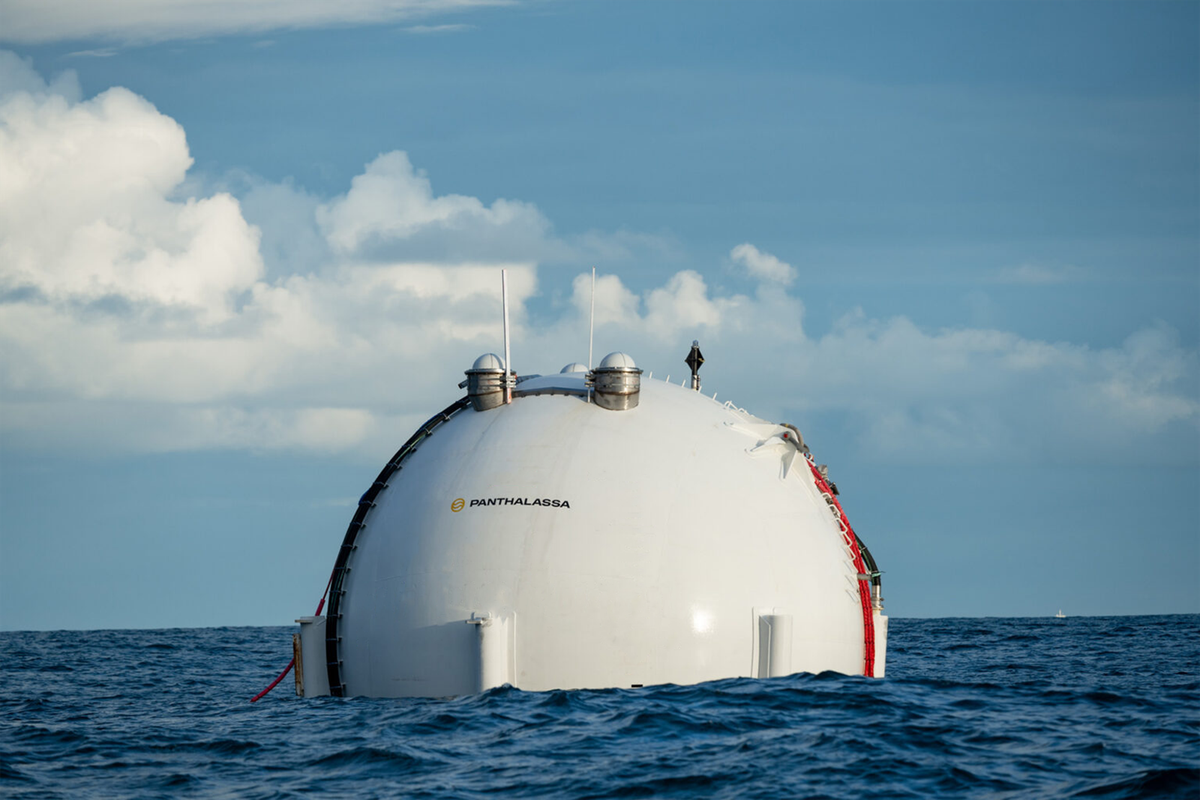
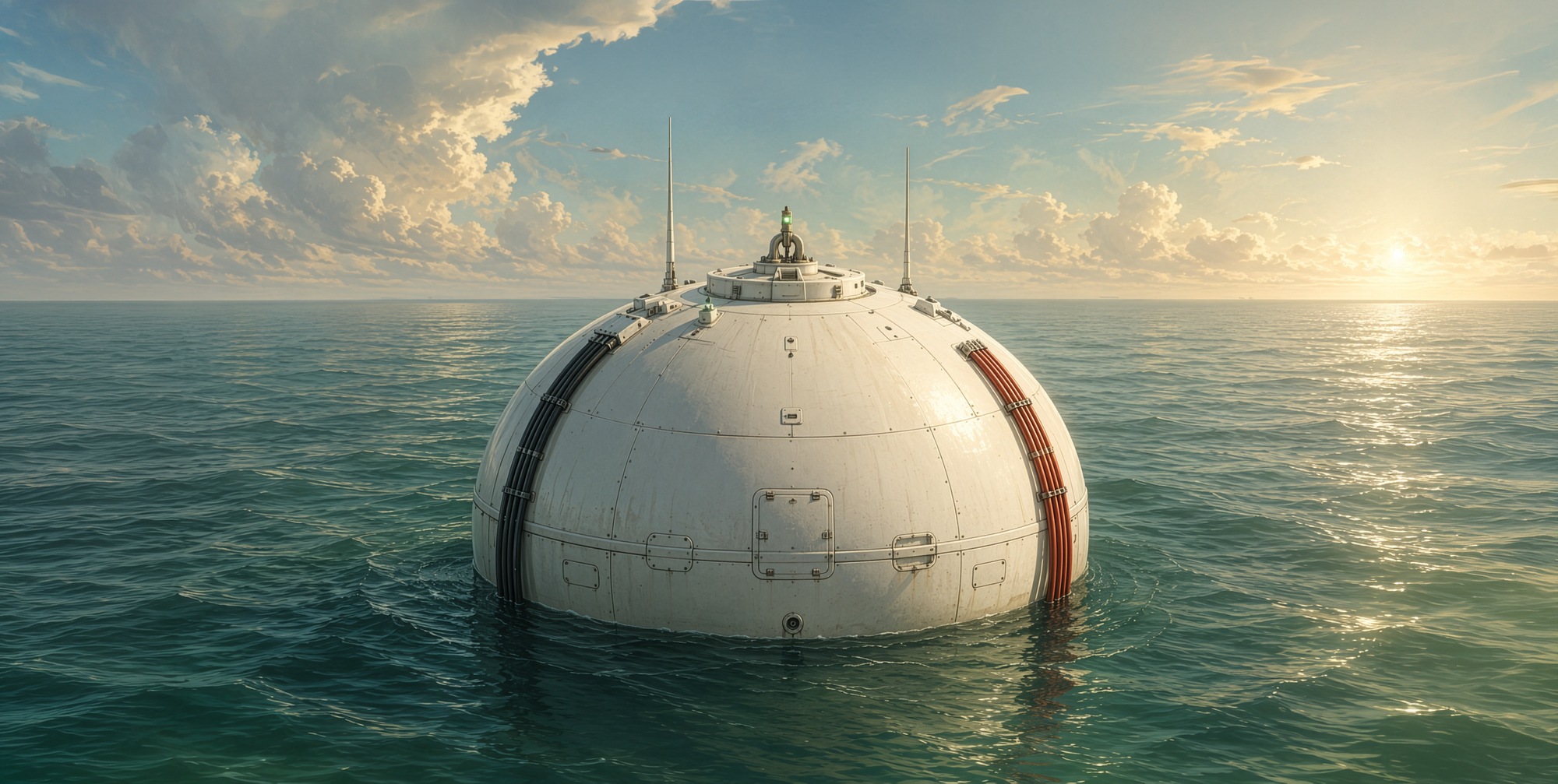
The principal asset is the "node," which Sheldon-Coulson describes as resembling "an upright lollipop": a hollow steel tube extending roughly 50 to 80 meters vertically below the surface, topped by a buoyant section 15 to 30 meters across, with an overall structure length reported at about 85 meters [3][5]. The energy mechanism is a self-filling hydroelectric analogue. As the node heaves in the swell, relative motion between the structure and the water column forces seawater up the internal tube into a pressurized reservoir, where it drives an internal turbine and generator in a recirculating closed loop [4][5]. The design deliberately omits hinges, flaps, and gearboxes, the exposed moving parts that have historically failed on wave devices [3][9]. The nodes carry no anchors and no subsea cable; each is towed out horizontally, flips upright, and station-keeps using the hydrodynamic shape of its hull plus a self-navigation system for course correction [4][5]. Compute sits in a hermetically sealed, seawater-cooled enclosure, with the surrounding ocean providing what the company calls "free supercooling" that it argues also lengthens chip life [2][9].
 Bianca Giacobone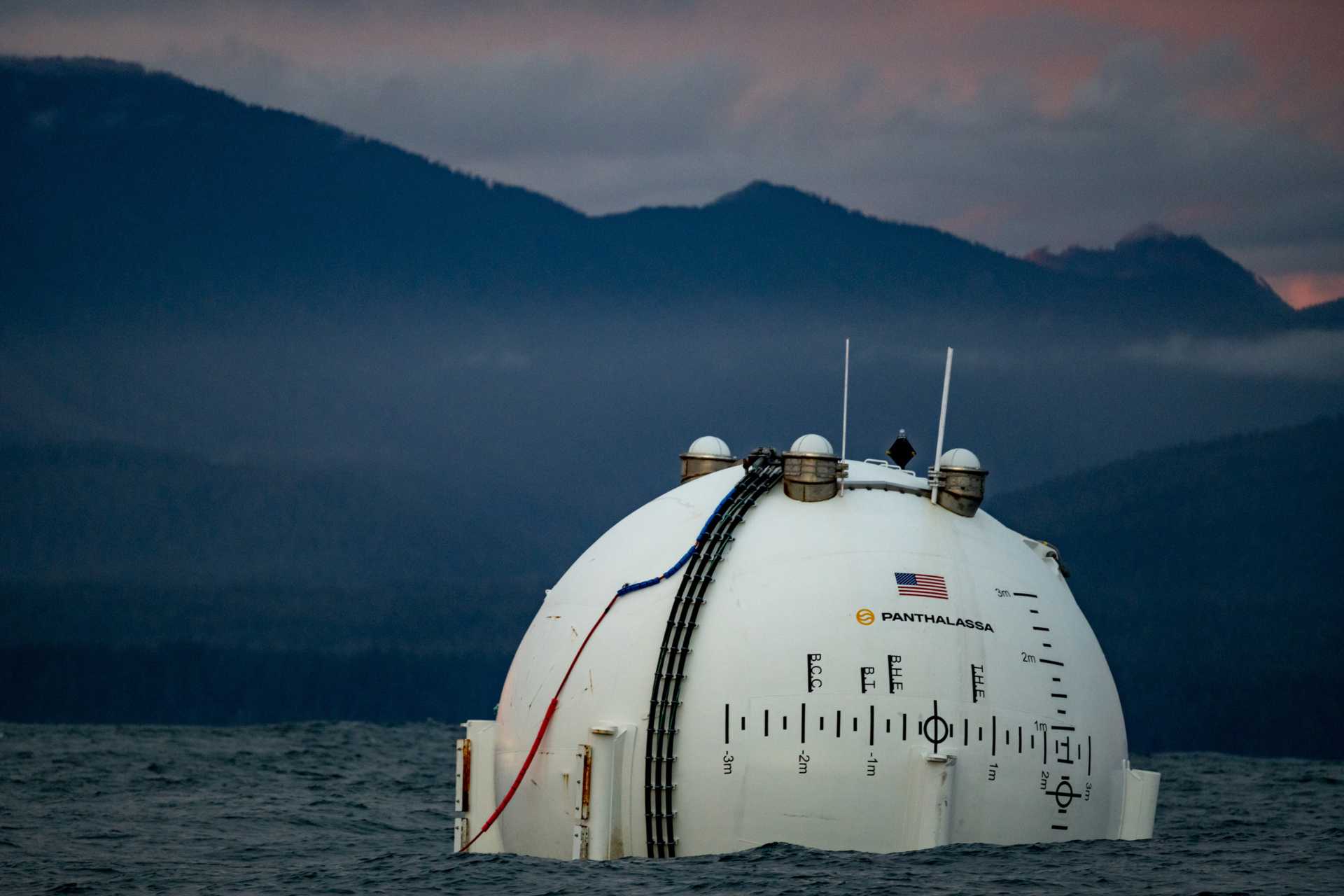
Development has run for roughly a decade through the Ocean-1 (2021) and Ocean-2 (2024) prototypes and a "Wavehopper" design; these tested energy generation, propulsion, and autonomy and did not carry compute payloads [4][5]. The Ocean-2 unit is a 70-meter tower that has been undergoing trials off Washington state [8]. The Ocean-3 pilot series, the first intended to demonstrate AI inference at sea, was still under construction and pre-deployment as of mid-July 2026; the CEO told CBS News he expected units "operating off-shore by around August of this year," a forecast rather than a confirmed event, with commercial deployment targeted for 2027 [4][8]. No independent verification of an in-water Ocean-3 deployment exists yet.
Competitively, Panthalassa sits against land-based hyperscale (the incumbent it seeks to relieve), against space-based compute concepts such as Starcloud and SpaceX's proposed orbital constellation, and against subsea approaches. Its most direct comparables are either private, pre-commercial, or discontinued, so peer comparison is necessarily loose.
3. The bull case
The investor thesis rests on siting and cost structure. Peter Thiel led the $140 million Series B in May 2026 through his personal fund, with his Founders Fund having first backed the company in 2018; he framed the ocean as a new compute "frontier" alongside extraterrestrial solutions [1][7]. John Doerr called the autonomous wave system "a game changer" and "a strategic asset that strengthens American technological leadership" [2]. The most operationally grounded endorsement comes from Mike Schroepfer, founder of Gigascale Capital and former Meta chief technology officer, who scaled gigawatts of data center capacity at Meta: he argued that "an additive energy source co-located with effectively unlimited cold seawater, that doesn't require waiting five to seven years for a grid hookup, is uniquely fit for this moment" [5].
The technical and economic proposition has four pillars. First, open-ocean wave abundance: Sheldon-Coulson contends that "there are three sources of energy on the planet with tens of terawatts of new capacity potential: solar, nuclear, and the open ocean," and claims a capacity factor above 90 percent because waves persist day and night [1][8]. Second, in-place consumption sidesteps the single largest historical killer of wave economics, the subsea export cable, which independent expert Bryson Robertson of the University of Victoria estimates can run into the hundreds of millions of dollars for just a few miles [5]. Third, seawater cooling eliminates the freshwater draw that increasingly constrains land siting. Fourth, remote deployment avoids grid-interconnection queues and local permitting opposition [2][5]. On cost, the CEO states manufacturing runs about $1 million to $1.5 million per node (excluding logistics and maintenance) and a delivered energy cost "down around 2 cents per kilowatt hour" [5][8]. For scale, JLL's 2026 Global Data Center Market Outlook reports that average global data center construction cost rose from $7.7 million to $10.7 million per megawatt between 2020 and 2025, with 2026 forecast at $11.3 million per megawatt for shell-and-core alone, before AI tenant fit-out that can add up to $25 million per megawatt [5].
Crucially, most of this is modeled, not demonstrated. The wave abundance and cable-avoidance logic are well established. The 90-plus percent capacity factor, the 2-cent energy cost, and the maintenance profile are management projections that no field data yet substantiates, because the compute-carrying node has not operated at sea. Robertson's key point is narrower: the round finally gives wave energy the capital to iterate through multiple prototype failures, something the sector has never had [5].
4. The bear case
The skeptical case, argued most fully by climate-technology analyst Michael Barnard, does not dispute that waves carry energy; it disputes that the energy survives the offshore loss stack cheaply enough to become bankable compute [6]. Barnard models the node as a "degrading throttling stack" in which corrosion, biofouling, salt intrusion, and fouled heat exchangers erode output over months, forcing the platform to throttle compute to preserve survival functions [6]. He argues the $0.02 per kilowatt-hour claim fails a basic test: a node delivering 0.5 megawatts of useful compute produces about 4,380 megawatt-hours a year, worth only about $87,600 at 2 cents, which cannot plausibly cover capital recovery, offshore maintenance, insurance, spares, and service vessels for an 85-meter autonomous machine [6].
The precedent is discouraging. Wave energy is, in Barnard's phrase, one of clean energy's longest-running "never-success stories"; Pelamis entered administration, Aquamarine Power's Oyster failed commercially, and Ocean Power Technologies never became a large supplier [6]. Coastal-engineering literature attributes Pelamis's abandonment to high capital and maintenance costs, low reliability of its hydraulic power take-off, and survivability challenges, and notes that maintenance at sea is "a demanding and expensive task" for systems with many parts exposed to corrosion and fouling [10]. As recently as 2025, wave developers AW-Energy and AquaHarmonics ceased operations or filed for bankruptcy [5].
Corrosion and biofouling are the crux of the maintenance case, and the marine record is unambiguous. Seawater attacks hulls, fasteners, cable glands, sensors, and heat-exchanger surfaces, with the splash zone worse than full immersion because of repeated wetting and chloride concentration [6]. Cathodic protection and coatings protect submerged steel but not every spray-wetted topside detail [6]. Biofouling, the accumulation of algae, barnacles, and mussels, adds mass and drag, alters hydrodynamics, and degrades cooling intakes and heat exchangers. Peer-reviewed work by Lindén and colleagues on wave-converter power-take-off rods found that barnacle and mussel growth increases surface roughness, raises seal friction, and considerably shortens component service life, directly raising the levelized cost of energy, with scraping required at intervals [11]. Offshore-wind experience shows operations and maintenance typically run 25 to 30 percent of lifecycle cost; a 200-turbine farm can require on the order of 3,000 offshore visits per year, visits are generally restricted to significant wave heights at or below 1.5 meters, and support vessels rent for roughly $150,000 to $250,000 per day [12][19]. Underwater intervention is costlier still, with research-vessel operations at $20,000 to $50,000 per day and ROV-dependent deep-sea work exceeding $100,000 per day [20]. Barnard's conclusion is that for a fleet of thousands of nodes, "maintenance is the business model," not a line item, and that insurers will price novel drifting, high-value, collision-prone objects accordingly [6].
Panthalassa's public answer to these specific hazards is thin. Its disclosed mitigations are the omission of external moving parts, "coatings of zinc or aluminum" over thick steel that "should last at least 15 years," and a compute-payload swap "about every five years" [5][8]. On subsea reliability concerns raised by University of Florida researcher Md Jahidul Islam, a company spokesperson told Fortune the issues were "a non-issue," citing "solid-state components, pressure-vessel isolation, and rigorous environmental testing" [7]. Notably, that response addresses vibration and acoustic resilience, not biofouling or corrosion of intakes and hulls, on which the company has offered no detailed, quantified plan.
Microsoft's Project Natick is the most cited comparable and cuts both ways. Its Orkney deployment recorded one-eighth the failure rate of identical land servers, a result project manager Ben Cutler summarized as "our failure rate in the water is one-eighth of what we see on land": of 855 submerged servers only 6 failed over about two years, versus 8 of 135 land-based controls [13]. Microsoft attributed the gain chiefly to a sealed, oxygen-free nitrogen atmosphere and the absence of human handling [13]. However, Natick was moored and cabled, retrieved periodically as a whole module, and Microsoft wound it down by 2024 without commercializing it, citing the gap between a successful experiment and a viable business [13][7]. China's HiCloud/Highlander subsea facility off Shanghai reached full commercial operation in 2026: a $226 million, 24-megawatt project sited about 35 meters deep in the Lingang Special Area, housing nearly 2,000 servers, with Chinese media reporting a power usage effectiveness below 1.15 [14]. It too, however, is near-shore, cabled, and powered by fixed offshore wind, validating seawater cooling while sidestepping the untethered, self-propelled, satellite-only model that defines Panthalassa's harder bet [14][15].
Two further structural risks stand out. On connectivity, the consensus is that Starlink-class links suit delay-tolerant inference but not tightly coupled training, which narrows the addressable workload to a niche rather than a general replacement for land campuses [16]. On execution and concentration, the company's near-term value hinges on a single unproven pilot outcome, and a venture mark reflects round terms and preferences, not a demonstrated business.
5. Quantitative summary
Funding is the firmest data. The Series B closed on May 4, 2026 at $140 million, led by Thiel, bringing total capital raised to $210 million and valuing the company at close to $1 billion, reported by the Financial Times [1][3][7]. This is a private, negotiated mark. Investors include Founders Fund, John Doerr, Marc Benioff's TIME Ventures, Max Levchin's SciFi Ventures, Susquehanna Sustainable Investments, Hanwha, Anthony Pratt, Fortescue Ventures, Super Micro Computer, Sozo Ventures, Dylan Field, Gigascale Capital, and Lowercarbon Capital [1][2].
On technical and economic figures, field testing shows the node dimensions and the basic energy mechanism, validated on Ocean-1 and Ocean-2, however, did not carry compute [4][5]. Claimed but yet to be shown: up to 1 megawatt per node, a capacity factor above 90 percent, roughly $0.02 per kilowatt-hour delivered energy, and $1-$1.5 million manufacturing cost per node excluding logistics and maintenance [5][8]. No specific hull steel thickness is yet verifiable.
For public context only, the nearest listed wave-energy comparable is Ocean Power Technologies (NYSE: OPTT), which traded near $0.41 per share in March 2026 after decades without reaching commercial scale, and an investor in the round, Super Micro Computer (NASDAQ: SMCI), is a public hardware supplier.
6. Assessment
The evidence better supports the skeptics on the economics while vindicating the backers on the concept. Every element that is demonstrated (wave energy density, the elegance of eliminating the export cable, seawater cooling, the survivability of well-built marine structures) is real and consequential. Every element that carries the investment case (the 90-plus percent capacity factor, the 2-cent energy cost, and above all the maintenance profile of an untethered fleet in corrosive, biofouling-prone open ocean) is unproven, and the weight of marine precedent runs against the most optimistic versions of those claims. The decisive datum does not yet exist, because the compute-carrying Ocean-3 node had not been deployed as of mid-July 2026.
The conclusion is conditional. This is a high-variance venture bet whose validity turns on field data the company is about to generate. The findings that would move the assessment are specific and measurable: net electrical output and useful compute after parasitic loads, sustained over months across real sea states; drift and station-keeping behavior; realized biofouling, corrosion, and cooling degradation at 6, 12, and 24 months; at-sea service time per node; and insurance terms for a multi-node fleet. If the pilot shows a durable capacity factor and a maintenance cadence consistent with the 15-year coating claim, the economics could approach the company's case. If, as precedent suggests, output degrades and interventions prove frequent and vessel-intensive, the delivered cost of compute will land far above 2 cents and the model contracts to a niche for delay-tolerant inference in places without better options.
Recommendations
For prospective investors and strategic partners: treat the Ocean-3 pilot as the single gating event. Do not underwrite the commercial thesis on the current venture mark. The threshold that would justify escalating from watching to engaging is a pilot that reports, from independent or auditable measurement, a sustained capacity factor above roughly 60 percent net of parasitics over at least a full seasonal cycle, plus documented biofouling and corrosion behavior at 6 and 12 months consistent with infrequent servicing.
For hyperscale and enterprise compute buyers: scope any near-term interest to delay-tolerant, bandwidth-light inference workloads only, and treat satellite backhaul as the workload-defining constraint rather than an implementation detail.
For analysts and observers benchmarking the sector: use HiCloud's Shanghai facility and Project Natick as the reference class for seawater cooling (validated) and Pelamis, Oyster, and Ocean Power Technologies as the reference class for wave-energy commercialization (not yet validated).
Caveats
This briefing rests entirely on company statements, investor and expert commentary, and journalism. Node dimensions vary across sources (the 85-meter total structure versus the 70-meter Ocean-2 tower versus the CEO's 50-to-80-meter tube plus 15-to-30-meter head), which are reconcilable but imprecise.
 John D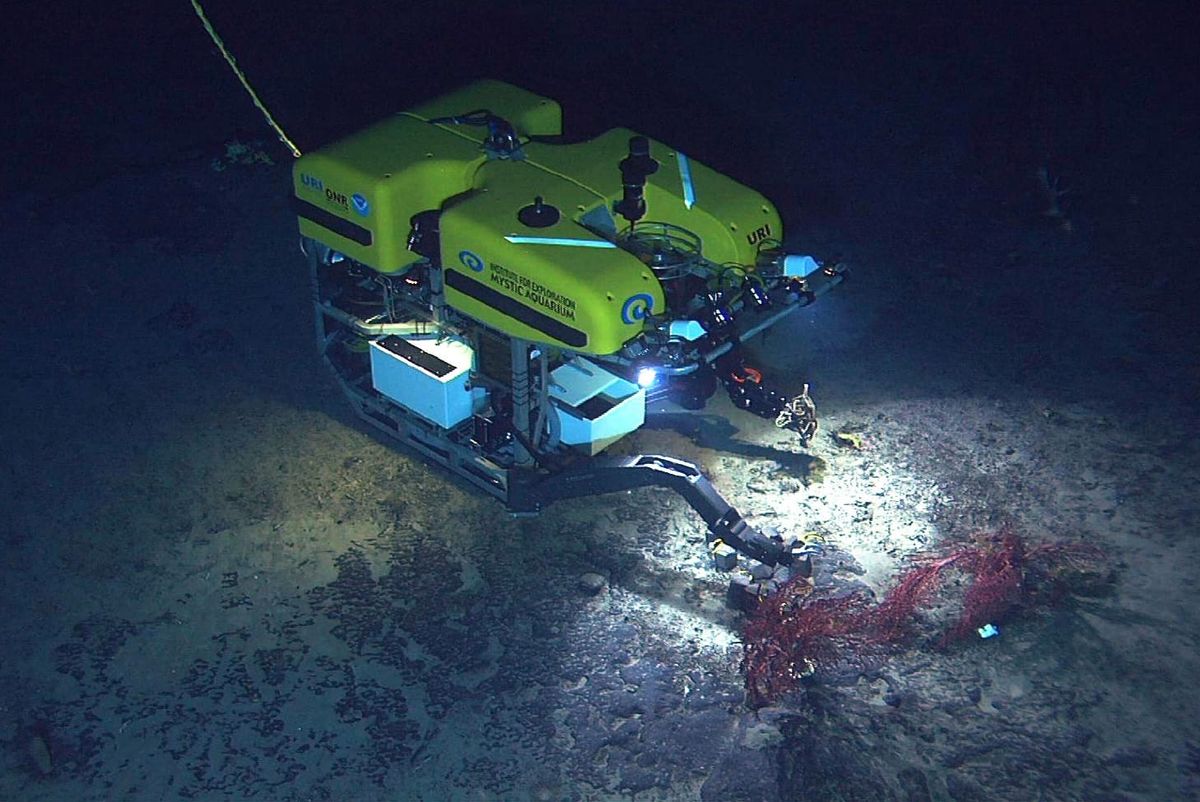
 John D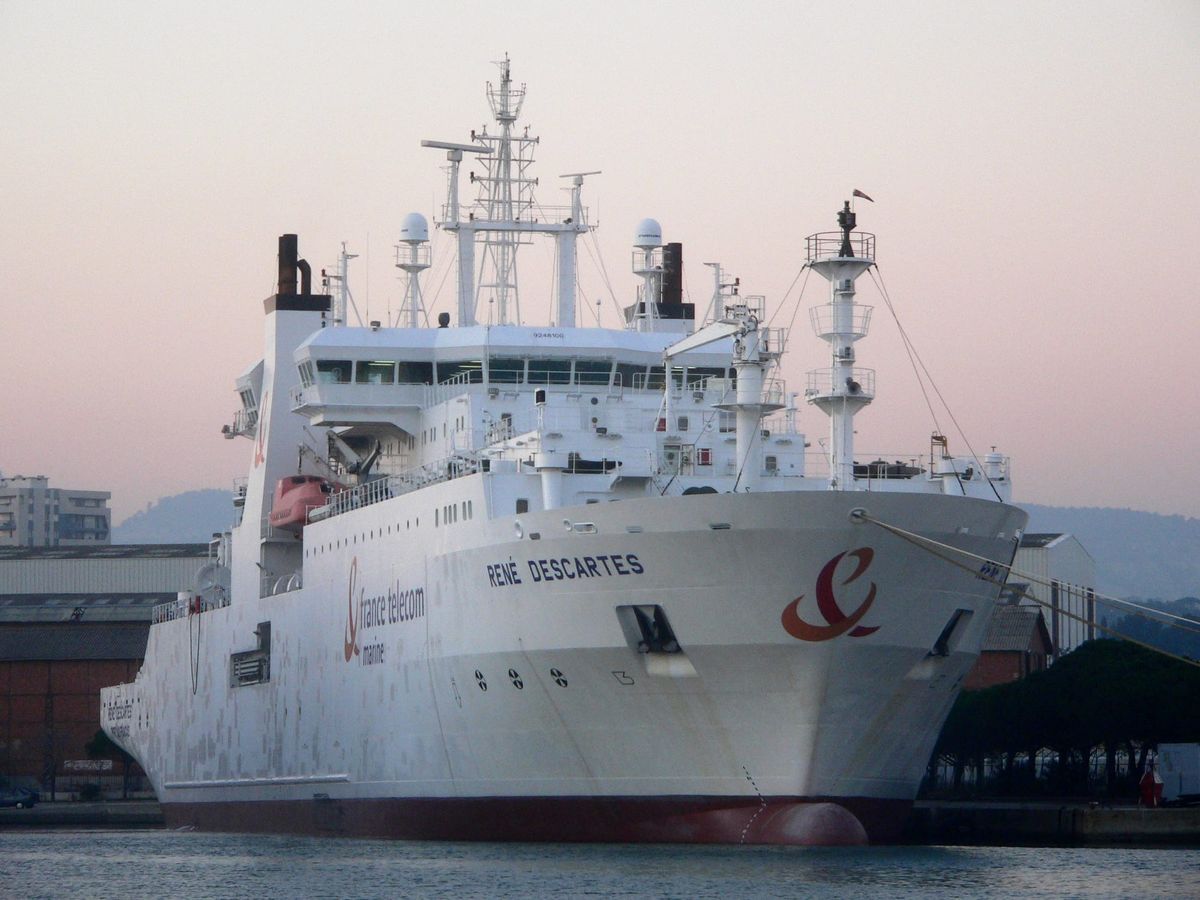
 John D
 John D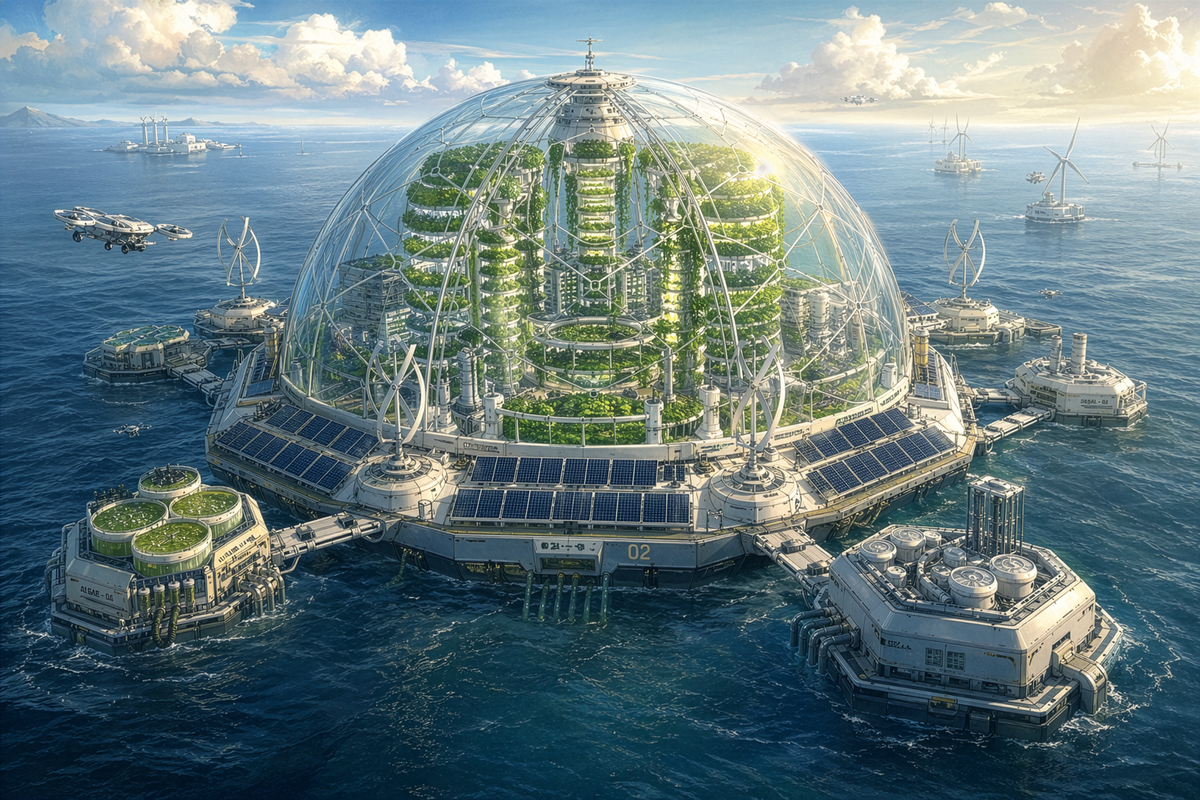
 John D
 John D
References
- GeekWire. 2026. "Peter Thiel leads $140M round for Panthalassa's wave-powered AI." May 4.
- Business Wire. 2026. "Panthalassa Raises $140 Million to Power AI at Sea." May 5.
- Sustainability Magazine / Energy Digital / Technology Magazine. 2026. Coverage citing Financial Times interview with Garth Sheldon-Coulson.
- CBS News. 2026. "Using the ocean to power data centers."
- Giacobone, Bianca. 2026. "Are Thiel-funded floating data centers enough to make wave energy pencil?" Latitude Media, May 27.
- Barnard, Michael. 2026. "The Ocean Is Not A Server Rack: Panthalassa, Peter Thiel, And Wave-Powered AI Compute." CleanTechnica, May 11.
- Fortune. 2026. "Peter Thiel is leading investment in an ocean data center powered by waves." May 14.
- Ohnsman, Alan. 2026. Forbes interview with Garth Sheldon-Coulson, June 15.
- Tom's Hardware. 2026. "Palantir co-founder Peter Thiel backs $140M wave-powered AI data center startup."
- Coastal Wiki. "Wave energy converters."
- Lindén, Johan B., Kjell-Åke Andersson, Emiliano Pinori, Ross Harnden, and Antoine Bonel. 2022. "Biofouling and Corrosion Defense on Wave Energy Converters." Materials Performance 61 (9): 32–36.
- Springer. 2017. "Operation and Maintenance Costs of Offshore Wind Farms and Potential Multi-use Platforms in the Dutch North Sea."
- Microsoft. "Project Natick Phase 2"; Data Center Dynamics, "Project Natick: Microsoft's underwater voyage of discovery" (Ben Cutler quotation and failure-rate figures).
- Data Center Dynamics. 2026. "HiCloud's offshore wind-powered underwater data center up and running off coast of Shanghai."
- South China Morning Post. 2025. "China turns to offshore wind farms, subsea data centres to ease AI computing bottleneck."
- Data Center Dynamics / Starlink; Tech Times. 2026. Coverage of LEO latency and orbital compute suitability for inference versus training.
- WallStreetZen; U.S. SEC filings. Ocean Power Technologies (NASDAQ: OPTT) share price and profile.
- Energy Digital. 2026. IEA data center energy-consumption projection.
- Blackridge Research; U.S. Department of Energy WINDExchange. Offshore wind O&M and vessel-cost benchmarks.
- arXiv. 2026. "Machine Learning for the Internet of Underwater Things." Vessel and ROV cost benchmarks.
- JLL. 2026. Global Data Center Market Outlook (data center construction cost per megawatt).