Plastoline and Microwave Pyrolysis: Assessing Julian Brown's Plastic-to-Fuel Claims Against the Peer-Reviewed Science
Separating the peer-reviewed science of microwave pyrolysis from the unverified 110-octane, carbon-negative claims behind Plastoline fuel.

Plastoline: Microwave Pyrolysis Plastic-to-Fuel, Assessed
TL:DR: The process is valid; the product claims are not yet proven. Microwave-assisted pyrolysis is decades-old tech that can turn clean, sorted plastic into liquid fuel in the lab. "Plastoline," inventor Julian Brown's branded version, is the unproven part. Its headline numbers (110 octane, carbon-negative, ten pounds of plastic per gallon, refinable to jet fuel) trace only to the developer, not to independent or peer-reviewed testing. The physics works against the pitch: pyrolysis consumes more energy than the fuel returns, and Brown himself concedes input exceeds output. The project's main selling point, feeding mixed and dirty plastic straight in, is exactly what ruins fuel quality and creates toxic emissions, with PVC and PET the worst offenders. The venture is pre-commercial, single-operator, and crowdfunded, while far better-funded firms have already failed on these same problems.
1. Summary
The underlying process is real and well-studied; the brand built on top of it is not yet substantiated. Microwave-assisted pyrolysis (MAP) of plastic waste is a peer-reviewed field with a quantifiable literature stretching back roughly two decades, capable under laboratory conditions of converting single-polymer feedstocks into liquid hydrocarbon oils at high mass yields [1][2][3]. "Plastoline," the branded fuel produced by inventor Julian Brown (social-media identity NatureJab; company Jab's Pyrolysis & Energy Recovery), is a specific, backyard-scale, solar-and-generator-powered microwave-pyrolysis implementation whose headline performance claims are, as of June 2026, largely uncorroborated by independent, peer-reviewed, or audited testing [4][5].
This report separates the two bodies of material and assesses the second against the first. Our principal conclusions are calibrated as follows.
On technical viability, MAP of sorted single polymers (polyethylene, polypropylene, polystyrene) can produce liquid oil yields in the range of roughly 50 to nearly 99 wt% under optimized bench-scale conditions, with the highest yields reported for polystyrene [2][6][7]. This is established. However, those results rely on microwave absorbers (susceptors) such as silicon carbide, controlled temperature and power, and clean, sorted feedstock [2][8]. The Plastoline claim of feeding "mixed, unsorted, and dirty plastic" directly contradicts the feedstock discipline on which the favorable laboratory results depend [4][9].
 jzj
jzj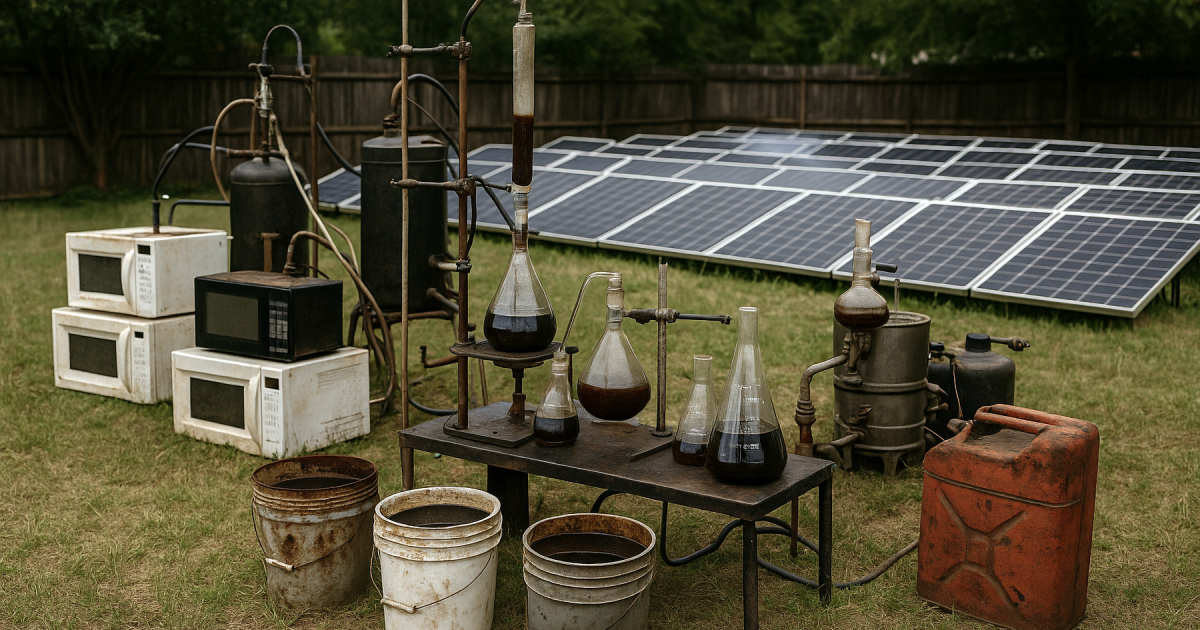
On net energy, the weight of qualified expert opinion holds that plastic pyrolysis, including MAP, is at best marginally net-energy-positive and frequently net-negative once realistic boundary conditions (magnetron conversion losses, endothermic cracking duty, vaporization, susceptor and dielectric losses, downstream refining) are included [10][11][12]. The developer himself has publicly conceded that energy input exceeds energy output [4]. The "carbon-negative" characterization is not defensible on a lifecycle basis; the most that formal Life Cycle Assessments (LCAs) support is a conditional reduction in global-warming potential relative to a specified counterfactual, not net carbon removal [13][14][15].
On environmental and fuel-quality claims, the "110 octane," "clean," "no-ethanol/long-shelf-life," and refinable-to-jet-fuel claims are asserted by the developer and have not been traced to any published, independent, on-specification fuel test [5][16][17]. The single independent analysis we could locate, a GC-MS screen by a university mass-spectrometry scientist, found high styrene and BTEX (benzene, toluene, ethylbenzene, xylene) content and prompted an explicit safety caution, not a fuel-quality endorsement [4].
On commercial readiness, the venture is pre-revenue, grant- and crowdfunding-financed, single-operator, and patent-pending [5][18][19]. It sits far below even the pilot scale at which numerous better-capitalized plastic-pyrolysis ventures have struggled or failed [20][21][22].
Headline recommendation: technical evaluators and prospective investors should treat all Plastoline performance figures as unverified until a defined package of independent mass and energy balances, on-specification fuel tests, and emissions data is produced. Sustainability advocates should weigh the proposition against the more energy-efficient and lower-risk alternatives of waste reduction and mechanical recycling, and against the specific counterfactual that matters in a given waste stream [13][14][20].
Plastic to Fuel by Microwave Pyrolysis: A Rigorous Assessment of "Plastoline" Against the Established Science of Microwave-Assisted Pyrolysis
1. Summary
2. Background and Scientific Context
- 2.1 The plastic-waste problem and the waste-to-fuel proposition
- 2.2 Pyrolysis fundamentals
- 2.3 What distinguishes microwave-assisted pyrolysis
- 2.4 Origin and content of the Plastoline claim
3. Key Players and Stakeholders
4. Technical and Operational Considerations
- 4.1 Process chemistry and reaction mechanism
- 4.2 Reactor design, microwave coupling, susceptor strategy, and operating mode
- 4.3 Feedstock effects: sorted single-polymer versus mixed, dirty, contaminated streams
- 4.4 Product yields and composition
- 4.5 Fuel quality and specification: octane, sulfur, chlorine, stability, and the raw-crude versus finished-fuel distinction
- 4.6 Energy balance and EROI
- 4.7 Scale-up barriers
- 4.8 Novelty assessment
5. Economic and Market Dynamics
- 5.1 Commercial track record of plastic and microwave pyrolysis
- 5.2 Cost drivers and the value of output
- 5.3 The Plastoline venture's commercial posture
- 5.4 Competitive landscape
6. Regulatory Landscape
7. Geopolitical and Strategic Dimensions
8. Risk Matrix
9. Strategic Recommendations
- 9.1 For engineers, technical evaluators, and prospective investors
- 9.2 For sustainability advocates and policy actors
- 9.3 For the developer and independent laboratories: validation pathway
Caveats
References
2. Background and Scientific Context
2.1 The plastic-waste problem and the waste-to-fuel proposition
The scale of plastic waste is the strongest part of the case for any conversion technology. Global plastic waste more than doubled from 156 million tonnes (Mt) in 2000 to 353 Mt in 2019; after accounting for losses during recycling, only about 9 percent (some 33 Mt) was ultimately recycled, while 19 percent was incinerated, almost 50 percent went to sanitary landfill, and the remaining 22 percent was mismanaged in uncontrolled dumpsites, open burning, or environmental leakage [23]. Plastics generated 1.8 billion tonnes of greenhouse-gas emissions in 2019, about 3.4 percent of the global total, roughly 90 percent of which arose from production and conversion from fossil feedstocks; the Organisation for Economic Co-operation and Development (OECD) projects this footprint to more than double by 2060 [23]. Waste generation is projected to nearly triple by 2060 absent strong new policy [24].

This is the context in which "plastic-to-fuel" (PTF) is proposed: a large, growing, poorly managed waste stream of energy-dense, predominantly fossil-derived material. The counter-argument, developed below, is that converting that waste into a fuel that is then burned reintroduces the embedded carbon to the atmosphere and competes for investment with waste reduction and true recycling [20][13].
2.2 Pyrolysis fundamentals
Pyrolysis is the thermal decomposition of organic material in the absence (or near-absence) of oxygen. For plastics, heating long polymer chains to roughly 300 to 600 degrees Celsius cracks them into smaller hydrocarbon fragments that distribute among a condensable liquid (pyrolysis oil), a non-condensable gas, and a solid char residue [25][26]. It is an endothermic process; energy must be supplied continuously to drive the cracking [10][27]. Product distribution depends strongly on polymer type, temperature, heating rate, residence time, and the presence of catalysts. Slow pyrolysis can produce liquid oil yields as high as 95 wt% from favorable feedstocks, while fast pyrolysis tends to favor wax and gas; good plastic pyrolysis oils report higher heating values around 45 MJ/kg, comparable to conventional diesel, with low sulfur, low water, and low ash for clean single-polymer feeds [25].
2.3 What distinguishes microwave-assisted pyrolysis
Conventional pyrolysis heats material from the outside in, by conduction and convection from a hot wall or flame. MAP instead aims to heat volumetrically, exciting the material throughout its bulk via dielectric heating; the claimed advantages are faster heating rates, lower thermal lag, reduced heat loss, and potentially better selectivity [1][2][3].
The central technical complication is that most plastics are poor microwave absorbers; they have low dielectric constants and are largely transparent to microwaves [6][8]. Consequently, MAP of plastics almost always requires a microwave absorber or susceptor mixed with the feedstock, materials such as silicon carbide (SiC), activated carbon, graphite, or recycled char, which couple strongly to the microwave field, heat rapidly, and transfer heat to the surrounding plastic [2][8]. SiC is widely preferred for its strong absorption and favorable thermal and electrical properties [6][8]. This susceptor dependence is not a minor detail: it shapes the energy balance, the reactor design, and the achievable uniformity of heating, and it is one of the areas where backyard-scale practice and laboratory practice can diverge sharply.
2.4 Origin and content of the Plastoline claim
"Plastoline" (also stylized "Plastolene" with a registered-trademark symbol on the venture's current website) is a coined brand term, not a scientific or industry category [5][16]. It is the name Julian Brown gives to the liquid fuel he produces by solar- and generator-powered microwave pyrolysis of mixed household plastic at his build site, originally in metropolitan Atlanta, Georgia, and later in Alabama [4][17]. Brown founded the venture (NatureJab; Jab's Pyrolysis & Energy Recovery) in 2023, describes himself as self-taught and trained as a welder, and reports iterating through five reactor generations (Mark I through a planned mobile, continuous, solar-powered Mark V) [18][16]. Prior plastic-pyrolysis work substantially predates the venture [18].
The specific developer claims this report scrutinizes are: an octane rating around 110; a conversion ratio reported near ten pounds of plastic per gallon of fuel; "carbon-negative" or "clean" production; refinability into gasoline, diesel, and jet fuel; a no-ethanol and extended-shelf-life property; and a lifecycle global-warming-potential reduction near 62 percent that appears in secondary coverage [5][16][17]. Each is assessed and labeled below.
3. Key Players and Stakeholders
The Plastoline-specific stakeholder set is small, and this section is sized accordingly. At its center is Julian Brown and his single-operator venture. His principal financial backers on the public record are the 776 Foundation, the climate-fellowship vehicle founded by Reddit co-founder Alexis Ohanian, which awarded Brown a $100,000 grant in 2024 (the foundation's standard fellowship sum for ages 18 to 24, distributed over two years), and crowdfunding contributors via multiple GoFundMe campaigns [28][29]. One such campaign sought $1 million to construct a full-scale Plastoline plant and had raised $18,208 as of July 2025 [5]. The venture's current website describes JAB Innovations as a 501(c)(3) nonprofit [16].
The MAP research community is the relevant scientific stakeholder: groups publishing in the Journal of Analytical and Applied Pyrolysis, Journal of Cleaner Production, Fuel, Waste Management, Energy Conversion and Management, and similar venues, who have produced the bench-scale yield and product-distribution data against which the Plastoline claims must be measured [1][2][3][7].
The established advanced-recycling and pyrolysis industry forms the commercial backdrop: firms such as Agilyx, Brightmark, Renewlogy, Plastic2Oil/JBI, Cynar, Plastic Energy, Alterra Energy, and Nexus Fuels [20][21][30]. The track record of this group, discussed in Section 5, is materially important to assessing the Plastoline value proposition. Among publicly traded or formerly traded entities, JBI/Plastic2Oil traded over-the-counter (OTC: PTOI; formerly OTCQX: JBII) [31].
Waste-management firms, feedstock suppliers, and potential fuel offtakers are stakeholders in any scaled PTF operation but have no specific, verified relationship to the Plastoline venture.
Independent experts and credible skeptics include energy engineer Dr. Andrew Rollinson, co-author of technical assessments of chemical recycling for the Global Alliance for Incinerator Alternatives (GAIA) [10][26], and analysts associated with Beyond Plastics and The Last Beach Cleanup, who have documented the sector's net-energy and commercial difficulties [21][32]. On the Plastoline product specifically, a University of California, Irvine mass-spectrometry scientist provided the only independent analysis we could locate (Section 4.5) [4].
Relevant regulators include the U.S. Environmental Protection Agency (EPA), the U.S. Federal Trade Commission (FTC, for environmental marketing claims), state environmental agencies for air and waste permitting, and, for any on-road fuel, fuel-quality and tax authorities [33][34][35]. Their posture is discussed in Section 6.
4. Technical and Operational Considerations
4.1 Process chemistry and reaction mechanism
Plastic pyrolysis proceeds by thermal scission of polymer chains via free-radical mechanisms. Polyolefins (PE, PP) crack into a broad distribution of paraffins, olefins, and some aromatics spanning a wide carbon-number range; polystyrene (PS) depolymerizes substantially back toward its monomer, yielding styrene-rich liquids and other aromatics [7][36]. The presence of acid catalysts (zeolites such as ZSM-5 and HY) promotes secondary cracking, isomerization, and aromatization, narrowing the product distribution toward lighter, more gasoline-range, more aromatic products [11][37].
4.2 Reactor design, microwave coupling, susceptor strategy, and operating mode
Because plastics couple weakly to microwaves, the reactor must incorporate a susceptor. In the peer-reviewed literature, SiC and various activated carbons are dosed with the plastic at defined ratios (for example, polymer-to-absorber ratios on the order of 10:1, though optimal loadings vary widely) [6][8]. The susceptor absorbs microwave energy, reaches pyrolysis temperature rapidly, conducts heat into the plastic, and affects temperature uniformity and residence time. Studies report microwave heating reaching reaction temperature far faster than conventional heating: one PS study reached 330 degrees Celsius in 5.5 minutes under microwave heating versus 418 degrees Celsius in 60 minutes conventionally, which is the core efficiency argument for MAP [6].
Operating mode matters. Most published MAP studies are batch, bench-scale experiments [2][3]. Continuous microwave pyrolysis, which would be required for any commercial throughput, is comparatively poorly characterized; one study reported a maximum biofuel yield around 72 percent and a maximum process energy efficiency of about 18.5 percent for continuous operation, underscoring how much energy is lost [38]. The Plastoline venture operates in batch at backyard scale, reportedly running mixed plastic for four to five hours per run using magnetrons salvaged from microwave ovens (estimated at around 8 kW or more across roughly ten magnetrons), with a stated trajectory toward a multi-magnetron and eventually continuous, mobile Mark V, and uses simple distillation (in at least one documented instance, a vacuum drawn with a shop vacuum) to fractionate the crude [4][16].
4.3 Feedstock effects: sorted single-polymer versus mixed, dirty, contaminated streams
This is the decisive technical issue for the Plastoline claim, because the favorable laboratory yields and the developer's "everything goes straight in, no pre-sorting" proposition are in direct tension [16][4].
For clean, sorted single polymers, the literature is encouraging. Reported microwave-pyrolysis oil yields include up to roughly 93 to 99 wt% for polystyrene with SiC or activated-carbon absorbers under optimized conditions; high oil yields for LDPE and HDPE; and somewhat lower yields for PP, which tends toward more gas [6][7][9]. A representative co-pyrolysis study of PS and PP with SiC reported a maximum oil yield around 93.8 wt% at a defined PS:PP ratio, 600 W, and 550 degrees Celsius, with a higher heating value around 45.7 MJ/kg [7]. Oil from PS is gasoline-range in carbon number; HDPE and PP oils more closely resemble diesel [36].
For mixed and contaminated streams, the picture deteriorates sharply, and two polymers are decisive.
PVC (polyvinyl chloride) is the most damaging common contaminant. It begins releasing hydrogen chloride (HCl) gas at low temperatures (decomposition onset around 250 degrees Celsius, with chlorine release concentrated between roughly 240 and 370 degrees Celsius), well below the cracking temperature of polyolefins [39][40]. The HCl corrodes reactor and condenser metalwork, the chlorine contaminates the oil with organochlorides, and, critically, chlorine is a precursor to dioxins and furans (PCDD/Fs) [9][41]. Petrochemical and refinery feed specifications for chlorine are extremely tight, commonly cited in the range of 10 to 50 ppm and as low as 3 ppm for steam-cracker naphtha; PVC-derived pyrolysis oils can carry chlorine far in excess of these limits and require dedicated post-treatment such as catalytic hydrodechlorination before they could be used [42].
 *Correspondence: nchongmtsu.edu; Tel.: +1-615-898-5487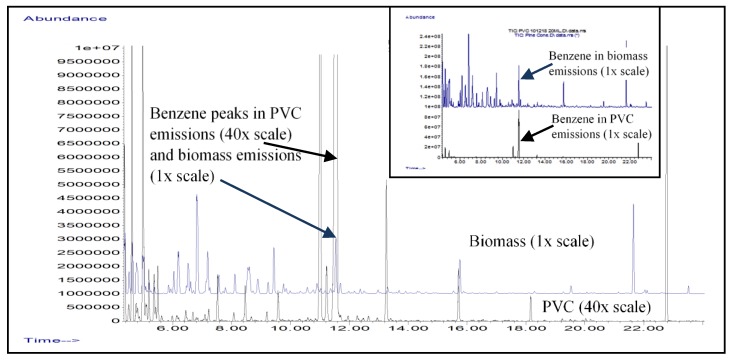
PET (polyethylene terephthalate) is also unsuitable: its oxygen-rich ester structure yields low oil, excessive solid char, and solid-forming byproducts such as benzoic and terephthalic acid that clog reactors, and it interacts with PVC to promote chlorinated organics [9][43].
For these reasons, commercial plastic-to-oil operations deliberately exclude PVC and PET from feed [9]. A feedstock that is genuinely mixed, unsorted, and contaminated, of the type the Plastoline proposition embraces, is therefore the worst case for both oil quality and emissions, exactly the opposite of the controlled, sorted, susceptor-dosed conditions under which the published high yields are obtained. This is the single largest unaddressed gap between the brand claim and the science.
 Beston Group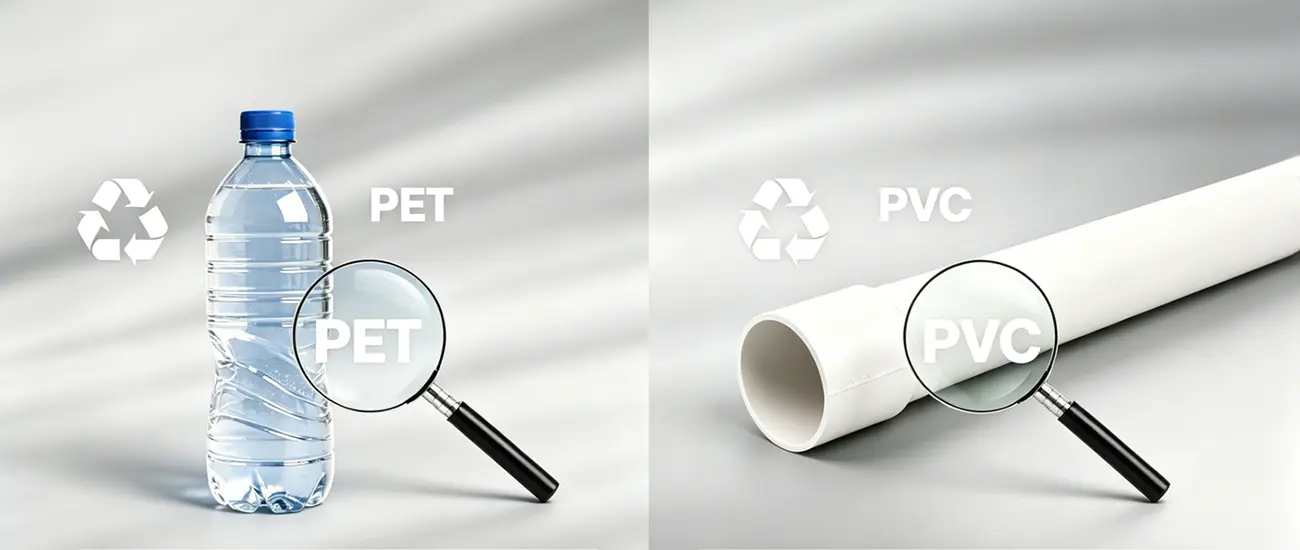
4.4 Product yields and composition
Across the MAP literature, the oil/gas/char split is a strong function of power, temperature, and feedstock. Higher microwave power and temperature generally raise gas yield at the expense of liquid beyond an optimum: for example, LDPE pyrolyzed at 800 W (about 590 degrees Celsius) yielded roughly 23 wt% liquid, while 900 W (about 640 degrees Celsius) pushed gas yield to about 83 wt% [1]. PS and PE/PP oils differ in carbon-number distribution, with PS skewing toward C8 to C9 aromatics (styrene, toluene, ethylbenzene, xylene, and condensed-ring aromatics) and polyolefins giving broader, more aliphatic distributions [7][36]. Catalysts such as ZSM-5 increase the gasoline-range aromatic fraction (one continuous-MAP study reported liquid with about 45 percent gasoline-range aromatics and about 25 percent isomerized aliphatics using a ZSM-5 secondary bed) but deactivate by coking and can require frequent regeneration [11].
4.5 Fuel quality and specification: octane, sulfur, chlorine, stability, and the raw-crude versus finished-fuel distinction
The most important conceptual point is that a raw pyrolysis liquid is a crude, not a finished transport fuel. Producing "a liquid that burns" is not the same as producing a fuel that meets ASTM D4814 (gasoline), ASTM D975 (diesel), or ASTM D1655 (Jet A/Jet A-1 turbine fuel) [34][44]. Finished fuels must meet specifications for octane or cetane, sulfur, volatility (Reid vapor pressure and distillation curve), oxidation stability and gum, olefin content, and trace contaminants [34][45]. Pyrolysis crudes are typically olefin-rich and therefore prone to gum formation and poor storage stability, often require stabilization additives, and, from mixed feed, can carry chlorine, oxygenates, and other heteroatoms [46][42].
Against this framework, the specific Plastoline fuel claims are labeled as follows.
Claim: The 110-octane figure traces to Brown's own statements and marketing, including a September 2025 social-media post and the venture website, and a video titled to explain "How did I get PLASTOLINE 110 Octane number?" [5][16][47]. It is not attributed to any named independent laboratory result in the sources reviewed. Technically, a high octane number is plausible in principle for a strongly aromatic pyrolysis liquid, because aromatics (benzene, toluene, xylenes) and branched and olefinic species have high research octane numbers, and PS-derived liquids are aromatic-rich [48][49]. But high aromaticity that raises octane is the same chemistry that raises toxicity and can violate gasoline aromatic and benzene limits. An octane claim is meaningful only when specified as RON or MON (or anti-knock index), measured by the ASTM D2699/D2700 engine methods, and reported with the full specification slate [49][35]. None of that is in the public record for Plastoline.
Claim: "Clean"/low-sulfur (asserted, and partly contradicted). Secondary coverage attributes a "low sulfur," "burns cleaner than diesel" characterization to a facility identified as ASAP Labs, but no numerical results (sulfur in ppm, chlorine, distillation, emissions) and no test-method citations are public; the characterization traces to the developer's own statements and SEO-style articles rather than to a published report [5][17]. Plastic pyrolysis oils from clean polyolefin feed can indeed be low in sulfur, so the claim is not implausible for a sorted feed; for a mixed, PVC-bearing feed it is doubtful, and at least one expert-sourced account notes that plastic-derived fuels can carry sulfur exceeding road-fuel standards [5][10].
Claim: No ethanol, extended shelf life (asserted, partially sound but incomplete). It is true that a hydrocarbon-only fuel contains no ethanol and therefore does not absorb water the way ethanol-blended gasoline (E10) does [17]. However, shelf life is governed at least as much by oxidation stability, and olefin-rich pyrolysis liquids are prone to gum formation on storage unless stabilized [46][45]. The no-ethanol claim is therefore literally true but does not establish good storage stability, which requires ASTM D525-type induction-period testing that is not in the public record [45].
Claim: Refinable to gasoline, diesel, and jet fuel (asserted; partially supported in principle, unproven at this scale). The literature confirms that pyrolysis oils can, after distillation and upgrading, yield naphtha/gasoline-range, diesel-range, and even aviation-range fractions; a peer-reviewed study explicitly examined microwave pyrolysis of PS for "aviation oil" [50]. But producing on-specification jet fuel is governed by ASTM D1655 and is far stricter than producing a combustible liquid; no evidence indicates Plastoline has been refined to, or tested against, any finished-fuel specification, let alone a jet-fuel specification [44][17].
The one independent analysis (measured, qualitative). In December 2024, three Plastoline samples were analyzed by GC-MS by Benjamin Katz, a staff scientist and proteomics specialist at the University of California, Irvine mass-spectrometry facility, who runs the channel "Mass Spec Everything" [4]. The analysis found high levels of styrene and BTEX compounds. Katz's recorded comments were a safety caution rather than a fuel endorsement: "You're basically making BTEX gas is essentially what you're doing here," followed by an urging of caution and proper personal protective equipment [4]. No quantitative concentrations were reported in available secondary sources. This is consistent with the expected chemistry of a PS-containing feed and underscores the toxicity and handling concerns rather than validating fuel quality [36].
4.6 Energy balance and EROI
The energy balance is where the strongest expert skepticism concentrates, and where the developer's own position is candid. Brown has publicly agreed that, consistent with thermodynamics, the energy input to pyrolysis exceeds the energy output, arguing instead that destroying otherwise-unmanageable plastic and recovering some usable products justifies the process [4].
Quantitatively, microwave assisted pyrolysis (MAP) energy efficiency is constrained by a chain of losses. Magnetron (microwave-generation) efficiency is generally about 0.5 to 0.67 for conventional magnetrons, with high-efficiency units exceeding 0.8 [12]. Microwave absorption efficiency of the load is imperfect; for weakly absorbing feeds without good susceptors, only on the order of 10 percent of electrical energy may reach useful reaction heat, and direct microwave pyrolysis can incur heat losses above 40 percent with overall energy efficiency below 40 percent [12][27]. Added to magnetron and coupling losses are the endothermic cracking duty, the heat of vaporization of the products, and the downstream energy of distillation and upgrading [10][27]. Well-designed laboratory continuous systems have reported favorable figures (one University of Minnesota scaled study reported about 5 MJ of electrical energy per kg of HDPE with a high total energy efficiency, and a cold-gas efficiency around 73 percent at 800 degrees Celsius for biomass), but these are optimized, instrumented, well-insulated systems, not salvaged-magnetron backyard reactors with a generator audibly running [11][4].
Conclusion on net energy: under realistic field boundary conditions, a salvaged-component, batch, backyard MAP system running partly on a fossil generator is very unlikely to be net-energy-positive on a full-system basis. The answer can shift toward marginally positive only under a narrow set of conditions: high-efficiency magnetrons, effective susceptors, good insulation, continuous operation, clean sorted feedstock, energy recovery from the pyrolysis gas, and genuinely renewable electricity for the whole duty cycle [11][12]. The Plastoline operation as publicly documented meets few of these [4].
4.7 Scale-up barriers
MAP scale-up faces physics-based obstacles that are well recognized in the review literature: microwave penetration depth is finite, so simply enlarging a reactor does not guarantee uniform volumetric heating; electric-field non-uniformity creates hot spots and cold zones; and maintaining uniform temperature across a large, heterogeneous, low-absorptivity plastic bed is difficult [2][3]. Reactor design, scalability, and hot-spot control are repeatedly identified as the key unresolved challenges [2]. The gap between a small multi-magnetron batch reactor and a continuous commercial plant is a engineering problem beyond scaling up. This is the same wall that better-funded commercial ventures have hit (Section 5).
4.8 Novelty assessment
Stated plainly: the underlying process chemistry of Plastoline is not novel. Microwave-assisted pyrolysis of plastics has been studied since at least the 2000s, and plastic pyrolysis broadly for decades; susceptor use (SiC, carbon), catalytic upgrading (ZSM-5, HY zeolite, metal oxides), and refining of pyrolysis crude into fuel fractions are all established [1][2][3][8]. Brown does not claim otherwise [18].
What is arguably distinctive in the Plastoline approach is not the chemistry but the packaging and intent: the explicit pairing of microwave heating with solar electricity for an off-grid, small-scale, community-deployable, mobile unit; the salvaged, low-cost reactor construction; and the open, social-media-documented iteration [16][4]. The venture's own materials describe the planned Mark V as "the world's first mobile, solar-powered, continuous microwave pyrolysis reactor" [16]. That specific configuration may be novel as an artifact, but novelty of configuration is not the same as novelty of capability: the configuration does not, on the available evidence, overcome any of the core constraints (susceptor dependence, net-energy deficit, feedstock contamination, field uniformity, finished-fuel specification) that define the field.
In short, the solar-microwave-mobile framing is a genuine if modest design novelty; the claimed performance is a repackaging of known process chemistry under a new name.
5. Economic and Market Dynamics
5.1 Commercial track record of plastic and microwave pyrolysis
The commercial history of plastic pyrolysis is, on the whole, a cautionary one, and it is the most directly relevant economic evidence for the Plastoline proposition. GAIA's 2020 investigation found that of 37 "chemical recycling" projects proposed in the United States since 2000, only 3 were operational (Agilyx, Brightmark, and New Hope Energy) and none had been proven to recover plastic to make new plastics at commercial scale [20]. Documented difficulties include the following.
Renewlogy (Salt Lake City): a high-profile Boise, Idaho, "Hefty EnergyBag" program shipped collected plastics more than 300 miles across the state line to the plant. The program faltered in part because the collected plastic contained roughly ten times the expected contaminated garbage; Renewlogy left the program in December 2020, after which the waste was diverted to fuel a cement plant [21][32].
Agilyx (Oregon): an early plastic-to-oil plant reportedly closed within about 16 months despite a state tax credit, and much of the firm's output has been reported as sent to combustion in cement kilns [21][20].
Brightmark (Ashley, Indiana): a roughly $260 million "Circularity Center" designed for 100,000 tonnes/year of mixed plastic was operating at only about 5 percent of nameplate capacity; three associated subsidiaries filed for Chapter 11 bankruptcy in March 2025 carrying approximately $178.35 million in secured debt, including $172.5 million in green bonds following a missed payment, and the facility was subsequently sold for a small fraction of its build cost [22][51].
Plastic2Oil/JBI: marketed an "unsorted, unwashed" plastic-to-ultra-low-sulfur-fuel process but became effectively inactive commercially [31].
The recurring causes are consistent: feedstock contamination, poor and variable unit economics, difficulty meeting product specifications, fragile revenue models, high capital intensity, and the gap between demonstration and continuous commercial operation [20][21][30]. Critics characterize the sector as expensive, energy-intensive, and dependent on subsidy [10][32].
5.2 Cost drivers and the value of output
The economics turn on capital intensity (reactors, microwave-generation equipment, condensation and distillation trains, emissions controls), operating costs dominated by energy and by susceptor and catalyst consumption and replacement, feedstock collection-sorting-cleaning costs, and the realizable value of output [3][30]. Pyrolysis crude trades at a discount to, and must compete with, conventional refinery streams and renewable fuels; absent the heavy upgrading needed to hit specification, its value is closer to a low-grade fuel oil or refinery feedstock than to finished gasoline [46][26]. The capacity of even large plants is minuscule relative to plastic-waste volumes: U.S. pyrolysis and chemical-recycling capacity has been estimated at roughly 120,000 tonnes/year against North American plastics production of tens of millions of tonnes [30].
5.3 The Plastoline venture's commercial posture
Plastoline is pre-revenue and pre-commercial. It is financed by a $100,000 climate-fellowship grant and by crowdfunding, is organized around a single inventor-operator, and is patent-pending [5][28][18]. The developer is reported to have claimed a 2023 provisional patent; U.S. provisional applications are not published by the USPTO, so no public application number is expected or was found, and one secondary claim that he declines to patent conflicts with the "patent pending" representation [18]. The venture's commercial readiness is therefore far below even the failed or struggling pilot-scale ventures above, which had orders of magnitude more capital and still could not achieve durable commercial operation [20][22]. Nothing in the public record indicates the Plastoline approach has solved the specific problems (contamination tolerance, net energy, specification compliance, continuous throughput) that defeated those better-funded efforts; the proposition largely restates the same plastic-to-fuel value claim at a smaller scale.
5.4 Competitive landscape
Relative to mechanical recycling, pyrolysis is more energy-intensive and, for plastic-to-fuel specifically, does not return plastic to the material loop [13][20]. LCAs find mechanical recycling generally preferable on climate metrics where it is feasible [14]. Relative to other chemical-recycling routes (plastic-to-plastic pyrolysis, solvolysis, depolymerization), plastic-to-fuel is the least circular because the carbon ends up combusted [20][26]. The strongest niche case for any PTF route is genuinely unrecyclable, contaminated, mixed plastic that would otherwise be landfilled, openly burned, or leaked, and where the displaced fuel and the avoided mismanagement are the relevant counterfactual [13].
6. Regulatory Landscape
The regulatory classification of pyrolysis is contested and consequential. In the United States, the EPA has stated it does not consider activities that convert plastic waste to fuels or energy to be recycling, and has expressed concern about impurities in pyrolysis oils, indicating it would require testing of new pyrolysis-oil chemicals under the Toxic Substances Control Act [33]. Separately, the classification of pyrolysis units under the Clean Air Act (whether certain units are "incineration"/municipal-waste-combustion units, or "manufacturing") has see-sawed: a 2020 proposal to carve pyrolysis out of the incinerator category was reversed in 2023, and the question has remained subject to further rulemaking and public comment [52]. The plastics industry (American Chemistry Council) advocates classification as manufacturing; environmental groups argue it is combustion-adjacent waste processing [52][20]. The outcome affects permitting stringency materially.
 Megan Quinn
For any fuel sold or used on-road, the output would need to meet the applicable fuel-quality specification (ASTM D4814 for gasoline, D975 for diesel, D1655 for jet) and, in the United States, would implicate fuel registration, excise-tax, and renewable-fuel-standard frameworks [34][35][44]. None of these is satisfied by a backyard demonstration.
Emissions, air-quality, and waste-handling permitting would apply to any scaled operation; the hazards of concern (HCl, dioxins/furans, PAHs, VOCs including the BTEX detected, and particulates) are precisely those that air permits and scrubber and control requirements exist to manage [41][9]. At informal, uncontrolled scale, these emissions are essentially unmanaged.
On environmental marketing, the FTC Green Guides govern claims such as "clean," "carbon-negative," and recyclability in the United States. The Guides require that environmental claims be substantiated by competent and reliable scientific evidence, that carbon-offset and carbon-benefit claims use appropriate accounting and not be overstated, and that unqualified claims not be deceptive [53][54]. A "carbon-negative" or "zero-emissions" representation for a fuel that is combusted, made by a process with a net-energy deficit and a fossil-generator input, would be difficult to substantiate under that standard and would be exposed to a deceptiveness challenge if the venture were commercial and making such claims in trade [53][13].
Because the venture is pre-commercial and single-operator, much of the formal regulatory apparatus has not yet engaged with it, and most of the above is governed by general precedent rather than venture-specific action. We state that plainly and keep the treatment proportionate.
7. Geopolitical and Strategic Dimensions
This dimension is genuinely thin for a single pre-commercial venture, and we treat it briefly and decline to manufacture a narrative the subject does not support. Two points are legitimately relevant. First, waste-to-fuel sits within the broader strategic framing of the circular economy and energy security: decentralized, off-grid fuel production from local waste has rhetorical appeal for resilience and for communities lacking waste infrastructure, which is part of the Plastoline framing's resonance [16][17]. Whether that appeal is technically warranted is the subject of the rest of this report. Second, global plastic-waste trade flows are a real strategic backdrop: after China's 2018 restrictions on imported plastic waste, exporting countries faced disposal pressure that has driven interest in domestic conversion technologies [25][24].
8. Risk Matrix
The following matrix summarizes the material risks. Likelihood and impact are qualitative judgments calibrated to the public evidence as of June 2026.
| Risk | Likelihood | Potential impact | Credible mitigations and rationale |
|---|---|---|---|
| Net-energy/thermodynamic deficit (system consumes more energy than the fuel delivers) | High | High to the value proposition: undermines climate and economic case | Use high-efficiency magnetrons (>0.8) and effective susceptors (SiC); recover and combust pyrolysis gas for process heat; insulate; run continuously; power fully from renewables. The developer concedes input exceeds output [4]; only a tightly engineered system can approach break-even [11][12]. |
| Safety: uncontrolled pyrolysis, HCl and dioxin formation from PVC-bearing feed, fire/explosion at informal scale | High | High: documented second-degree burns from a vapor-ignition explosion in 2024; toxic emissions | Vacuum/inert-atmosphere integrity; PVC/PET exclusion by sorting; HCl scrubbing; engineered condensation; professional PPE and ventilation; no open backyard operation. Vapor ignition and HCl/dioxin chemistry are well documented [4][39][41]. |
| Product-quality/end-use: off-specification fuel, engine or warranty damage, contaminant carryover | High | Medium to high: engine damage, voided warranties, unsafe handling | Test against ASTM D4814/D975/D1655; measure octane/cetane, sulfur, chlorine, olefins, stability (D525); stabilize olefin-rich crude; do not fuel third-party vehicles until on-spec. A combustible liquid is not a certified fuel; BTEX-rich, olefinic crude risks gum, corrosion, and abnormal combustion [4][34][46]. |
| Environmental/public-health: VOC/BTEX, PAH, dioxin/furan, particulate emissions; char and residue disposal | High at uncontrolled scale | High: carcinogen exposure, local air quality, hazardous residue | Emissions controls and monitoring; permitted operation; characterized char disposal. The detected toxics and PVC-derived dioxins are exactly what controls exist to manage; informal scale has none [4][9][41]. |
| Economic/scale-up: capital intensity, low throughput, unproven unit economics | High | High: likely non-viability at commercial scale | Independent techno-economic analysis; staged pilot with measured mass/energy balance; realistic feedstock-cost accounting. Better-funded peers (Brightmark, Renewlogy, Agilyx) failed on these same dimensions [20][21][22]. |
| Reputational/regulatory-claims: overstated "carbon-negative"/"clean"/octane claims | Medium to high | Medium: FTC Green Guides exposure; loss of credibility | Substantiate every claim with competent, reliable evidence; qualify or drop "carbon-negative" and unqualified "clean"; report measured specifications. Combusted-fuel plus net-energy deficit makes carbon-negative indefensible [53][13]. |
| Intellectual-property: patent-pending status and its limits | Medium | Low to medium: weak exclusivity; prior art abundant | Recognize that extensive MAP prior art limits patentability of core chemistry; seek protection only on genuinely novel configuration; do not represent provisional status as granted protection. The process is decades old; novelty is at most configurational [1][18]. |
9. Strategic Recommendations
9.1 For engineers, technical evaluators, and prospective investors
Credit nothing until a defined validation package exists. Specifically, require: (1) a closed mass balance for a representative run, reporting oil, wax, gas, and char yields by mass from a characterized feedstock; (2) a closed energy balance and EROI covering electrical input at the wall, magnetron efficiency, susceptor and dielectric losses, endothermic and vaporization duty, and downstream distillation and upgrading energy, set against the measured higher heating value of the product, with the generator contribution stated separately from solar; (3) independent, accredited-laboratory fuel analysis against the relevant ASTM specification, reporting octane by D2699/D2700 (not a self-reported number), sulfur, chlorine, olefins, distillation curve, and oxidation stability by D525; (4) a feedstock characterization showing actual polymer composition and contamination, with explicit accounting for PVC and PET; and (5) emissions characterization (HCl, dioxins/furans, PAHs, VOCs/BTEX, particulates) under operating conditions [34][35][9]. The benchmark that would change the assessment: a third-party-verified, continuous run on a defined feedstock that is simultaneously net-energy-positive on a full-system basis and produces an on-specification fuel with controlled emissions. Absent that package, treat the 110-octane, ten-pounds-per-gallon, carbon-negative, and 62-percent figures as unverified marketing [5][16].
 Editor Engineeringtoolbox
9.2 For sustainability advocates and policy actors
Weigh the proposition against the counterfactual that actually applies, and against the waste hierarchy. Where clean, sorted plastic can be mechanically recycled, LCAs generally favor that route on climate metrics, and plastic-to-fuel does not return material to the loop [14][13]. Reserve any credit for PTF to the narrow case of genuinely unrecyclable, contaminated, mixed plastic that would otherwise be landfilled, openly burned, or leaked, and even then insist on the displaced-fuel comparison and on emissions controls [13]. A combusted fuel produced by an energy-deficit process is, at best, a conditional global warming production (GWP) reducer, never net carbon removal [53][13]. Trace the "62 percent" reduction figure to its origin before using it: in secondary coverage it is presented as a general MAP-versus-conventional-methods figure, not a measured Plastoline result [5], and the broader LCA literature reports a wide and counterfactual-dependent range, for example roughly 28 to 31 percent reduction versus incineration for unwashed mixed-plastic pyrolysis in one Dutch pilot-based study [15], about 50 percent lower CO2-equivalent than energy recovery in another [14], and 60 to 94 percent in a German study, all relative to incineration, not to driving an internal-combustion engine on the product [13]. Channel enthusiasm for community innovation toward the parts of the problem with the best returns: source reduction, design for recyclability, and collection-and-sorting infrastructure [24].
9.3 For the developer and independent laboratories (validation pathway)
The credible path forward is incremental and transparent: partner with an accredited fuel laboratory and an independent process engineer; run a single, fully instrumented batch on a known, sorted feedstock; publish the complete mass and energy balance and the full fuel-specification slate, including the contaminants; and only then attempt continuous operation and mixed feedstock with emissions monitoring [34][9]. Reframing public claims to match what has actually been measured would both reduce regulatory exposure and increase the likelihood of attracting serious technical partners [53]. Prioritizing operator safety (vacuum integrity, PVC exclusion, ventilation, PPE) is a precondition for any of this, given the documented 2024 explosion and the BTEX findings [4].
Caveats
This assessment rests on a deliberate asymmetry of source quality. The technical, economic, and environmental claims are grounded in peer-reviewed literature, intergovernmental and government reports (OECD, EPA, FTC), and recognized think-tank and NGO assessments (GAIA). The Plastoline-specific claims are drawn from the venture's own materials, general-interest and trade press, and one independent GC-MS screen; the press is cited only as evidence of what is claimed, never as authority for whether a claim is true. Several figures central to the brand (110 octane, ten pounds per gallon, carbon-negative, 62 percent GWP reduction, "tested by industry professionals," ASAP Labs "diesel certification") could not be traced to any verifiable independent or peer-reviewed source and are labeled asserted accordingly; where a claim could not be substantiated, we have said so rather than repeating it as fact. Laboratory MAP results cited here are predominantly bench-scale and batch; invoking them to support deployment-scale or backyard-scale claims would be an error, and we have flagged the scale gap throughout. The venture's status is described as of June 2026 on the basis of a public record that is thin, fast-moving, and dominated by non-expert coverage; specific time-sensitive facts (funding totals, reactor generation, demonstration events) are dated where stated and may have changed.
References
[1] Zhang, Y., et al. 2026. "Microwave-Assisted Catalytic Pyrolysis of Waste Plastics for High-Value Resource Recovery: A Comprehensive Review." Processes 14 (3): 427.
[2] (Author group). 2025. "Microwave-Assisted Pyrolysis of Waste Plastics: A Comprehensive Review on Process Parameters, Catalysts, and Future Prospects." Cleaner Engineering and Technology (ScienceDirect, article S259012302501641X).
[3] Arshad, H., et al. 2024. "Microwave-Assisted Pyrolysis for Waste Plastic Recycling: A Review on Critical Parameters, Benefits, Challenges, and Scalability Perspectives." International Journal of Environmental Science and Technology 21: 5311.
[4] Salas, Joe. 2025. "Turning Plastic into Gasoline: Backyard Alchemy or TikTok Hype?" New Atlas, June 23.
[5] "Julian Brown's Plastoline Fuel Powers Car Engine Using Plastic Waste." 2025. HypeFresh, October.
[6] Suriapparao, D. V., et al. 2018. "Pyrolysis of Polystyrene Waste in the Presence of Activated Carbon in Conventional and Microwave Heating Using Modified Thermocouple." Waste Management (ScienceDirect, article S0956053X18301715).
[7] (Author group). 2024. "Oil Recovery from Microwave Co-Pyrolysis of Polystyrene and Polypropylene Plastic Particles for Pollution Mitigation." Environmental Pollution (ScienceDirect, article S0269749124009540).
[8] (Author group). 2023. "A Review on the Microwave-Assisted Pyrolysis of Waste Plastics." Processes 11 (5): 1487.
[9] Beston Group. n.d. "Why PET and PVC Are Not Suitable for Pyrolysis?" Industry analysis (corroborated by peer-reviewed reviews on mixed-waste-plastic pyrolysis oil yields and chlorine limits).
[10] Rollinson, Andrew. 2018. "Why Pyrolysis and 'Plastic to Fuels' Is Not a Solution to the Plastics Problem." Lowimpact.org, January 23.
[11] Chen, Y. (University of Minnesota). 2021. "Scaling Up Catalytic Microwave-Assisted Pyrolysis for Energy Production from Biomass and Plastic Wastes." University of Minnesota Digital Conservancy.
[12] (Author group). 2024. "Microwave Catalytic Pyrolysis of Biomass: A Review Focusing on Absorbents and Catalysts." npj Materials Sustainability 2: 27.
[13] Jeswani, H., et al. 2021. "Life Cycle Environmental Impacts of Chemical Recycling via Pyrolysis of Mixed Plastic Waste in Comparison with Mechanical Recycling and Energy Recovery." Science of the Total Environment (ScienceDirect, article S0048969720380141).
[14] Davidson, M. G., et al. 2022. "Plastics to Fuel or Plastics: Life Cycle Assessment-Based Evaluation of Different Options for Pyrolysis at End-of-Life." Waste Management (ScienceDirect, article S0956053X22004238).
[15] (Author group). 2025. "Pyrolysis of Dutch Mixed Plastic Waste: Lifecycle GHG Emissions and Carbon Recovery Efficiency Assessment." Sustainable Production and Consumption (PMC12301508).
[16] NatureJAB. 2026. "Ending Plastic Waste by Turning It into Energy" and "About." naturejab.com (accessed June 2026).
[17] "A 21-Year-Old Says He Made Gasoline from Plastic Trash." 2025. OkDiario (English edition).
[18] "Fact Check: Julian Brown Did NOT Invent the Pyrolysis Method to Convert Plastic Waste into Usable Fuel." 2025. Lead Stories / Yahoo News, July.
[19] Levinson, Ava. 2025. "Who Is Julian Brown?" Inc., July 31.
[20] Global Alliance for Incinerator Alternatives (GAIA). 2020. All Talk and No Recycling: An Investigation of the U.S. "Chemical Recycling" Industry. July 28.
[21] Tabuchi, Hiroko, et al. (Reuters). 2021. "The Recycling Myth." Reuters Investigates, July.
[22] "Brightmark's Subsidiaries Declare Bankruptcy Amid Chemical Recycling Debt Crisis." 2025. ChemAnalyst, March.
[23] OECD. 2022. Global Plastics Outlook: Economic Drivers, Environmental Impacts and Policy Options. Paris: OECD Publishing.
[24] OECD. 2022. Global Plastics Outlook: Policy Scenarios to 2060. Paris: OECD Publishing.
[25] Maqsood, T., et al. 2021. "Pyrolytic Conversion of Plastic Waste to Value-Added Products and Fuels: A Review." (PMC8157045).
[26] Rollinson, Andrew N., and Jumoke M. Oladejo. 2020. Chemical Recycling: Status, Sustainability, and Environmental Impacts. GAIA Technical Assessment, June.
[27] (Author group). 2024. "Microwave Pyrolysis of Various Wastes and Analysis of Energy Recovery." Bioresource Technology Reports (ScienceDirect, article S2589014X24000628).
[28] "776 Foundation." Inside Philanthropy (accessed June 2026); Fast Company. 2022. "Alexis Ohanian Wants to Give You $100,000 to Work on Climate Solutions."
[29] CBS News. 2022. "Reddit Co-Founder Alexis Ohanian Turns His Focus to Climate Solutions."
[30] Tullo, Alexander H. 2022. "Amid Controversy, Chemical Companies Bet on Plastics Pyrolysis." Chemical & Engineering News 100 (36).
[31] JBI, Inc. / Plastic2Oil, Inc. 2010–2016. SEC filings (Forms 8-K), EDGAR.
[32] Beyond Plastics and IPEN. 2023. Chemical Recycling: A Dangerous Deception. October.
[33] Cusick, Marie (Inside Climate News). 2023. "Environmentalists Want the FTC Green Guides to Slam the Door on the 'Chemical' Recycling of Plastic Waste." May 1.
[34] ASTM International. ASTM D4814, Standard Specification for Automotive Spark-Ignition Engine Fuel. West Conshohocken, PA.
[35] U.S. Federal Trade Commission. 2016. "Automotive Fuel Ratings, Certification and Posting." Federal Register, January 14.
[36] (Author group). 2024. "The Influence of Plastic Pyrolysis Oil on Fuel Lubricity and Diesel Engine Performance." (PMC10964204).
[37] (Author group). 2022. "Conversion of Plastic Waste into Fuel Oil Using Zeolite Catalysts in a Bench-Scale Pyrolysis Reactor." (PMC8982165).
[38] (Author group). 2021. "In-Depth Exploration of the Energy Utilization and Pyrolysis Mechanism of Advanced Continuous Microwave Pyrolysis." Applied Energy (ScienceDirect, article S0306261921004190).
[39] (Author group). 2023. "Comparative Study on Pyrolysis Behaviors and Chlorine Release of Pure PVC Polymer and Commercial PVC Plastics." Fuel (ScienceDirect, article S0016236123001680).
[40] Wu, J., et al. 2020. "Releases of Fire-Derived Contaminants from Polymer Pipes Made of Polyvinyl Chloride." (PMC6958356).
[41] (Author group). 2015. "Dioxins and Polyvinylchloride in Combustion and Fires." Waste Management & Research 33 (8).
[42] (Author group). 2025. "PVC Waste to Fuel: Pyrolysis Oil Upgrading through Catalytic Hydrodechlorination." Energy & Fuels (ACS, doi 10.1021/acs.energyfuels.6c00289).
[43] (Author group). 2021. "Migration of Chlorinated Compounds on Products Quality and Dioxins Releasing During Pyrolysis of Oily Sludge with High Chlorine Content." Fuel (ScienceDirect, article S0016236121016240).
[44] ASTM International. ASTM D1655, Standard Specification for Aviation Turbine Fuels. West Conshohocken, PA.
[45] Engineering ToolBox. n.d. "Petroleum Products: Standard Test Methods (ASTM) and Specifications" (ASTM D525 oxidation stability; D1319 hydrocarbon types).
[46] U.S. Patent and Trademark Office. "Stabilizer Additives for Plastic-Derived Synthetic Feedstock." Patent document 12304888.
[47] Brown, Julian (@Naturejab). 2025. "MY FUEL IS 110 OCTANE FROM FREAKING PLASTIC WASTE." X (formerly Twitter), September 6.
[48] SUSTAIN Fuels. n.d. "What Is 110 Octane Fuel?" Educational explainer (corroborated by ASTM RON/MON definitions).
[49] "Research Octane Number" and "Octane Number." ScienceDirect Topics (overview entries summarizing peer-reviewed sources).
[50] (Author group). 2021. "Microwave-Assisted Pyrolysis of Polystyrene for Aviation Oil Production." Journal of Analytical and Applied Pyrolysis (ScienceDirect, article S0165237021004113).
[51] "Feds Will Consider Regulating Chemical Recycling Sector." 2021. Resource Recycling, September 29.
[52] "US EPA Seeks Comments on Plan to Remove Pyrolysis from Air Emissions Rule." 2025. Waste Dive.
[53] U.S. Federal Trade Commission. 2012. Guides for the Use of Environmental Marketing Claims (16 CFR Part 260, "Green Guides").
[54] U.S. Federal Trade Commission. 2022. "FTC Seeks Public Comment on Potential Updates to Its 'Green Guides' for the Use of Environmental Marketing Claims." Press release, December.