Beyond the Gear: 5 Survival Truths That Actually Matter
Real preparedness isn't about the best equipment. Discover the critical mindset, fitness, and planning skills that truly ensure survival.

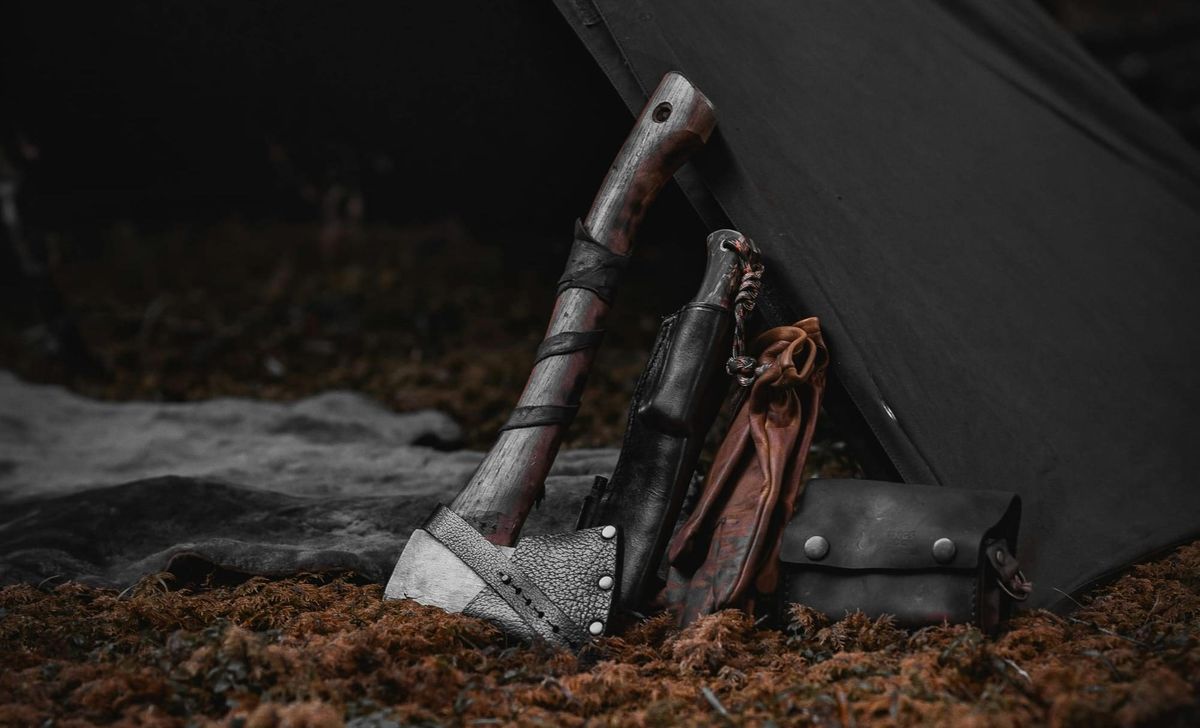
Farren Prep - Worst Case Scenario Episode 1 - Podcast
Beyond the Gear: The Truth of Real-World Preparedness
In the world of preparedness, it's easy to get lost in the allure of the latest equipment. We spend countless hours researching the perfect tools, assembling kits, and planning for the most extreme scenarios. But a recent podcast cuts through the noise, offering a powerful reality check on what truly matters when a crisis hits. It's a conversation less about the gear you carry and more about the mindset, skills, and principles that will actually see you through.
The Foundation: Your Home is Your Fortress
The single most important takeaway is this: for the vast majority of situations, your primary plan should always be to stay put. "Bugging in" isn't a passive choice; it's a strategic advantage. Your home is your pre-stocked shelter, a place where you have supplies, familiarity, and security. The idea of heading for the hills should be viewed as a last resort, a desperate move taken only when staying put is demonstrably more dangerous than leaving.
Why? Because once you leave, every single thing becomes harder. You trade the security of a known location for the extreme vulnerability of being on the move. As the speakers in the podcast aptly put it,
"Every single thing is going to become harder for you moving forward."
 John D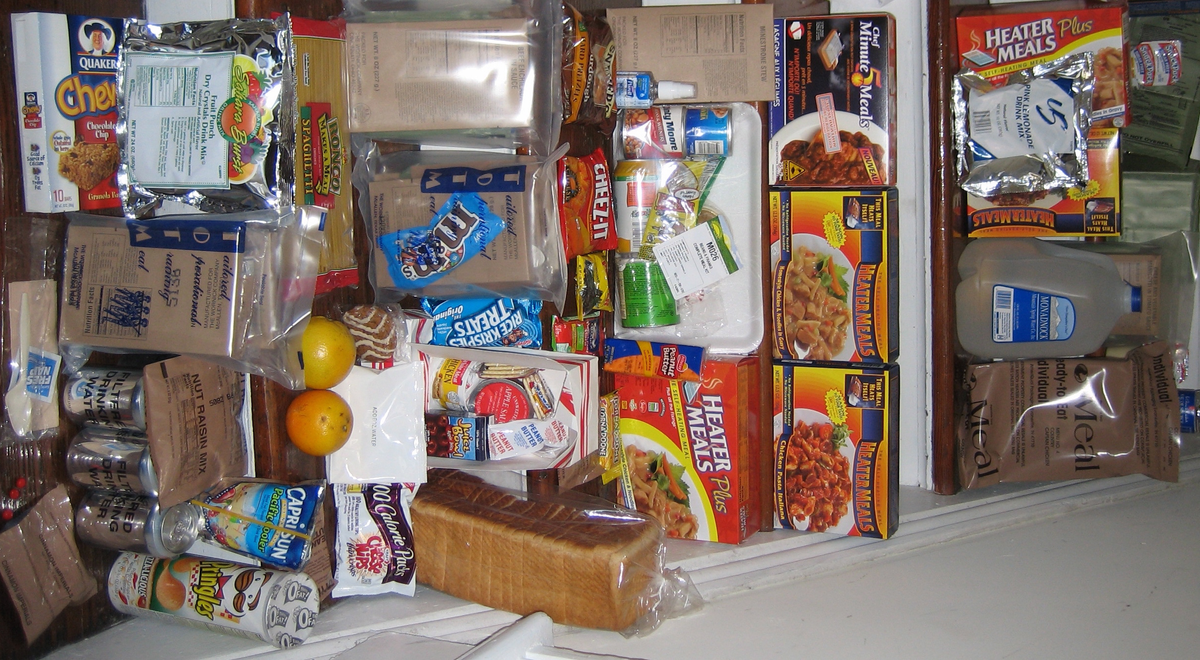
Your Most Critical Tool: Your Health
Before you even think about zeroing a rifle or organizing gear, the conversation emphasizes one non-negotiable: physical fitness. All the supplies in the world are useless if you lack the physical capability to use them.
This isn't about becoming a bodybuilder; it's about functional endurance. Can you carry your pack over a distance? Can you lift what needs to be lifted? Can you handle the physical and mental stress of a difficult situation without becoming a liability to yourself or others? The mantra is simple and direct: "Be fit or die." Your body is your most essential piece of equipment; maintain it accordingly.
John D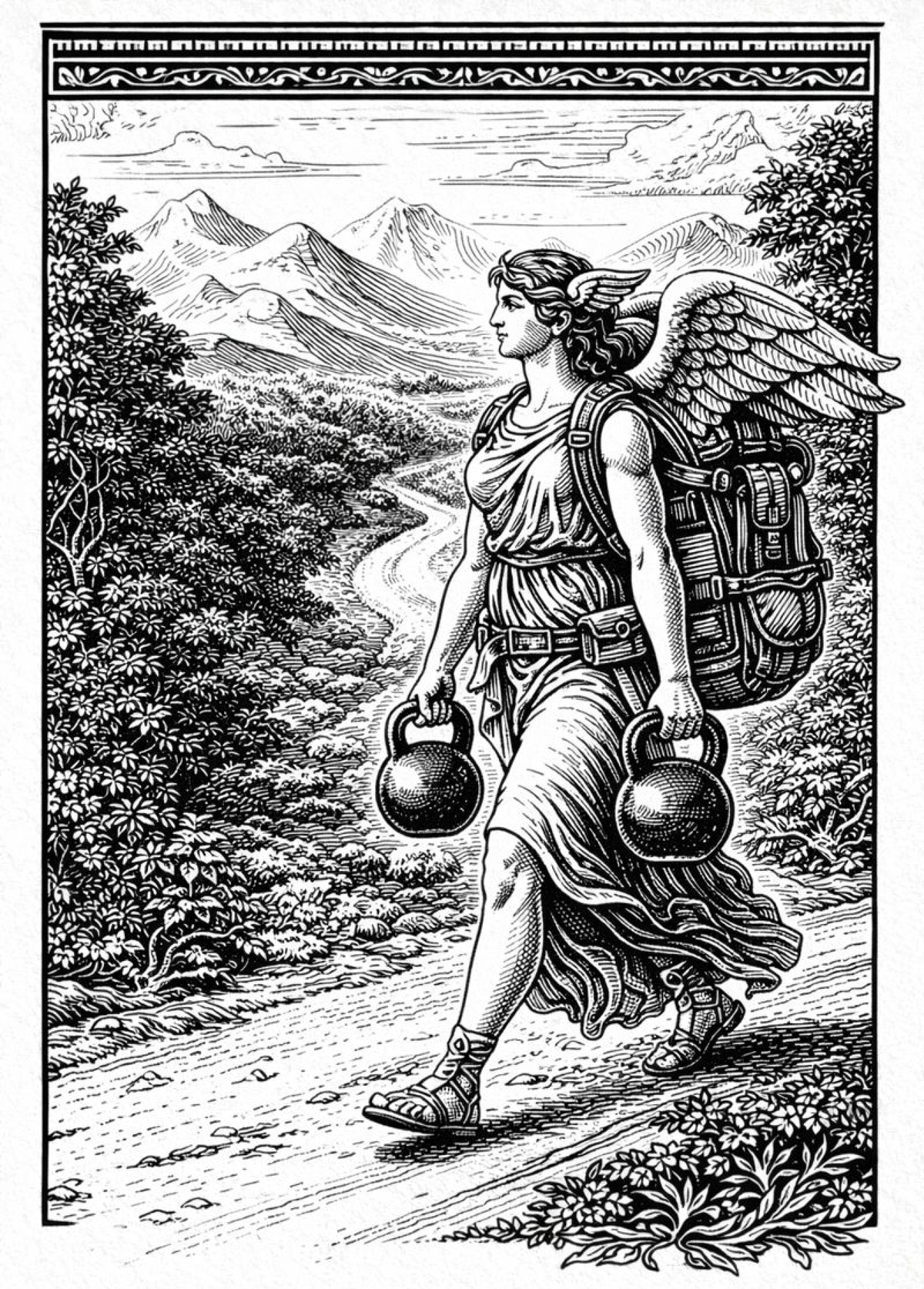
The Life-Saving Priority: Medical Preparedness
One of the most powerful points made is the emphasis on medical knowledge over other skills. The recommendation is to focus on medical before you focus on almost anything else. A simple tourniquet in your pocket is infinitely more valuable than a piece of gear you might never get to use.
The logic is stark: you are far more likely to need to stop a bleed on yourself or someone else than you are to need to use a rifle in self-defense. The speakers advise carrying at least basic medical supplies at all times, in your car, in your bag, or even just in your pocket. Crucially, they also warn against carrying advanced medical items you aren't trained to use. Know your limits. A well-stocked basic kit you know how to use is better than an advanced kit that will only make things worse.
John D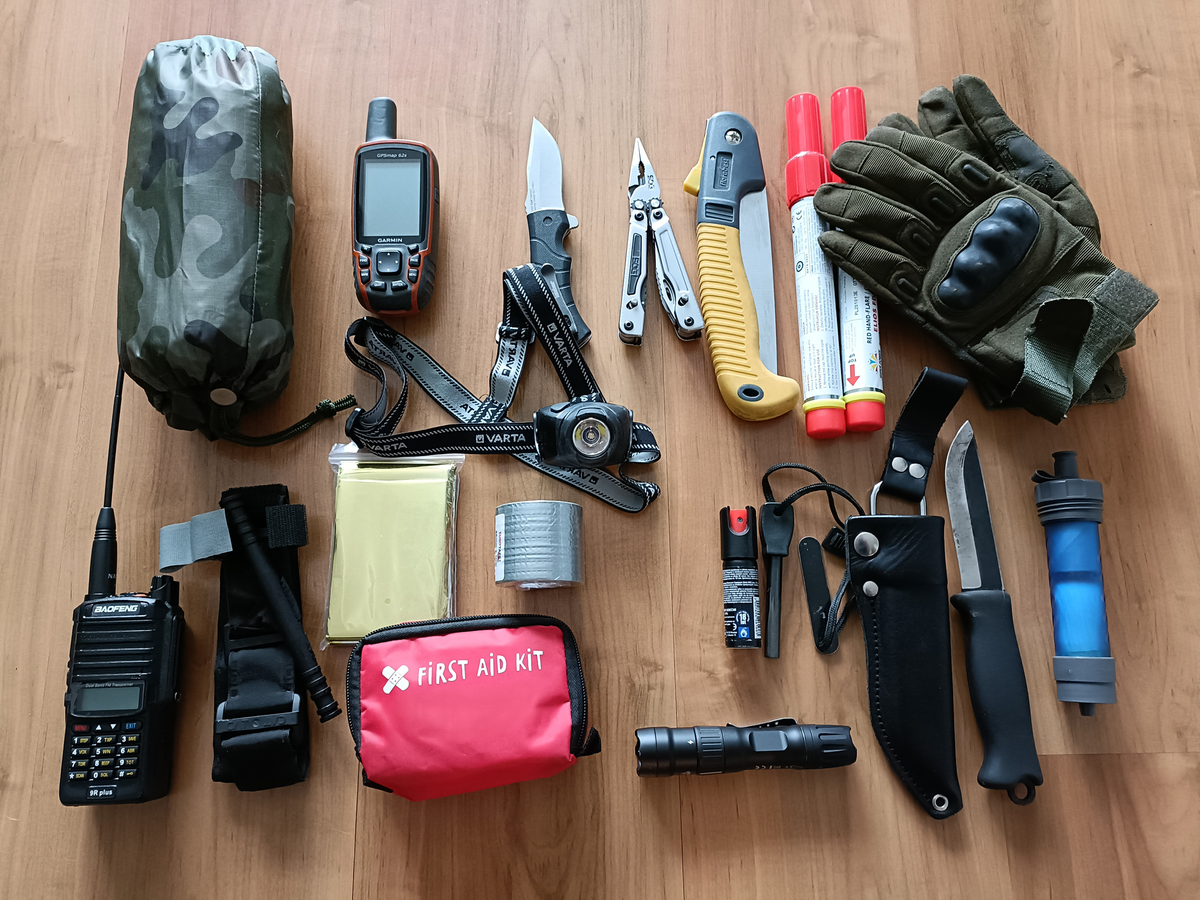
The Power of People: Ditch the Lone Wolf Myth
Perhaps the most overlooked aspect of preparedness is the community. The idea of the rugged individual surviving alone is a dangerous fantasy. The podcast strongly advocates for building a reliable team.
"I would much rather have a set of hands than a spare rifle,"
A group of people you can trust, even if they aren't experts, is a massive force multiplier. Different people bring different skills, whether it's mechanical knowledge, medical training, or simply the ability to help carry a load or provide security in shifts. If you're alone and you roll your ankle, your journey is over. If you're with a team, you can help each other through the setback and continue on.
The Plan is More Important Than the Destination
This leads to the most common and critical mistake people make: having no real plan beyond "head for the woods." This isn't a plan; it's a recipe for disaster. A proper plan involves:
- A Pre-Planned Destination: Have a specific, viable place to go. Whether it's a relative's house or a remote cabin, know where you're headed.
- Multiple Routes: Don't rely on a single road or path. Have primary and secondary routes planned out.
- Staged and Tested Gear: Your gear should be packed and ready, but more importantly, you should have tested it. Go on a practice hike with your pack. Wear your boots. Make sure you know how to use your equipment before your life depends on it.
Simplicity and Reality Over Fantasy
Finally, the conversation is a powerful reminder to keep things simple and realistic. Overpacking is a common and dangerous error. The phrase "ounces equal pounds, and pounds equal pain" is a fundamental truth. A heavy, overburdened pack will slow you down, exhaust you, and make you ineffective.
Focus on what you will actually use, not what looks good in a picture. A simple, reliable tool you know how to use is always better than a complicated, heavy one you don't. This applies to everything from your pack to your choice of equipment. The goal isn't to look like you're prepared; the goal is to be prepared.
In the end, true preparedness isn't about the gear you collect. It's about cultivating a mindset of practicality, building your physical capability, fostering a community, and creating realistic plans. It's about being ready for the challenges of Tuesday, not just fantasizing about doomsday.
Prepare for Tuesday, not Doomsday.
Thank you to Farren Prep and the Worst-Case Scenario Podcast