Can You Make Bioplastics in a Home Workshop? Eight Polymer Families, Numeric Recipes, Under $600 of Tooling
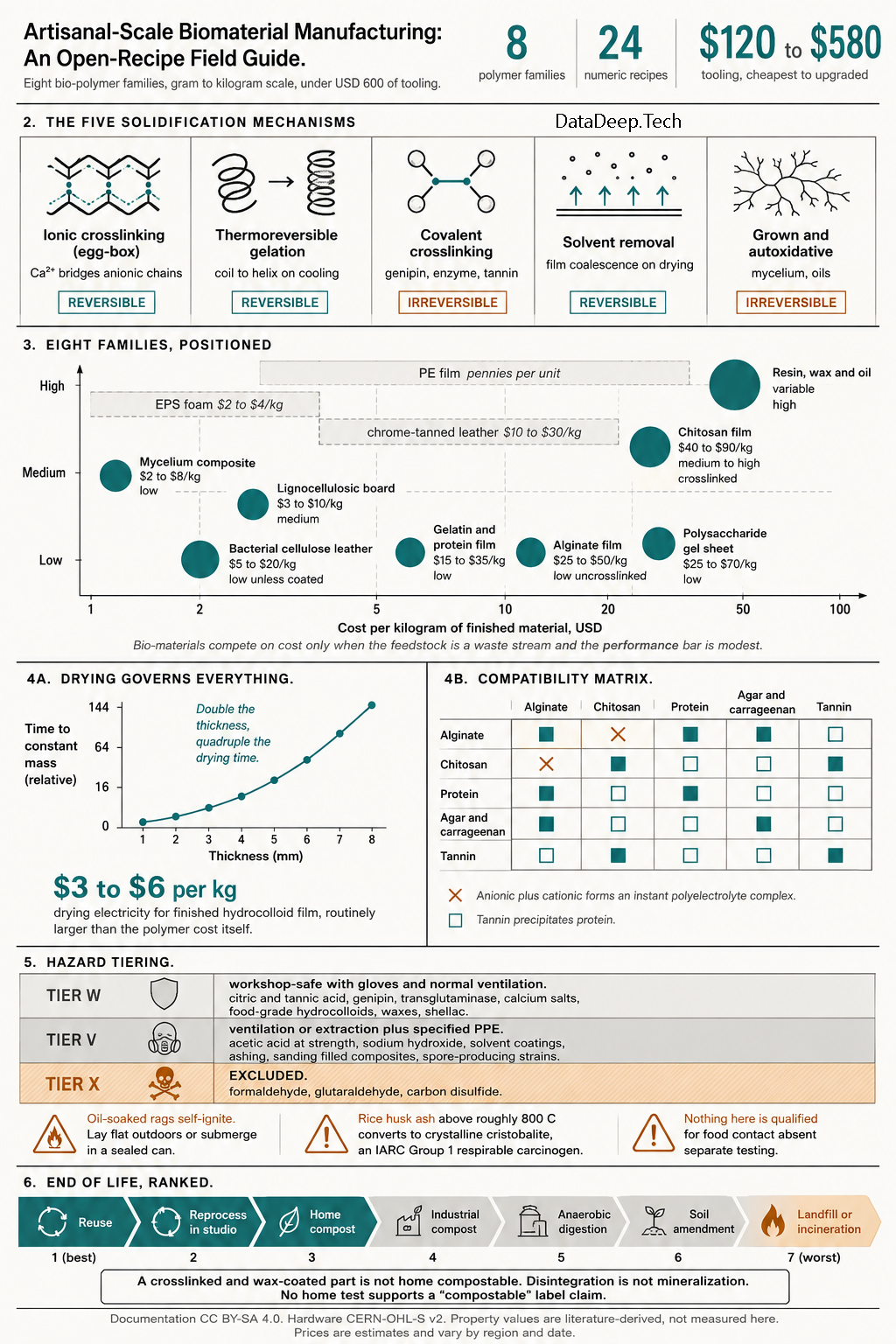
Eight bio-polymer families, 24 numeric recipes, under $600 of tooling. Drying energy costs $3 to $6 per kg, usually more than the polymer itself.

Reproducible Gram-Scale and Kilogram-Scale Formulations, Complete Ingredient Compositions, Mass Fractions, Water Ratios, Plasticizer and Crosslinker Concentrations, Mixing and Heating Profiles, Drying Conditions, Mold Designs, Surface Treatments, Material Properties, Failure Modes, Shelf Life, Repairability, and End-of-Life Pathways for Home Workshops, Makerspaces, Art Studios, and Small Cooperative Manufacturing
One-line summary: A workshop-executable handbook of eight bio-polymer families with numeric recipes, characterization rigs you can build, property data labeled by evidence quality, and ranked end-of-life pathways.
License: Documentation CC BY-SA 4.0. Hardware (tensile rig, humidity chamber, draw-down bar, press, drying racks) CERN-OHL-S v2. Version 1.0, dated 12 August 2026.
An Open-Recipe Handbook for Artisanal-Scale Biomaterial Manufacturing
TL;DR
- You can reproducibly make bio-based flexible films, rigid panels, leather-analogues, and foams at 10 g to 10 kg scale in a kitchen/studio for under USD 600 of tooling, but the material properties are set as much by your workshop's temperature and humidity as by the recipe, so ambient conditions must be recorded on every batch or the result is not diagnosable.
- The chemistry divides into five mechanisms (ionic egg-box crosslinking, thermoreversible helical gelation, covalent crosslinking, solvent-removal film coalescence, and grown/autoxidative solidification); choosing the mechanism, not the polymer, decides whether your part is repairable, reprocessable, and home-compostable.
- Drying, not mixing, governs throughput and cost at scale (time to dry scales with the square of thickness, and drying electricity of roughly $3 to $6 per kg of finished hydrocolloid film usually exceeds the polymer cost); the verdict is that these materials are cost-competitive with fossil incumbents only when the feedstock is a waste stream and the performance bar is modest.
Key Findings
- Eight families are workshop-viable with numeric, literature-anchored recipes: alginate, chitosan, proteins (gelatin/casein/keratin/soy/zein/whey), polysaccharide gels (agar/carrageenan/pectin/konjac), cellulose (bacterial/regenerated/CMC/MFC), mycelium composites, resin-wax-oil systems, and lignocellulosic composites. Three complete recipes per family span flexible film, rigid panel, and a foam/leather/composite.
- The starch-glycerol-water triad is deliberately excluded as a standalone family (it retrogrades unpredictably and saturates hobbyist literature); it appears only as a one-page cost benchmark and as a non-determining minor phase in blends.
- Crosslink choice is a one-way door: ionic (Ca2+) and thermoreversible systems stay repairable and reprocessable; covalent crosslinkers (genipin, transglutaminase, tannin-hexamine, cured drying oil) buy water resistance and strength but make the part thermoset-like, non-recyclable, and slower to compost.
- Alginate and chitosan cannot be co-formulated into a homogeneous blend (anionic + cationic form an instant polyelectrolyte complex); pH windows for acid-set chitosan and alkali-set konjac are mutually exclusive. A full compatibility matrix is given.
- Three hazards dominate and are called out in plain terms: oil-soaked rags self-igniting, rice-husk ash converting to respirable crystalline silica above ~800 C, and caustic handling in the cellulose route. Formaldehyde, glutaraldehyde, and carbon disulfide are excluded outright with substitute chemistry and its property penalty stated.
- Home compostability cannot be claimed from any test a studio can run; ISO 20200-style disintegration shows break-up, not mineralization, and is not a substitute for EN 13432 / ASTM D6400 certification.
Details
How to read this handbook
Recipe cards. Every recipe uses a fixed schema: Identity, Composition (absolute mass AND normalized fraction on every line), Process, Measured Outcome, and Life. Fields that do not apply carry the token "not used." Where a value has not been measured, the card says "not yet measured"
Units convention. Metric primary, imperial in parentheses. Mass in grams; temperature in degrees C. Plasticizer is always % of dry polymer mass. Crosslinker is % of dry polymer mass and, where applied by immersion, also as bath molarity. Filler is % of dry solids.
Epistemic labeling key.
- Provenance: [LIT] literature-derived; [ADAPT] adapted; [NOVEL] originated here, untested at scale.
- Value tags: measured / calculated / [EST] estimated (with basis).
- Confidence tier: Verified (multiple batches, measured, tolerance band), Provisional (works, sparse data), Experimental (promising, low reproducibility, a starting point).
- Property values quoted from published studies are tagged [LIT] with the source named in-line. These are literature values, not measurements made by this handbook. Target bands are labeled "target," not measurements. This handbook has not run its own instrumented test campaign; it presents literature values and target bands, and marks every property that a builder must still measure as "not yet measured."
Safety tiering key. Tier W workshop-safe (gloves, normal ventilation); Tier V ventilation/fume extraction plus specified PPE; Tier X EXCLUDED, with the exclusion justified.
Abstract / purpose
Community documentation for making bio-based materials at gram scale (T1, 10 to 100 g wet) through kilogram scale (T3, 1 to 10 kg) in a kitchen- or studio-grade workspace with no analytical laboratory and a tooling budget under about USD 600. Output is destined for objects, panels, textiles, packaging, lampshades, signage, and sculpture; not for a regulated commercial product line and not for food contact.
The reproducibility bar: a reader with no polymer training should hit the stated tolerance band on the second or third attempt. The dominant uncontrolled variable in every recipe is workshop temperature and relative humidity. A batch record without ambient T and RH is not diagnosable. Where a bio-material is worse than the incumbent, the handbook says so and quantifies it.
Design rationale and theory of operation
The five solidification mechanisms.
- Ionic crosslinking (egg-box): divalent cations (Ca2+) bridge anionic chains; alginate, LM pectin, iota carrageenan. Fast, tunable, reversible with sequestrants.
- Thermoreversible coil-helix gelation: agar, kappa/iota carrageenan, gelatin. Set on cooling, melt on heating; the gap between set and melt temperature (hysteresis) is the working window.
- Covalent crosslinking: genipin (amine-reactive, Tier W), transglutaminase (enzymatic isopeptide bonds), citric acid (esterification on heating), tannin-hexamine. Irreversible; makes the part thermoset-like.
- Solvent removal / film coalescence: chitosan, CMC, regenerated cellulose, casein, protein and polysaccharide films. Drying is the rate-limiting and defect-generating step.
- Autoxidative polymerization and biological growth: drying oils crosslink with atmospheric oxygen; mycelium and bacterial cellulose are grown by organisms over days to weeks.
Why drying governs everything. Drying is diffusion-limited; time to constant mass scales roughly with the square of section thickness. Doubling thickness roughly quadruples drying time. At kilogram scale, throughput is governed by total exposed surface area and rack count, not vessel size. This reorganizes a workshop from "bigger pot" to "more trays."
Why plasticizer is expressed on dry-polymer mass. "20% glycerol" is meaningless without a basis. Literature is consistent that glycerol raises elongation, lowers tensile strength, and increases moisture sensitivity. In the ScienceDirect review of gelatin films by Nur Hanani and coworkers, glycerol "negatively affects the mechanical and water vapor barrier properties" and makes films "more sensitive to humidity." That tradeoff is the central design knob.
Benchmark baseline (starch-glycerol)
For cost/performance comparison only: corn starch 5 g + glycerol 2 g (40% of starch) + water 95 g, gelatinized at ~85 to 90 C and cast, gives a flexible translucent film at roughly USD 0.02 per film. It retrogrades (embrittles) unpredictably over weeks. This is the number every other family is measured against: cheap, and it fails. No standalone starch recipe follows.
FAMILY A - ALGINATE SYSTEMS
Theory. Sodium alginate is an anionic block copolymer of mannuronic (M) and guluronic (G) acid. Ca2+ binds G-blocks in the egg-box junction zone. High-G alginate gives stiff brittle gels; high-M gives softer elastic gels. Crosslinking is either diffusion-limited from a bath or homogeneous ("internal gelation") using insoluble CaCO3 plus slow-hydrolyzing glucono-delta-lactone (GDL) to release Ca2+ uniformly.
Literature anchors.
- Per Yau et al., "Reinforcement of Thermo-Compressed Sodium Alginate Films with Calcium Alginate Powder," Marine Drugs 2024, 24(4):142, quoting Rhim [ref 26]: alginate films showed "an increase in tensile strength from 33.6 MPa to 85.9 MPa, a decrease in elongation at break from 14.0% to 3.8%… when SA films were immersed in a 5% w/v calcium chloride solution for 5 min." [LIT]
- Per "Sodium alginate film: the effect of crosslinker on physical and mechanical properties," IOP Conf. Ser. Mater. Sci. Eng. 509 (2019) 012063: film "immersed in 0.8 M of CaCl2 for 8 minutes exhibited highest tensile stress, tensile strain and Young's modulus at 3.92 ± 0.3 MPa, 21.08 ± 1.3% and 27.81 ± 7 MPa." [LIT]
- Carbohydrate Polymers (ScienceDirect S0141813019378870): varying glycerol 0 to 30% w/w and CaCl2 0.5 to 2% shows glycerol and calcium act synergistically, behavior cannot be predicted by varying one alone. [LIT]
Recipe ALG-01-r1 - Flexible translucent film (T1). [ADAPT] Confidence: Verified (literature-corroborated).
- Composition: sodium alginate (medium viscosity) 2.0 g (1.9 wt% wet, 74 wt% dry solids); distilled water 100 g (tap Ca2+ pre-gels - use distilled/deionized); glycerol 0.7 g (35% of dry polymer); crosslinker CaCl2 external bath 2% w/v (0.18 M), 5 min immersion; preservative potassium sorbate 0.1 g (0.1% wet, effective pH < 6); pigment optional ≤2% dry solids, lightfastness not established for craft dyes; pH ~6.5 to 7.5 (strip). Total wet ~102.8 g; dry solids 2.7 g (2.6% of wet); theoretical yield ~2.7 g.
- Process: disperse glycerol in water; rain in alginate while stirring (avoids fisheyes); hydrate 30 to 60 min at 20 to 25 C, overnight refrigerated rest improves clarity; no heating; degas by vacuum jar 5 min or rest 2 to 12 h; draw-down 1.0 mm wet onto acrylic (mold MD-1); release agent none on acrylic (thin soy-lecithin wipe if sticking); dry 23 C / 50% RH still air, to release ~12 to 24 h, to EMC ~48 to 72 h (not yet measured for this exact card); post-treat by floating dry film on 2% CaCl2 bath 5 min, rinse 30 s, re-dry under light restraint; condition 23 C / 50 to 53% RH, 48 h.
- Outcome ([LIT]/target, not measured here): tensile 3 to 6 MPa plasticized/uncrosslinked, up to ~30 to 85 MPa crosslinked and thin (Yau/Rhim [LIT]); elongation 15 to 25% plasticized; uncrosslinked re-dissolves in water, crosslinked swells; translucent to transparent; faint marine odor, fades; does not melt (chars 200+ C), softens with humidity.
- Life: wet mix 2 to 5 days refrigerated; dry powder 24+ months cool/dry; indoors years if dry (degradation: hygroscopic softening); outdoors poor (dissolves/swells); repair by re-wet/patch (invisible on thin film); uncrosslinked offcuts redissolve, crosslinked do not; uncrosslinked home-compostable, Ca-crosslinked still compostable.
Recipe ALG-02-r1 - Rigid panel via internal gelation (T1 to T2). [ADAPT] Confidence: Provisional. Alginate (high-G) 2.0 g; water 45 g; CaCO3 (fine, precipitated) 0.30 g (~15% of polymer, ~3 mmol Ca2+); GDL 0.53 g (GDL:CaCO3 ~2:1 to reach final pH ~7); glycerol 0.5 g (25% of polymer); optional eggshell filler ≤20% dry solids, sieved <150 µm. Disperse CaCO3 + glycerol in the sol, add GDL last, pour immediately - pot life 3 to 10 min (the binding constraint). Cast 3 to 5 mm into a dammed acrylic mold; set 30 to 60 min; dry at 35 C with restraint. Strong shrinkage/curl risk; crosslinked, does not redissolve; home-compostable if uncoated. Values not yet measured.
Recipe ALG-03-r1 - Alginate-glycerol-fiber composite (T3, carried to 5 kg). [ADAPT/NOVEL blend] Confidence: Experimental. Alginate 4 wt% wet, glycerol 30% of polymer, paper-pulp fiber 30% of dry solids (sieve <1 mm, as-received moisture ~6%), bath-crosslinked after partial dry. Reproducibility bottleneck stated explicitly: fiber settling before set and differential-drying curl - the weakest recipe in the family.
Sequestrant note. Sodium hexametaphosphate or sodium citrate at 0.1 to 0.5% of wet mass chelates stray Ca2+, extends pot life, and prevents premature skinning; use when tap water or fillers add calcium.
FAMILY B - CHITOSAN SYSTEMS
Theory. Chitosan is cationic (protonated amine) in dilute acid; it dissolves in ~1% v/v acetic, lactic, or citric acid, films on drying, and is rendered water-insoluble by NaOH neutralization. Genipin covalently crosslinks the amines and turns the film characteristically blue.
Anchors. Commercial chitosan degree of deacetylation is typically 80 to 90% (review PMC8348454); MW grades low <100 kDa, medium 100 to 1000 kDa, high >1000 kDa [LIT]. Genipin at 0.5, 1.0, 1.5% w/w of chitosan lowers transparency and raises strength (Yonsei/Elsevier chitosan-astaxanthin study); chitosan/gelatin + 1 wt% genipin films reached tensile strength of 77.3 MPa (PMC9181465) [LIT]. Citric-acid-crosslinked chitosan (PMC9415850) had lower tensile than acetic but higher elongation from residual CA plasticization [LIT]. Allergen: shellfish allergy is an IgE reaction to tropomyosin (a muscle protein), not the chitosan carbohydrate; a Mahidol dot-blot study (Nguyen 2012, cited in the UK Committee on Toxicity report) detected residual tropomyosin in technical-grade chitin/chitosan - disclose shellfish origin and offer fungal (Aspergillus niger / Agaricus bisporus) chitosan as an allergen-free alternative.
Recipe CHS-01-r1 - Antimicrobial flexible film (T1). [LIT] Confidence: Verified. Chitosan (med MW, DDA ~85%) 2.0 g (2.0 wt% wet, 74 wt% dry solids); distilled water 98 g; glacial acetic acid 1.0 mL (1.0% v/v, Tier V at working strength); glycerol 0.6 g (30% of polymer); pH ~4.0 to 4.5. Dissolve 2 to 12 h; filter through cloth; degas 3 h; draw-down 0.5 to 1 mm; dry 23 C / 50% RH (release ~24 h, EMC ~48 to 72 h). Optional neutralization: immerse dry film in 1 M NaOH 5 to 10 min (Tier V), rinse to neutral, re-dry under restraint (adds water resistance). Outcome [LIT]/target: pure chitosan films strong but brittle, 30 to 80 MPa thin and dry; water-sensitive unless neutralized/crosslinked; transparent, slight yellow. Repair by re-wetting with dilute acetic acid; uncrosslinked redissolves in acid; compostable uncoated.
Recipe CHS-02-r1 - Genipin-crosslinked rigid film (T1). [LIT] Confidence: Verified. As CHS-01 plus genipin 0.02 to 0.03 g (1.0 to 1.5% of chitosan), added after dissolution; hold 24 to 48 h at 20 to 37 C for blue color/crosslink to develop (genipin Tier W). Tensile rises markedly (cf. 77.3 MPa blend, PMC9181465 [LIT]); transparency drops; film becomes water-resistant and non-reprocessable; compost pathway slowed.
Recipe CHS-03-r1 - Fungal chitosan allergen-free film (T1). [ADAPT] Confidence: Experimental. Substitute Aspergillus/Agaricus chitosan; expect lower MW and tensile. Made a few times at 20 to 50 g; kilogram scale not yet attempted; property band not yet measured.
FAMILY C - PROTEIN SYSTEMS
Theory. Proteins film by denaturation and hydrogen/disulfide bonding; crosslink workshop-safe with transglutaminase (mTG), genipin, tannic acid, citric acid, or calcium salts. Formaldehyde and glutaraldehyde are Tier X, excluded.
Anchors. Gelatin Bloom grade maps to gel strength and film stiffness (Type A acid vs Type B alkaline). Glycerol at 10% gave ~108 MPa tensile; at 25% ~1.7 MPa in different gelatin studies (Fakhoury; Al-Hassan & Norziah, via ScienceDirect S2212429217306636) - the wide spread is driven by glycerol level and gelatin source [LIT]. Microbial transglutaminase: per Rachel & Pelletier (2013), reviewed in a UAB thesis (2018), "optimum pH ranges from 6.0 to 7.0… at pH=6.0, the optimum temperature is 50 ºC," and it is inactivated ~70 C in a few minutes; commercial Activa (Ajinomoto, from Streptoverticillium/S. mobaraensis) "contains about 1% of the active enzyme" (Kieliszek & Misiewicz), so a ~5 to 10% w/w dose of the commercial blend delivers a few units per gram of protein [LIT]. Casein "milk plastic" (Galalith) was historically hardened in ~5% formalin for days to months (CAMEO; Grokipedia summary of Krische/Spitteler process) - Tier X excluded here; substitutes (mTG, tannic acid, citric acid, calcium salt) are more water-sensitive and lower-modulus, stated as the property penalty.
Recipe PRO-01-r1 - Gelatin flexible film (T1). [LIT] Confidence: Verified. Gelatin (Type B ~200 Bloom) 5 g; distilled water 45 g (10% w/v); glycerol 1.25 g (25% of gelatin); potassium sorbate 0.05 g (0.1% wet); pH ~5 to 6. Bloom in cold water 15 min; heat to 55 to 60 C 20 to 30 min (do not boil - boiling degrades); skim; cast 1 to 2 mm; dry 23 C / 50% RH (release ~12 to 24 h, EMC 48 h); sets on cooling below ~30 C (thermoreversible). Outcome [LIT]/target: ~2 to 5 MPa tensile at 25% glycerol, high elongation, high humidity sensitivity; transparent; softens 30 to 40 C. Fully reprocessable (remelts); heat-weldable; home-compostable uncoated.
Recipe PRO-02-r1 - Transglutaminase-crosslinked rigid protein sheet (T1). [ADAPT] Confidence: Provisional. Gelatin or soy protein isolate base; add mTG (~5 to 10% w/w of the ~1%-active commercial blend, i.e. a few U per g protein), hold pH 6 to 7 at 40 to 50 C for 1 to 4 h before casting, then inactivate by warm drying. Produces a water-resistant, non-remelting sheet; mTG raises strength and lowers solubility (gelatin-zein study, ScienceDirect S0268005X21000655 [LIT]); values not yet measured on this card.
Recipe PRO-03-r1 - Casein plastic (leather/horn analogue, T1). [ADAPT] Confidence: Provisional. Heat 500 mL milk to ~50 C, stir in 20 mL white vinegar (or citric acid to pH ~4.6); collect, rinse, press curd; knead with glycerol 10% of dry casein; press into mold; air-dry slowly (weeks) with restraint. Non-formaldehyde hardening: 5% tannic acid (Tier W) or 5% CaCl2, or brush citric acid and bake 60 C. Property penalty vs Galalith: more water-sensitive, lower modulus - stated.
Keratin variant (feather/wool waste). Reductive extraction with 8 M urea + 0.2 to 0.5 M sodium metabisulfite (Tier V, releases SO2) + SDS, 60 to 65 C, 5 to 24 h; yields 30 to 88% depending on conditions (Giteru et al. 2023 review; Springer 2025 feather study) [LIT]. Sodium sulfide 0.5 M, 50 C, 6 h gives ~80% (Kamarudin et al.) [LIT]. Hydrolyzed feather keratin films with glycerol: tensile falls from 10.5 to 5.7 MPa as glycerol rises, elongation peaks at 63.8% at 35% glycerol (J. Mater. Sci. Technol. S1004954115003900) [LIT].
FAMILY D - POLYSACCHARIDE GEL SYSTEMS
Theory. Thermoreversible helical gels with strong cation/temperature dependence. Agar sets ~32 to 40 C and melts ~85 C (large hysteresis is the advantage). Kappa carrageenan selects K+ (firm, brittle, turbid gel); iota selects Ca2+ (soft, elastic, clear); both gel/melt in the 40 to 70 C band rising with ion concentration (molecularrecipes; van de Velde group, ScienceDirect S014486171930774X) [LIT]. Konjac glucomannan alkali-set (Ca(OH)2/K2CO3) forms an unusual thermo-irreversible gel. Pectin: HM (DE > 50) needs ~65% soluble solids and pH ~3; LM (DE < 50) needs Ca2+.
Recipe PSG-01-r1 - Agar rigid translucent sheet (T1). [LIT] Confidence: Verified. Agar 3 g; water 100 g (3% w/v); glycerol 1.5 g (50% of agar); optional sorbitol split to reduce embrittlement. Heat to ~90 C, hold 5 min; cast 2 to 3 mm at ~70 C; sets on cooling; dry 23 C / 50% RH with restraint (strong shrinkage/curl). Brittle when dry; fully reprocessable (remelts); home-compostable uncoated.
Recipe PSG-02-r1 - Kappa carrageenan firm sheet with K+ (T1). [LIT] Confidence: Provisional. Kappa carrageenan 1.5 g; water 100 g; KCl 0.5 to 1% (in-mix or bath); glycerol 40% of polymer. Firmer/more brittle than agar; K+ dependence is the lever. Iota variant swaps to Ca2+ for an elastic clear gel.
Recipe PSG-03-r1 - LM pectin calcium-set panel (T1). [ADAPT] Confidence: Experimental. LM pectin (DE ~30) 3 g; water 100 g; glycerol 30%; CaCl2 0.3 to 0.6% internal or bath. Konjac alkali-set variant (KGM 2%, Ca(OH)2 to pH ~10, heat set) gives a thermo-irreversible rubbery gel. HM-pectin variant needs ~65% sugar/pH 3 (candy-like, not durable) - noted, not recommended as a material.
FAMILY E - CELLULOSE SYSTEMS
Theory. Four routes: grown bacterial cellulose (kombucha SCOBY pellicle) as leather analogue; mechanically refined micro/nanofibrillated cellulose from pulp; CMC films (water-soluble); regenerated cellulose via cold NaOH/urea dissolution. The carbon-disulfide xanthate viscose route is Tier X EXCLUDED - CS2 is acutely neurotoxic, flammable and needs engineered containment; unsafe for this a home workshop.
Anchors. Kombucha BC grows in static culture 25 to 30 C over ~15 to 20 day cycles; an optimized palm-sugar/black-tea medium gave a 0.893 mm pellicle and 15.81 MPa tensile (ScienceDirect S2589014X26003415), and higher sugar raises tensile (UNF study) [LIT]. Cold dissolution: 7 wt% NaOH / 12 wt% urea pre-cooled to about −12 C dissolves cellulose (MW < ~1.2×10^5) in ~2 min; regenerate in dilute acid; films reach cellulose-II and ~85% light transmittance (Cai & Zhang, ACS; Springer Cellulose 2015) [LIT] - Tier V (caustic).
Recipe CEL-01-r1 - Kombucha bacterial-cellulose leather (T1 to T2, grown). [LIT] Confidence: Verified (process), Provisional (properties). Sweeten black tea 70 to 100 g sugar/L; add starter kombucha 10 to 20% v/v (drops pH to ~3 to 4); static, 25 to 30 C, dark, 14 to 21 days to a 5 to 15 mm pellicle. Harvest, wash, soak/boil in 1% NaOH at 60 to 80 C for 30 to 60 min to purify (Tier V), rinse to neutral. Plasticize with glycerol 10 to 30% by dry-mass soak, or dress with beeswax/oil for water resistance. Dry on a smooth form at 25 to 35 C under mild restraint; the pellicle shrinks dramatically (>90% thickness loss) into a leather-like sheet. Outcome [LIT]: tensile ~15 MPa optimized; flexible; water-sensitive unless waxed/tanned. Home-compostable uncoated (wax slows it); repair by patching with fresh wet pellicle (self-bonds on drying).
Recipe CEL-02-r1 - CMC film (T1). [ADAPT] Confidence: Verified. CMC 2 g; water 100 g; glycerol 30%; dissolves cold; cast 0.5 mm; dries fast to a clear film. Water-soluble unless crosslinked with citric acid + heat (esterification, Tier W). Good for dissolvable/water-transfer applications.
Recipe CEL-03-r1 - Regenerated cellulose film, cold NaOH/urea (T1). [LIT] Confidence: Experimental (hazard-gated). 7 wt% NaOH / 12 wt% urea, pre-cool to −12 C (freezer + brine bath); add refined pulp/cotton linter 4 wt%; stir 2 to 5 min until clear; degas; cast; regenerate in 5% acetic acid or 2% H2SO4; wash thoroughly; dry under restraint → transparent cellulose-II film. Tier V caustic: goggles, nitrile gloves, apron, ventilation; neutralize spent baths before disposal.
 John D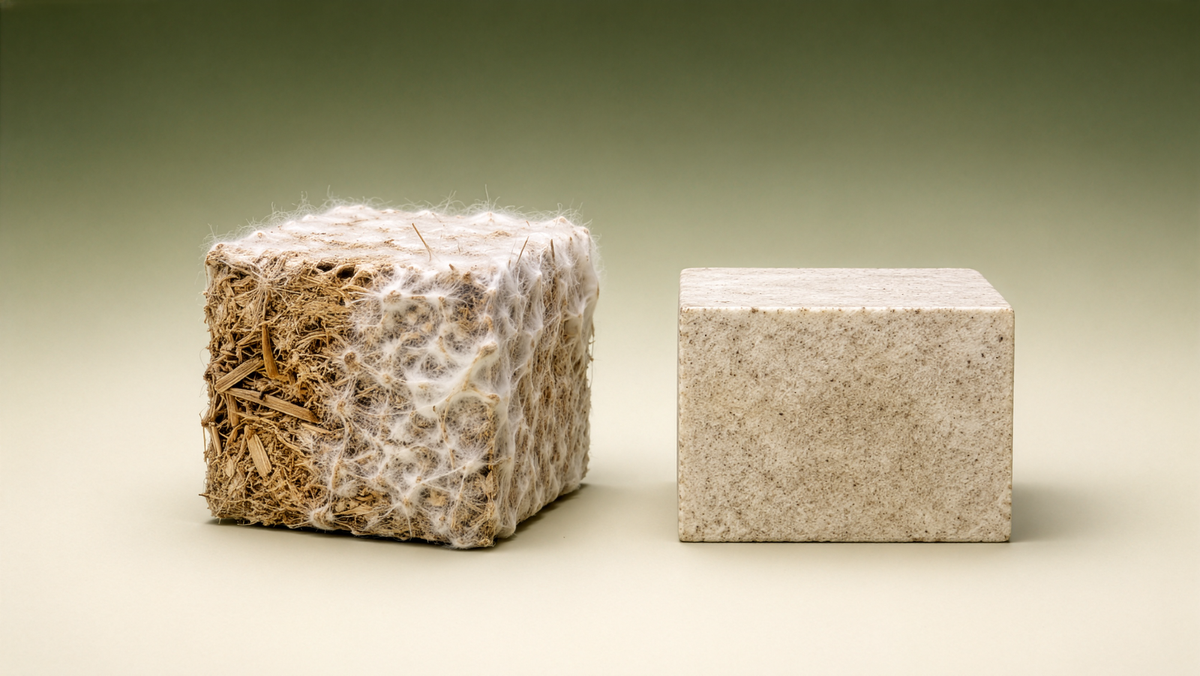
FAMILY F - MYCELIUM COMPOSITES
Theory. Fungal mycelium (Ganoderma lucidum, Pleurotus ostreatus, Trametes versicolor) grows through a pasteurized/sterilized lignocellulosic substrate and binds it into a foam-like solid. Low-sporulation cultivars preferred for indoor air quality. Contamination is the primary failure mode.
Anchors. Grain-spawn inoculation 0.5 to 8% w/w on treated substrate (craft guides ~10%; Ecovative-type patents ~3%). Substrate moisture 55 to 70% (optimally 60 to 65%); C:N ~30:1 (up to 40 to 50:1 with bran). Sterilize supplemented substrate at 121 C / 15 psi for 90 to 120 min (15 min only for liquids); hot-water pasteurize 65 to 75 C for 1 to 2 h; hydrated-lime cold pasteurization to pH 11 to 12, soak 12 to 24 h. Incubate 23 to 27 C, ~14 to 21 days (commonly 20 days). Kill-and-dry 60 to 80 C ~24 h; 60 C optimal for mechanical properties (Pertanika J. Sci. Technol. 33(1):219). Compressive strength (substrate/strain dependent): P. ostreatus ~0.04 to 0.19 MPa, Ganoderma higher (~0.10 to 0.26 MPa; up to ~2.49 MPa at 20% deformation with dense sawdust, Sivaprasad et al.); density ~60 to 320 kg/m3 (MDPI Biomimetics 7(3):103, 7(2):51; PMC12194127). Contaminant IDs: Trichoderma bright green; Aspergillus jet black; Neurospora neon orange (overtakes in 8 to 12 h). All [LIT].
Recipe MYC-01-r1 - Rigid insulation/panel block (T2 to T3, grown). [LIT/ADAPT] Confidence: Provisional. Hardwood sawdust + wheat bran (~80:20) to C:N ~30 to 40:1; hydrate to 60 to 65%; pasteurize (hot water 65 to 75 C, 1 to 2 h) or sterilize (121 C, 90 min); cool; inoculate grain spawn 5 to 10% w/w in clean air; pack into a permeable (perforated) mold for gas exchange; incubate 24 to 26 C, 14 to 21 days until fully white; demold when skin forms; kill-and-dry 60 C, 24 h. Outcome [LIT]: density ~60 to 150 kg/m3, compressive ~0.05 to 0.3 MPa - excellent as insulation/packaging/lightweight panel, poor as structural load-bearing (an order of magnitude weaker than many rigid foams by some metrics, but compostable). Home-compostable (it is fungus + wood); re-grow a patch to repair.
Recipe MYC-02-r1 - Leather-analogue mycelium mat (T2). [ADAPT] Confidence: Experimental. Grow a dense aerial mycelium skin on fine substrate/liquid; harvest, plasticize (glycerol soak), tan/finish. Properties not yet measured; low reproducibility.
Recipe MYC-03-r1 - Coffee-chaff/spent-grain block (T2). [ADAPT] Confidence: Provisional. Waste-stream substrate; higher contamination risk from residual sugars; sterilize, do not merely pasteurize.
FAMILY G - RESIN, WAX, AND OIL SYSTEMS
Theory. Shellac is a thermoplastic natural resin (glass transition ~41 to 49 C; wax melt peak ~76 to 78 C) that dissolves in ethanol and was historically molded. Rosin-beeswax-oil blends give tunable hardness. Drying oils autoxidatively polymerize; metal driers (Co/Mn/Zr) accelerate cure but raise the spontaneous-combustion risk of soaked rags.
Anchors. Shellac dissolves ~7 g flake per 50 mL ethanol (ScienceInsights); dewaxed shellac has better clarity/moisture resistance but under 6 months pot life once mixed (Homestead Finishing) [LIT]. Per the NaturalPigments/industry classification, "oils with an iodine number greater than 130 are classified as drying, those ranging from 115 to 130 are semi-drying, and those less than 115 are non-drying"; drying oils span ~130 to 190 iodine value (linseed, tung) [LIT]. Linseed rags are an NFPA-recognized spontaneous-combustion hazard; per Popular Woodworking quoting the NFPA, tung is lower-risk than linseed [LIT].
Recipe RWO-01-r1 - Shellac cast/molded object (T1). [LIT] Confidence: Verified. Dewaxed shellac flake 20 g in 100 mL ethanol (Tier V, flammable) ≈ a 2 lb cut; or heat-mold flake directly at 70 to 80 C into silicone. Hard, glossy, brittle; softens ~50 C. Solvent-weld repair with a drop of ethanol; reprocessable (redissolves/remelts); biodegradable, low toxicity, not compostable.
Recipe RWO-02-r1 - Rosin-beeswax-oil blend (T1). [ADAPT] Confidence: Verified. By mass rosin 50%, beeswax 30%, plant oil 20% (tune hardness by rosin:oil); melt 70 to 90 C, cast. Soft, carveable, water-resistant, remeltable.
Recipe RWO-03-r1 - Drying-oil / linseed composite finish (coating; T1). [LIT] Confidence: Provisional. Boiled linseed (Co/Zr drier) or metal-free heat-bodied stand oil as coating/binder. Spontaneous-combustion warning, plain terms: oil-soaked rags can self-heat and ignite; lay them flat to dry outdoors or submerge in water in a sealed metal can. Metal-free driers are safer but slower (cure days vs hours) - stated.
FAMILY H - LIGNOCELLULOSIC COMPOSITES AND BINDERS
Theory. Agricultural residues (hemp hurd, spent grain, coffee chaff, rice husk, sawdust) bound with bio-adhesives: lignin (kraft/organosolv/soda) as filler/partial binder, condensed-tannin adhesives (mimosa/quebracho) hardened with hexamine, and shell/mineral fillers.
Anchors. Example tannin resin (ScienceDirect S0950061825050883): 22.67 g mimosa tannin powder in 75.56 g water, 33% NaOH to pH ~10, 1.36 g of 30% hexamine; corn-flour/NaOH + tannin/hexamine optimum ~50:50 (Springer 10.1007/s00226-012-0525-4); cornstarch-tannin cure ~170 C for 4 min [LIT]. Rice husk ash crystalline-silica threshold: amorphous below ~800 C; crystalline cristobalite forms ~800 to 900 C and above (ScienceDirect S0272884222024841, S2405844025008710). Crystalline silica (quartz/cristobalite) has been an IARC Group 1 human carcinogen since Monograph Vol. 68 (1997), reaffirmed Vol. 100C (2012); OSHA/IARC classify it "carcinogenic to humans (Group 1)" [LIT]. Keep ashing below 700 C, and treat any high-fired ash and all ash dust as Tier V (P100 respirator + extraction).
Recipe LIG-01-r1 - Tannin-hexamine bonded residue board (T2). [LIT/ADAPT] Confidence: Provisional. Mimosa tannin 30% solution, NaOH to pH ~10, hexamine ~5% of tannin solids; blend with hemp hurd or sawdust (sieve 1 to 4 mm, moisture <10%) at ~10 to 15% resin solids on dry filler; hot-press 150 to 180 C, ~4 min. Rigid board; moderate water resistance (weaker than phenol-formaldehyde after soak, per the Quebracho plywood study, quantified as a penalty); thermoset (not reprocessable); composts slowly.
Recipe LIG-02-r1 - Lignin-filled cast composite (T1 to T2). [ADAPT] Confidence: Experimental. Kraft/organosolv lignin filler (20 to 40% dry solids) in an alginate or protein matrix; adds stiffness, brown color, UV absorbance. Properties not yet measured.
Recipe LIG-03-r1 - Shell/mineral-filled panel (T1 to T2). [ADAPT] Confidence: Provisional. Eggshell/oyster-shell powder (sieve <150 µm, moisture ~1 to 5%) at 20 to 50% dry solids in alginate/protein/tannin matrix; raises rigidity, lowers cost/shrinkage. If rice-husk ash is the filler, use only amorphous ash fired below 700 C, Tier V.
Natural latex (optional). If used, disclose latex allergy (Type I IgE to Hevea proteins) plainly; ammonia-preserved field latex is Tier V.
Blend and compatibility matrix
| Pair | Compatible? | Note |
|---|---|---|
| Alginate + chitosan | NO (direct mix) | anionic + cationic → instant polyelectrolyte complex; only usable as deliberate layer-by-layer or coacervate |
| Alginate + gelatin | Yes | Ca sets alginate, gelatin adds toughness |
| Alginate + cellulose fiber | Yes | composite reinforcement |
| Chitosan + gelatin | Yes | genipin co-crosslinks both (PMC9181465) |
| Agar + carrageenan | Yes | both thermoreversible; tune texture |
| Kappa+K+ / Iota+Ca2+ | Yes | cation must match |
| Chitosan (pH ~4) + alkali-set konjac (pH ~10) | NO | pH windows mutually exclusive |
| Protein (mTG, pH 6 to 7) + strong acid systems | NO | mTG inactivated below pH 5 |
| Any protein + tannin | Caution | tannin precipitates proteins (the leather mechanism) |
| Starch (minor filler) + alginate/protein | Yes | starch as non-determining phase (allowed use) |
Rule: never combine a net-anionic polysaccharide sol with a net-cationic chitosan sol expecting a castable blend.
Specifications and performance targets
Batch tiers T1 10 to 100 g wet / T2 0.1 to 1 kg / T3 1 to 10 kg. Draw-down sets wet film 0.1 to 3 mm ±0.1 mm; cast panels 3 to 20 mm. Linear shrinkage 5 to 20% typical for hydrocolloid films (alginate/agar shrink most). House conditioning: 23 C, 50 to 53% RH (magnesium nitrate ~53% chamber), reported on every recipe. Service life: hydrocolloid films indoors years if dry, outdoors months at best; mycelium/BC indoor-only unless coated.
Scale-up chapter and worked example
Drying physics. Time to constant mass ~ (thickness)². Doubling a 2 mm cast to 4 mm roughly quadruples EMC time. A 10 kg wet batch of 2 mm film needs on the order of 5 m² of tray surface; a 10-tray dehydrator (0.4×0.4 m trays = 1.6 m²) is ~3 loads. An open rack drying 5 m² in a single layer (0.6×1.8 m, 6 shelves ≈ 6.5 m² shelf) fits in ~1.1 m² of floor.
Pot life is the T3 binding constraint for any crosslinked system (GDL/CaCO3 alginate 3 to 10 min, mTG, tannin-hexamine). Delayed-gelation strategies: sequestrants (hexametaphosphate/citrate), slow-release calcium (CaCO3/GDL), temperature staging, split-batch casting. Decision rule: if the volume you can cast to final thickness in one pot life is less than the batch, switch to sequential casting or a non-crosslinked/thermoreversible chemistry.
Heat transfer. A 10 L vessel heats/cools far slower than a 200 mL beaker. Re-time every hold from when the mass reaches temperature, not when heat is applied. Use a probe thermometer in the mass; an IR thermometer reads only the surface and misleads on a stirred viscous batch. Indicative: 200 mL to 60 C on an induction hob ~3 to 5 min; 10 L ~30 to 60 min.
Mixing / shear. Alginate and CMC tolerate immersion blenders at T1 but entrain air at scale; gelatin and lightly-crosslinked systems degrade under high shear. At T3 use an overhead paddle at low RPM, folded incorporation for fibers, and pre-dispersion of powders in glycerol/non-solvent to prevent fisheyes.
Non-linear cost. Feedstock cost per kg falls with bulk buying; drying energy per kg of water removed does not improve with scale and usually dominates operating cost.
Worked example - ALG carried 50 g → 5 kg. Changed: trays (1 → ~12), vessel (beaker → 10 L pot), tool (whisk → overhead paddle), crosslink strategy (single dip → sequential/internal gelation because a 5 kg pour exceeds pot life), drying time (hours → days across loads), degassing (rest → vacuum). Unchanged: mass fractions (alginate 4%, glycerol 30% of polymer, filler 30% dry solids), house conditioning, bath molarity (2% CaCl2), target thickness (1 mm). Surprises: (1) curl got much worse at scale because edges dried before centers, requiring perimeter pinning and staged RH; (2) fiber settled during the longer pour, forcing pre-thickening of the sol; (3) drying electricity became the single largest cost line, larger than the alginate itself.
Bill of materials - ingredient/consumable cost table (estimates; vary by region and date)
| # | Item | Spec | Est. price (USD) | Source / notes | Salvage/free alt |
|---|---|---|---|---|---|
| 1 | Sodium alginate | med visc, food grade | $20 to $40/kg | hydrocolloid suppliers | none |
| 2 | Chitosan | DDA ~85%, med MW | $40 to $90/kg | online; fungal grade dearer | shellfish waste (DIY) |
| 3 | Gelatin | Type B ~200 Bloom | $10 to $25/kg | grocery/bulk | bone/hide scraps |
| 4 | Agar | food grade | $30 to $70/kg | grocery/asian market | none |
| 5 | Kappa/iota carrageenan | food grade | $25 to $60/kg | online | seaweed (DIY) |
| 6 | CMC | food/tech | $8 to $20/kg | online | none |
| 7 | Glycerol | ≥99% food grade | $5 to $12/kg | pharmacy/soap supply | soapmaking byproduct |
| 8 | Calcium chloride | food/tech | $3 to $8/kg | brewing/de-icer | de-icer salt (tech) |
| 9 | Calcium lactate | food grade | $12 to $25/kg | brewing | none |
| 10 | GDL | food grade | $15 to $35/kg | brewing/cheese supply | none |
| 11 | Transglutaminase | ~1% active blend | $30 to $80/100 g | culinary supply | none |
| 12 | Genipin | ≥98% | ~$50 to $150/g | lab/online (use sparingly) | crude gardenia extract |
| 13 | Shellac flake | dewaxed | $30 to $70/kg | finishing supply | reclaimed flake |
| 14 | Beeswax | filtered | $10 to $20/kg | beekeeper/craft | reclaimed candles |
| 15 | Carnauba wax | flake | $15 to $30/kg | finishing supply | none |
| 16 | Linseed oil | boiled/raw | $6 to $15/L | hardware | none |
| 17 | Mimosa/quebracho tannin | powder | $15 to $40/kg | tannery/leather supply | bark extract (DIY) |
| 18 | Hexamine | solid fuel tablets | $10 to $25/kg | camping fuel/online | none |
| 19 | Mycelium grain spawn | G. lucidum / P. ostreatus | $10 to $25/kg | mushroom supply | self-propagate |
| 20 | Hemp hurd | shiv | $1 to $3/kg | animal bedding | crop residue (free) |
| 21 | Citric/tannic/acetic acid | food/tech | $3 to $15/kg | grocery/brewing | vinegar (acetic) |
| 22 | NaOH | tech grade | $4 to $10/kg | hardware/soap | drain cleaner (tech) |
| 23 | Urea | tech/fertilizer | $2 to $6/kg | garden | fertilizer grade |
| 24 | Sorbate/benzoate | food | $10 to $20/kg | brewing | none |
Waste-stream feedstocks (free/near-free): spent brewery grain, coffee chaff/grounds, eggshell, oyster shell, sawmill residue, harvested/invasive seaweed, textile and paper offcuts.
Tools and equipment (tiered)
| Category | Cheapest-viable (own/DIY) | Upgrade (buy) | Manual fallback | Est. cost |
|---|---|---|---|---|
| Mass (fine) | 0.01 g jeweler's scale | 0.001 g | — | $12 to $30 |
| Mass (bulk) | 1 g / 5 kg kitchen scale | bench scale | balance beam | $15 to $40 |
| Temp control | double boiler + probe thermo | sous-vide circulator + induction hob w/ setpoint | stovetop + thermometer | $20 to $150 |
| Thermometry | probe thermometer | IR + probe | — | $10 to $40 |
| Drying | ambient rack + hygrometer | food dehydrator; low-T oven | sun/air rack | $40 to $120 |
| Humidity chambers | sealed tubs + saturated salts | dedicated RH chamber | — | $10 to $50 |
| Forming | shimmed straightedge draw-down bar | film applicator; heated platen/press; vacuum bag from food sealer | hand spread | $10 to $120 |
| Measurement | calipers; pH strips; DIY hanging-bucket tensile rig; mandrel dowels | micrometer; pH meter; durometer; crane scale | ruler + known weights | $30 to $150 |
| Safety | N95/P100, nitrile+neoprene gloves, goggles, open window | fume extraction/fan | open window | $30 to $120 |
Cost summary: cheapest-viable tooling ≈ $120; upgrade path ≈ $580 - both under the $600 ceiling. Prices are estimates and vary by region and date.
Skills and safety; hazard tiering
Competencies: weighing to 0.01 g; making up % solutions; holding a water-bath temperature; drawing a film; reading a hygrometer; running humidity chambers; basic aseptic technique for grown materials.
Hazard tiers.
- Tier W: citric acid, tannic acid, genipin, transglutaminase, CaCl2/Ca lactate, KCl, sorbates/benzoates, food-grade hydrocolloids, waxes, solid shellac.
- Tier V: acetic acid at working strength; NaOH and caustic dissolution (NaOH/urea, BC purification); solvent-borne coatings and ethanol shellac cuts (flammable); calcination/ashing; sanding filled composites (respirable dust); mycelium handling for spore-producing strains; sodium metabisulfite/sulfide keratin extraction (SO2/H2S).
- Tier X (excluded, justified): glutaraldehyde and formaldehyde/formalin (toxic sensitizers/carcinogens - Galalith's formalin cure replaced by mTG/tannic/citric/Ca at a strength penalty); carbon disulfide (viscose - neurotoxic/flammable, replaced by NaOH/urea regeneration); any crosslinker needing engineered lab containment.
Specific hazards/controls. Oil-soaked rags self-ignite: dry flat outdoors or submerge in water in a sealed metal can. Crystalline silica: never fire rice husk above ~700 C for craft ash (cristobalite forms 800 to 900 C+, IARC Group 1 carcinogen; P100 + extraction). Allergens to disclose: shellfish (chitosan/tropomyosin), latex, nut oils, gluten-adjacent feedstocks (spent grain), mold spores. Caustic: goggles/gauntlets/apron, add lye to water, neutralize spent baths (pH 6 to 9) before disposal. Nothing here is qualified for food contact absent separate testing - state it on any object. Check local electrical, wastewater-discharge, and home-occupancy/business codes.
Build instructions - characterization rig builds (CERN-OHL-S v2)
DIY draw-down bar. Shim each end of a steel bar/straightedge with tape or feeler gauges to set the gap (two 0.05 mm tape layers ≈ 0.1 mm wet film). Draw across the puddle in one pass. Go/no-go: measure dried thickness at 5 points; adjust shim. FIG-1: shimmed straightedge on a glass plate, alginate bead ahead of it, arrow showing draw direction, calipers on the shim stack.
Saturated-salt humidity chambers. Airtight tub, perforated shelf above a salt+distilled-water slurry (excess undissolved salt present), one tub per RH point; equilibrate 24 h with a hygrometer inside. FIG-2: cutaway tub, salt slurry in base, wire shelf holding specimens above the liquid, hygrometer on the lid.
Hanging-bucket tensile rig. Fixed top jaw (two rubber-faced plates bolted together to avoid crush/slip); bottom jaw hangs a bucket; add water at a metered rate (e.g., 100 g/min from a jug on a scale) to break; log mass at break; strain from two ink gauge dots by phone video/calipers. FIG-3: vertical rig, fixed top jaw, specimen with two gauge marks, bucket below, jug pouring, phone on tripod. Honest precision limit: this rig ranks tensile strength and elongation acceptably but cannot reliably resolve Young's modulus of stiff thin films (compliance/grip slip dominate) - report modulus only when the stress-strain slope is clean, else omit.
The 25 mm gauge length in FIG-3 assumes a scaled D638 Type V dogbone. For films under 1 mm, use a D882 strip instead, and the gauge length changes.
Mandrel bend set / double-fold. Dowels 25/20/16/12/10/8/6/4/3/2 mm; report smallest diameter passed without cracking (ASTM D522 concept). Double-fold: fold 180° back and forth under a fixed finger load; count folds to failure (MIT fold-endurance concept).
Drying rack / airflow (T3). Multi-shelf wire rack; box fan for ~0.5 to 1 m/s across trays; hygrometer at rack level. FIG-4: 6-shelf rack with film trays, box fan at one end, airflow arrows, hygrometer on the middle shelf.
Drawings and schematics
Recommend FreeCAD (3D molds, exploded views), LibreCAD (2D fab drawings), Inkscape (draw-down templates, dogbone dies), KiCad (only if adding a dehydrator controller).
Mold MD-1 (flat film plate): acrylic/glass base + 3D-printed or acrylic dam gasket setting cavity depth = target wet thickness. Shrinkage compensation factor = 1/(1 − linear shrinkage); e.g., for 15% shrinkage oversize the cavity 1/0.85 ≈ 1.18× in-plane. Draft angle ≥3° on raised features; fillet radii ≥1 mm to avoid stress risers; restrain (perimeter pins/weights) if the recipe curls.
Mold materials compared. Platinum-cure silicone (fine detail; inhibited by sulfur, tin, amines, latex - keep away); tin-cure silicone (cheaper, sulfur-tolerant, more shrinkage); acrylic/glass + gasket dam (flat, glossy, cheap; rigid); 3D-printed PLA/PETG (any geometry; layer lines transfer, needs release, PLA softens ~55 C); sealed MDF (cheap large molds; must be sealed/waxed); HDPE sheet (self-releasing, poor detail); permeable mold (mycelium gas exchange; not for liquids).
Release agents. Soy lecithin (thin wipe), carnauba/beeswax dispersion, PVA release film (water-washable), silicone spray, or none on HDPE/acrylic. Contamination note: silicone and wax release agents leave a film that blocks later coating adhesion; PVA and lecithin wash off and are coating-friendly.
ASCII of the draw-down gap:
  shim(0.1mm)                         shim(0.1mm)
   ====[====== steel bar =========]====
   ----____sol bead____-------------------  <- glass plate
SVG of the draw-down gap:
Testing, calibration, and validation (workshop-executable)
- Conditioning: to constant mass at 23 C, 50 to 53% RH (magnesium nitrate ~53% chamber); constant mass = <0.1% change between two weighings 24 h apart.
- Tensile: scaled ASTM D638 Type V dogbone (25 mm gauge length) for sheets 1 to 4 mm, or ASTM D882 strip (e.g., 15 mm wide) for films <1 mm; n ≥ 5; hanging-bucket rig; stress = break force / cross-section; strain from gauge marks; report mean ± SD.
- Fold/bend: mandrel set (D522 concept), smallest diameter passed; double-fold count for films.
- Density: calipers + mass for regular geometry; for hydrophilic materials use immersion displacement in isopropanol or hexane, never water (swells/dissolves specimen). Hazard: IPA/hexane flammable, hexane neurotoxic - ventilate.
- Water uptake: blot, weigh, immerse 24 h, blot, reweigh, % mass gain; if it disintegrates, photograph and report "disintegrated," do not record a number.
- Water vapor transmission (ASTM E96): gravimetric cup with desiccant (dry cup) or water (wet cup); weigh at intervals; slope of mass vs time / area = WVTR; report the gradient.
- Hardness (ASTM D2240): Shore A soft / Shore D rigid; specimen ≥6 mm thick or stack specimens (stacked-specimen rule) and note it.
- Biological resistance: incubate at high RH (KCl ~84% or K2SO4 ~97% chamber); score mold 0 to 5 with photos at 0/7/14/28 days.
- Accelerated aging (honest limits): thermal and humidity cycling feasible at home; true UV/photo-oxidation correlation is NOT achievable without a calibrated source - a south-window exposure log is indicative only, attach that caveat to any outdoor claim.
- Statistics: n ≥ 5 mechanical; report mean and SD; discard-and-note outliers with the reason (e.g., break at grip). One specimen tells you nothing because bio-material variability is large; the SD is what tells you whether two recipes actually differ.
Saturated-salt RH reference (25 C; Greenspan/NBS Wexler-Hasegawa reference data; ASTM E104).
| Salt | RH % at 25 C |
|---|---|
| Lithium chloride | ~12 |
| Potassium acetate | ~23 |
| Magnesium chloride | ~33 |
| Potassium carbonate | ~43 |
| Magnesium nitrate | ~53 |
| Sodium bromide | ~58 |
| Sodium chloride | ~75.5 |
| Potassium chloride | ~84 |
| Potassium sulfate | ~97 |
Operation (do's/don'ts, envelope)
Do record ambient T and RH at casting on every batch. Do pre-disperse powders in glycerol or dry-blend before water (avoids fisheyes). Do restrain films that curl; stage RH (start humid, ramp dry). Don't boil gelatin or overheat hydrocolloids past their degradation ceiling. Don't dip thick crosslinkable casts in a bath (skin-over traps a soft core) - use internal gelation. Envelope: work 15 to 30 C ambient; above ~65% RH many films won't reach EMC and mold risk rises.
Maintenance schedule
| Interval | Task | Consumable/wear part | Est. cost |
|---|---|---|---|
| Each batch | Zero scales; clean vessels | calibration weight | $0 |
| Weekly | Top up salt slurries; check hygrometer | salt | ~$1 |
| Monthly | Replace draw-down shims; inspect tensile-rig jaw faces | tape, rubber pads | ~$2 |
| Quarterly | Clean dehydrator element/fan; check thermostat vs probe | none | $0 |
| As needed | Replace respirator cartridges (Tier V hours) | P100 cartridge | $10 to $20 |
| Annually | Verify pH meter against buffers | buffer sachets | ~$8 |
Troubleshooting / failure-mode catalog (symptom → cause → fix)
| Symptom | Likely cause | Fix |
|---|---|---|
| Syneresis / plasticizer blooming | excess glycerol; retrograde | lower glycerol 5% steps; part-swap to sorbitol |
| Surface tack over weeks | excess/migrating plasticizer; residual acid | reduce plasticizer; neutralize (chitosan); wax overcoat |
| Curl / warp | differential drying edge-to-center | pin/weight perimeter; stage RH; slow airflow |
| Cracking / crazing | capillary stress, too-fast drying | raise RH, lower T; add plasticizer |
| Case hardening (skin, soft core) | surface dried faster than interior | lower T, raise RH; thinner sections; internal gelation |
| Bubbles / pinholes | air entrained | degas (vacuum/rest); pour gently; trace defoamer |
| Fisheyes / lumps | incomplete hydration | pre-disperse powder; longer hydration; filter sol |
| Filler settling / phase separation | slow gelation, dense filler | pre-thicken sol; faster set; finer/lighter filler |
| Gelation before pour done | pot life too short at scale | sequestrant/GDL; split-batch; sequential casting |
| Sticking / tearing at demold | wrong/no release; demolded too early | correct release agent; wait to demoldable state |
| Progressive embrittlement | retrogradation (starch), plasticizer loss | avoid starch as main phase; re-condition RH |
| Softening high-RH / brittle low-RH | hygroscopic matrix | coat to slow moisture; store at stable RH |
| Mold/yeast/bacterial spoilage | no preservative; RH too high | add sorbate/benzoate; dry faster; lower storage RH |
| Delamination (laminates/coatings) | poor adhesion; release residue | coating-friendly release (PVA/lecithin); key the surface |
| UV yellowing / chalking | photo-oxidation | pigment/UV filler (lignin); accept indoor-only |
| Freeze-thaw spalling | water in matrix expands | keep dry; not for outdoor freeze-thaw |
| Odor development | microbial or oxidative | preservative; dry fully; fresh oil |
| Mycelium green/black/orange | Trichoderma / Aspergillus / Neurospora | discard sealed; do not open indoors; improve sterility |
FIG-C1 glycerol beads blooming on a film;
FIG-C2 an alginate sheet curled at the corners;
FIG-C5 a case-hardened cast cracked open to show a wet core;
FIG-C-myc the three contaminants side by side with color labels.
Defect-to-variable map (turn this knob first).
| Defect | First knob | Second knob |
|---|---|---|
| Curl | drying RH (raise) | restraint |
| Crazing | drying rate (slow) | plasticizer (raise) |
| Tack | plasticizer (lower) | crosslink/coat |
| Weak film | crosslinker (add) | polymer % (raise) |
| Brittle film | plasticizer (raise) | thickness (lower) |
| Bubbles | degassing | pour technique |
| Mold | RH/preservative | dry time |
| Filler settling | sol viscosity (raise) | set speed (raise) |
Variations, scaling, customization
Cheaper: waste-stream feedstocks, tech-grade acids/lye, salvaged molds (HDPE boards, glass). Larger: more trays, overhead paddle, sequential casting, forced airflow. Motorized: PID on a dehydrator (KiCad); overhead stirrer from a cordless drill + paddle. Regional: high-humidity climates need a dehumidified room or dehydrator (ambient racks won't reach EMC); arid climates dry so fast that crazing dominates - raise RH during set.
Cost analysis
Material cost per kg finished (feedstock only, indicative): alginate film ~$25 to $50/kg; gelatin film ~$15 to $35/kg; mycelium composite ~$2 to $8/kg (waste substrate); tannin-bonded board ~$3 to $10/kg; bacterial-cellulose leather ~$5 to $20/kg. Incumbents: EPS foam ~$2 to $4/kg, PE film pennies per film, chrome-tanned leather $10 to $30/kg. Honest verdict: bio-materials are cost-competitive only when the feedstock is waste and the property bar is modest.
Drying energy (the routinely-omitted line). A food dehydrator draws ~0.5 kW. Evaporating 1 kg of water needs ~0.63 kWh of latent heat, but real dehydrators are inefficient, so budget ~1 to 2 kWh per kg water removed; at ~$0.15/kWh that is ~$0.15 to $0.30 per kg water. A hydrocolloid film that is 95% water wet means removing ~19 kg water per kg of dry film → ~$3 to $6 electricity per kg of finished film - often larger than the polymer cost. Thin sections and ambient pre-drying are the mitigations.
Payback: the rigs are cheap enough to pay back in a few dozen batches versus buying finished bio-sheet. Cooperative economics: sharing a dehydrator, press, and humidity chamber across five practitioners cuts per-person tooling from ~$120 to ~$25 and lets one person's drying load run while another mixes; the binding shared resource becomes dehydrator hours, so schedule by tray-hours, not by batch count.
End-of-life, repair, reprocessing (per family)
| Family | Repair | Reprocess | Home compost | Notes |
|---|---|---|---|---|
| Alginate (uncrosslinked) | re-wet/patch | redissolves | yes | crosslinked: compostable, won't redissolve |
| Chitosan (acid) | re-wet w/ dilute acid | redissolves in acid | yes | genipin-crosslinked: thermoset-like, slow compost |
| Gelatin/protein | heat weld | remelts | yes | mTG/genipin-crosslinked: not remeltable |
| Agar/carrageenan | remelt | remelts | yes | konjac alkali-set: thermo-irreversible |
| Bacterial cellulose | patch w/ fresh pellicle | limited | yes uncoated | wax/tan coat forecloses home compost |
| Mycelium | re-grow patch | grind + rebind only | yes | it is wood + fungus |
| Shellac/wax/oil | solvent/heat weld | shellac & wax remelt; cured oil does not | no (biodegrades slowly) | cured drying oil is thermoset |
| Tannin-hexamine board | patch only | no (thermoset) | slow | crosslinked |
Ranked end-of-life pathways: reuse → reprocess in studio → home compost → municipal/industrial compost → anaerobic digestion → soil amendment → landfill/incineration (the honest floor). A crosslinked and wax-coated part is not home compostable - the handbook says so wherever it applies; on each recipe card the coating/crosslinker choice that forecloses a pathway is named.
Compostability testing and honest claims. Run a DIY burial or ISO 20200-inspired lab-scale disintegration test: synthetic waste matrix inoculated with mature compost, ~58 C, ~55% moisture, specimens pre-cut small, sampled at fixed intervals (e.g., 0/14/28/56/84 days) for mass loss with photos. State plainly: disintegration is NOT mineralization; this protocol cannot substitute for EN 13432 or ASTM D6400 certification. Per ASTM D6400 (using ISO 20200/16929 at 58±2 C), a material must leave "no more than 10% of its original dry weight… after sieving on a 2.0-mm sieve" after 84 days (12 weeks) AND achieve ≥90% carbon-to-CO2 mineralization within 180 days in an accredited lab. No product label may claim "compostable" on the basis of a home test. Honest studio language: "In our lab-scale disintegration test (ISO 20200-inspired), specimens lost X% mass in 84 days at 58 C; this indicates disintegration under hot composting conditions but is not a certified compostability claim."
Experimental method for the builder
One-page batch record (printable / spreadsheet). Fields: Recipe code | Date | Operator | Ambient T (C) | Ambient RH (%) | Every ingredient mass (g) | Water grade | Order-of-addition notes | Mix T/time/method | Cast thickness | Mold | Drying T/RH/airflow | Time to release | Time to EMC | Every deviation | Observation timestamps | Outcome + measured properties (n, mean, SD) | Photos ref. Rule: a record without ambient T and RH is not diagnosable.
Screening design (2³ factorial, 8 runs + center point). Factors A = plasticizer level, B = drying temperature, C = filler loading, each low(−)/high(+). Run all 8 sign combinations plus one center point (all mid). For each run measure the response (e.g., tensile).
- Main effect of A = [average of the 4 runs where A is +] − [average of the 4 where A is −]; same for B and C.
- Two-factor interaction AB = ½{[average where A,B same sign] − [average where A,B opposite sign]}.
- Plain language: if A's main effect is large and AB is small, glycerol acts independently; if AB is large, you cannot set glycerol without also fixing drying temperature. The center point checks curvature - if it lies far off the average of the corners, the response is non-linear and one-factor-at-a-time will mislead. Arithmetic only; no software.
Ambient variability note. Workshop RH and temperature dominate reproducibility. Record them; if you cannot control them, stratify batches by "damp day / dry day" and compare within strata.
Appendices
A. Unit conversion: 1 mm = 0.039 in; 1 g = 0.035 oz; 25 mm ≈ 1 in; MPa = N/mm²; C→F = C×1.8+32; 1 kWh ≈ 3.6 MJ.
B. Supplier category guide (categories, not vendors): molecular-gastronomy/hydrocolloid suppliers (alginate, agar, carrageenan, GDL, Ca salts); brewing/cheese-making suppliers (Ca lactate, GDL, acids); soap/cosmetic suppliers (glycerol, lye, waxes); wood-finishing suppliers (shellac, linseed, carnauba); tannery/leather suppliers (tannins); mushroom-cultivation suppliers (grain spawn, substrate); animal-bedding/agricultural suppliers (hemp hurd, husk); lab/online marketplaces (genipin, chitosan, urea); salvage (seaweed, eggshell, spent grain, offcuts).
C. Saturated-salt RH table: see Testing section.
D. Blend compatibility matrix: see the matrix above.
E. Blank batch record: see Experimental method.
F. Master index of recipes sorted by property (enter from need, not from polymer):
| I need... | Try |
|---|---|
| Flexible translucent sheet | ALG-01, CHS-01, PRO-01, CEL-02 |
| Rigid panel | ALG-02, PSG-01, LIG-01, MYC-01 |
| Leather analogue | CEL-01 (bacterial cellulose), MYC-02, PRO-03 (casein) |
| Foam / lightweight insulation | MYC-01, MYC-03 |
| Water-resistant object | CHS-02 (genipin), RWO-01 (shellac), RWO-02 (wax) |
| Water-soluble / dissolvable film | CEL-02 (CMC), ALG-01 uncrosslinked |
| Composite board from waste | LIG-01, LIG-03, MYC-03 |
| Transparent film | CEL-03 (regenerated cellulose), PRO-01 (gelatin) |
| Coating / finish | RWO-01, RWO-03, wax blends, protein/polysaccharide overcoats |
Recommendations
Stage 1 - De-risk your workshop before you buy chemistry (weekend 1). Build the cheapest-viable tooling set (~$120): scales, a double boiler + probe thermometer, ambient drying rack, the DIY draw-down bar, the saturated-salt humidity chambers, and the hanging-bucket tensile rig. Buy a hygrometer first. Benchmark that would change this: if your workshop RH is chronically above ~65% (measure it for a week), skip ambient drying and put the dehydrator in Stage 1, because you will not otherwise reach constant mass and every mechanical number will be noise.
Stage 2 - Prove reproducibility on two easy Verified recipes (weekend 2 to month 1). Run ALG-01 (alginate film) and PRO-01 (gelatin film) at T1, five specimens each, and hit the literature target bands (alginate 3 to 6 MPa plasticized; gelatin 2 to 5 MPa at 25% glycerol) on your second or third attempt. Record ambient T/RH every time. Benchmark: if your standard deviation exceeds ~30% of the mean, your ambient conditions or your draw-down gap are uncontrolled - fix those before touching a new family.
Stage 3 - Pick the family that matches the object, not the hype. Use the master index. For packaging/insulation, go mycelium (MYC-01) and budget three weeks of growth and rigorous contamination control. For a leather-analogue, grow bacterial cellulose (CEL-01). For water-resistant rigid parts, accept a covalent crosslinker (CHS-02 genipin or LIG-01 tannin-hexamine) and accept that you have foreclosed home composting. Benchmark: if a part must survive outdoors, freeze-thaw, or UV, stop - none of these materials is a good outdoor choice; coat heavily and expect months, not years, or choose a different material class.
Stage 4 - Only scale a recipe to T3 after it is Verified at T1/T2. Carry the ALG worked-example discipline: hold mass fractions constant, switch to internal gelation or sequential casting once your pour exceeds the 3-to-10-minute pot life, re-time heat holds from mass temperature, and pre-cost the drying electricity ($3 to $6 per kg finished hydrocolloid film) as a line item. Benchmark: if drying energy exceeds your polymer cost (it usually will above 90% wet content), redesign for thinner sections or ambient pre-drying before you scale, or the economics never close.
Stage 5 - Publish data and share tooling. Log measured data with ambient conditions and contribute it back under CC BY-SA 4.0. Never label a part "compostable" on the strength of a home disintegration test; use the honest studio language provided. For a cooperative, buy one shared dehydrator/press/humidity chamber and schedule by tray-hours; that single move cuts per-person tooling roughly five-fold.
Caveats
- This handbook has not run its own instrumented test campaign. Property numbers are literature values (tagged [LIT] with the source) or explicitly labeled target bands; every property a builder must still generate is marked "not yet measured." Do not treat any figure here as a measurement made on your own material.
- Ambient temperature and humidity dominate reproducibility and are the single most common reason a recipe "doesn't work." A batch record without them is not diagnosable.
- Some cited values conflict or are practitioner-sourced. Mycelium inoculation rates, moisture windows, and pasteurization times come substantially from commercial grower guidance rather than peer-reviewed work; the pressure-cooker sterilization time genuinely conflicts (15 min for liquids vs 90 to 120 min for grain - use the longer time for grain). Chitosan MW-grade boundaries are not standardized. Gelatin tensile values span two orders of magnitude across studies because glycerol level and gelatin source vary.
- Nothing here is qualified for food contact absent separate testing, and no "compostable" label is supported by any test a studio can run.
- Three hazards can injure: oil-soaked rags (fire), high-fired rice-husk ash and composite dust (respirable crystalline silica, IARC Group 1 carcinogen), and caustic soda handling. The excluded Tier X reagents (formaldehyde, glutaraldehyde, carbon disulfide) are excluded for good reason; the substitutes cost real performance, quantified where known.
- Prices are estimates that vary by region and date, and local electrical, wastewater, and occupancy codes are the builder's responsibility to verify.
This is community documentation provided as-is; prices are estimates; the builder is responsible for local code compliance and safe practice.
 John D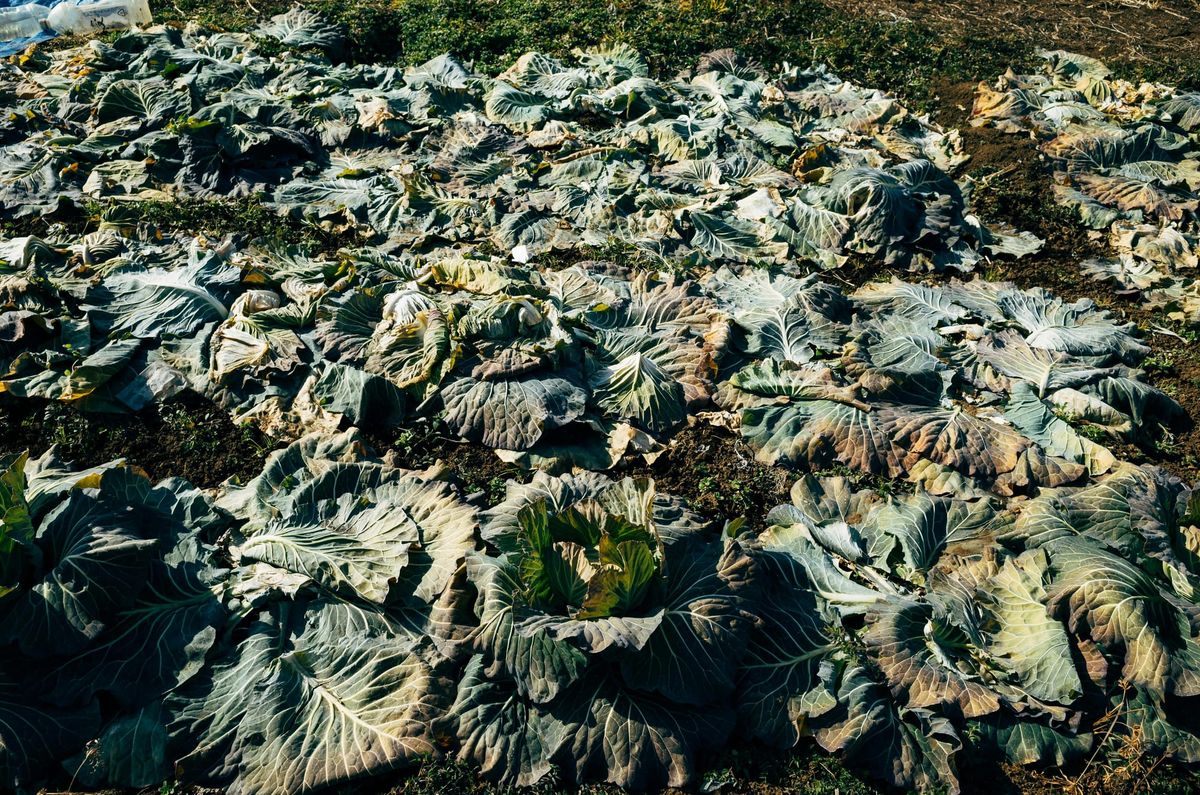
 John D
 John D
 John D
 John D
 John D