Post-Collapse Currency: From Barter to Energy Tokens
When paper money fails, what's next? Explore the history of trade, from Egyptian Deben to energy-backed tokens, and discover real wealth.

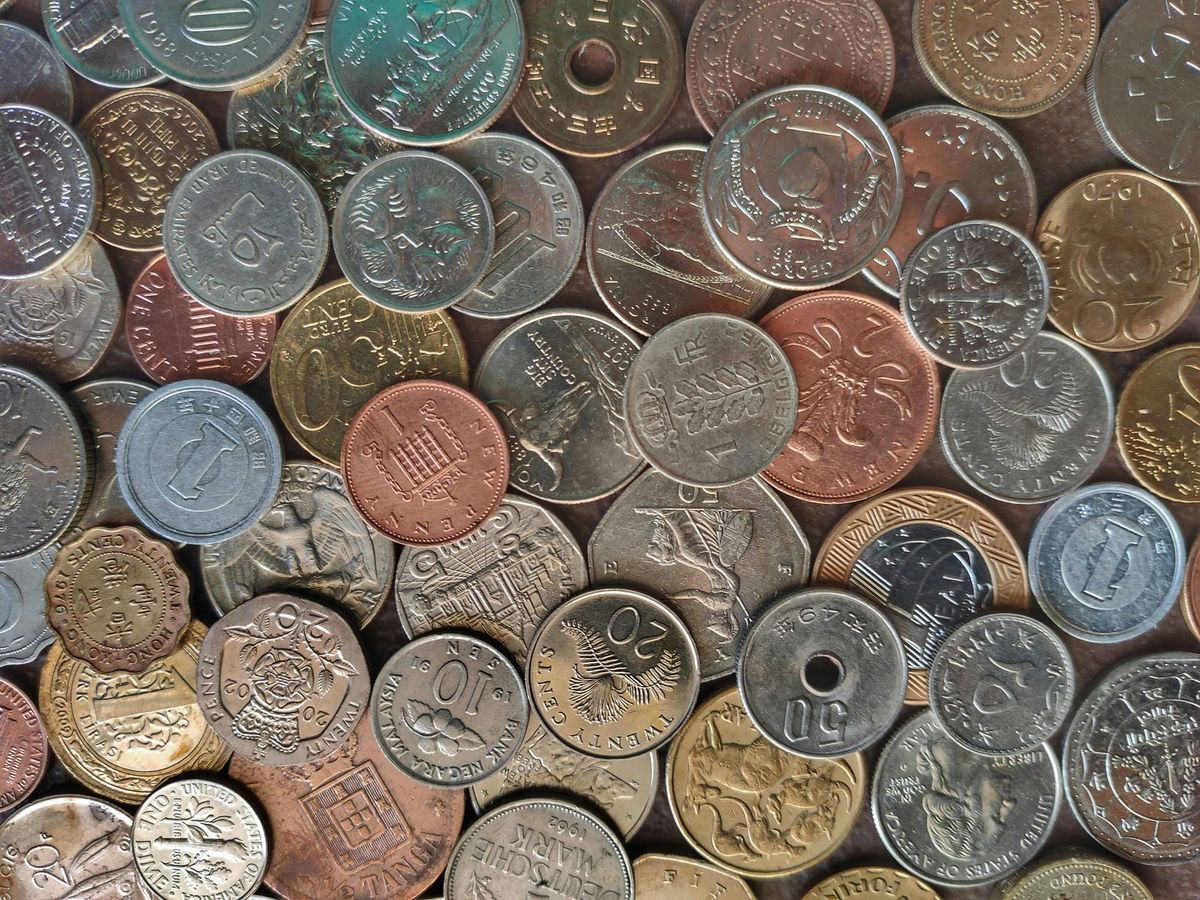
Currency and Scrip: Rebuilding Trade in a Post-Collapse World
If civilization ceased to exist tomorrow, what would you use to buy food? The modern world is built on fiat money; paper notes and digital numbers that hold value. However, in a post-collapse world, this system evaporates. Rebuilding trade requires returning to the fundamentals: barter, commodites, and local scrip. This isn't just a theoretical exercise in survivalism; it is a walk-through of human history, looking at how trade functioned before the printing press, and how it might work when technology fails.
The Lessons of History: Ancient Egypt and Beyond
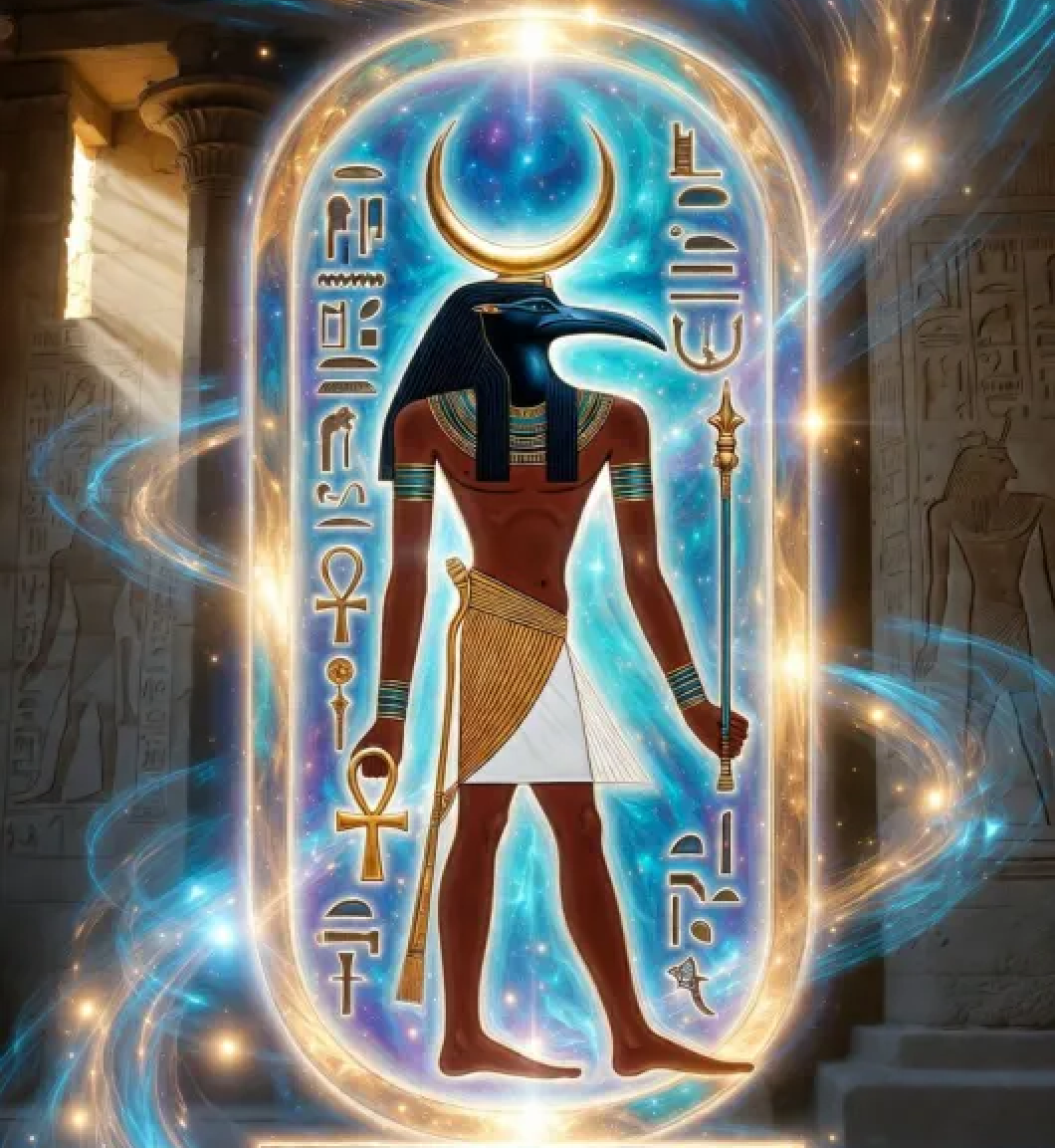
If we look back to ancient Egypt (around 3000 BCE to 500 BCE), long before the first minted coin appeared in Lydia, we find a remarkably sophisticated economy that functioned without fiat money. The Egyptian civilization, under the watch of Thoth (the deity of wisdom, writing, and commerce) developed sophisticated systems that would prove remarkably resilient in a post-collapse scenario.
1. The "Money-Barter" System (The Egyptian Model)
The Egyptians did not walk around bartering chickens for pottery every time they wanted to trade. Instead, they utilized "money-barter." This system revolved around a standard unit of value called a deben; a unit of weight, usually copper or silver (approx. 90 grams), used to price goods, even if the metal itself didn't change hands.
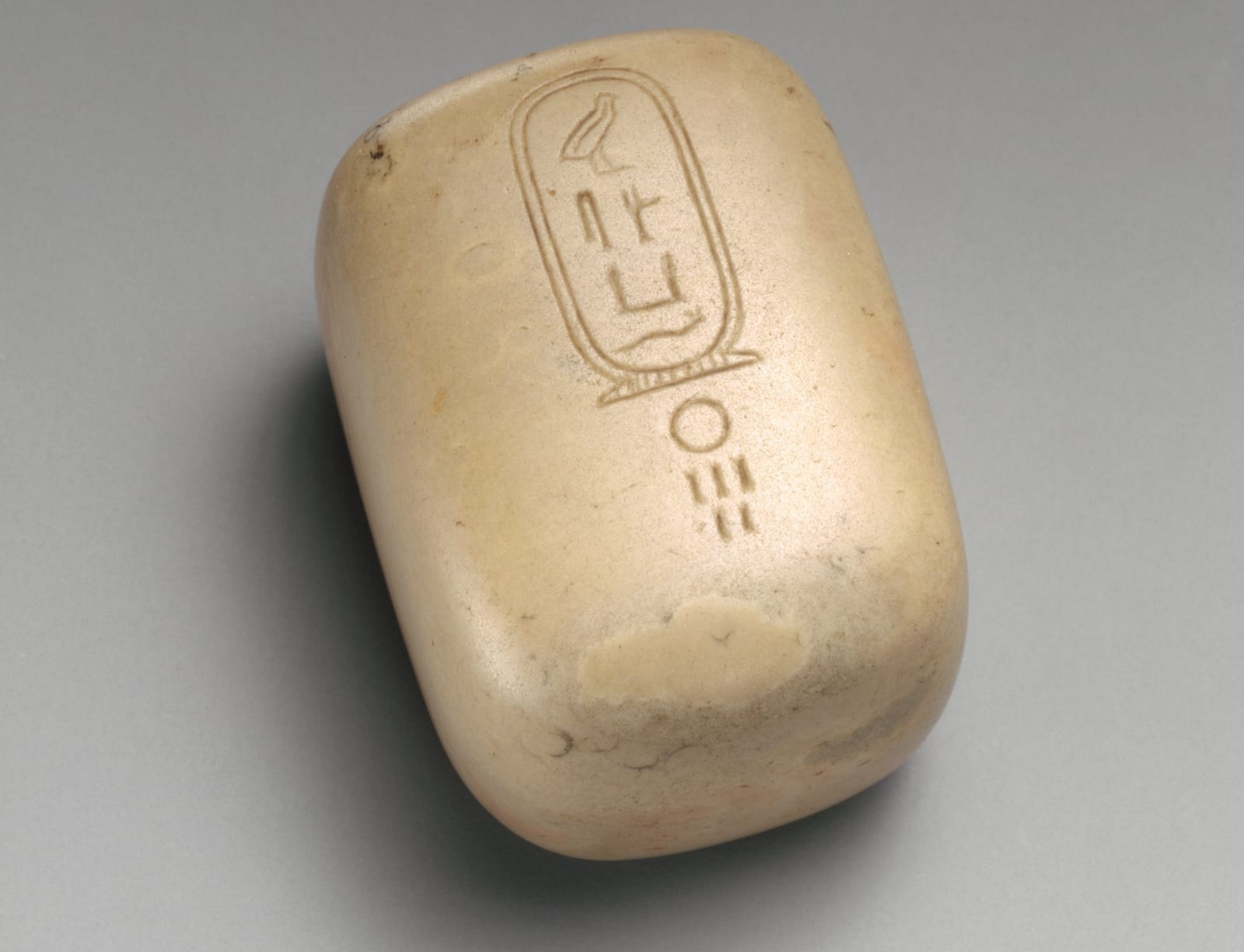
How it worked: An ox might be worth 111 deben, while a pair of sandals was worth one. If you wanted the ox, you didn't need to provide 111 pairs of sandals; you could offer grain, cloth, or labor equivalent to that value. This system allowed for complex economic transactions without the need for physical currency to change hands.
The Egyptians developed sophisticated accounting methods to track these transactions. Scribes would record debts and credits on papyrus, creating a system of credit that functioned much like our modern banking system. Temples often served as early banks, storing grain and precious metals while issuing receipts that could be used as money.
The Lesson: In a post-collapse world, we will not return to pure barter (direct exchange of items). We will likely return to using a standard, tangible, commodities-backed unit of account. This system allows for price comparison, credit, and complex economic arrangements without the need for universally accepted physical currency.
2. Commodity Money (The "Real Things" Approach)
Throughout history, when trust in financial systems fail, people turn to items with intrinsic value; things that are useful for survival or highly desired.
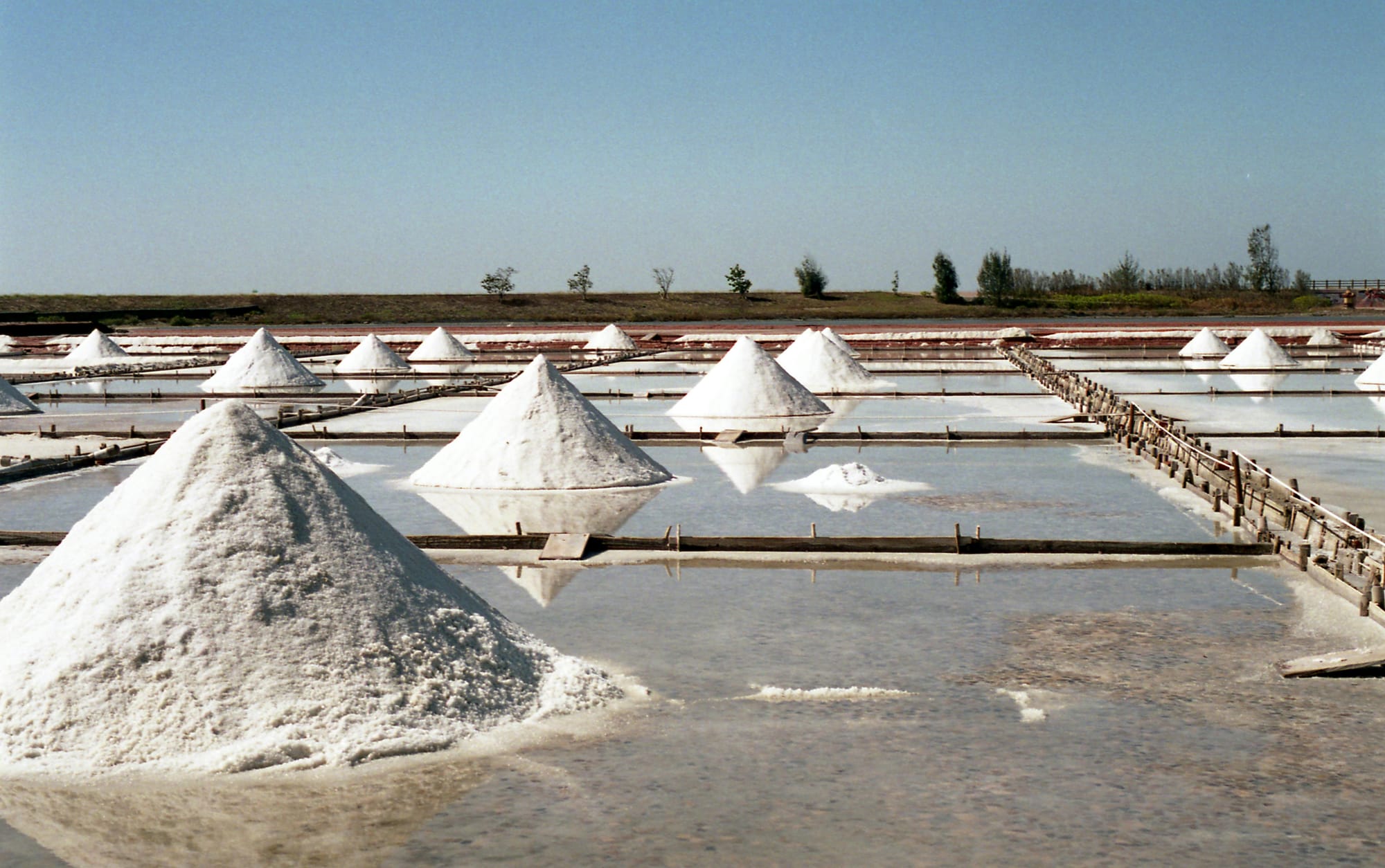
Salt: Known as salarium in Roman times, salt was essential for preserving food. Roman soldiers were sometimes paid in salt, which is where we get the word "salary." In a post-collapse world, salt would regain its value as both a preservative and a mineral essential for human health.
Grain/Livestock: Used extensively in Egypt and Mesopotamia because it feeds people. Grain is divisible, storable, and universally needed. Livestock represents mobile wealth that can reproduce itself, making it an ideal store of value.
Pelts/Tobacco: Used in early American colonial days. In the American frontier, beaver pelts became a de facto currency, while tobacco served as money in the southern colonies. Both had intrinsic value; one for warmth, the other for its addictive properties.
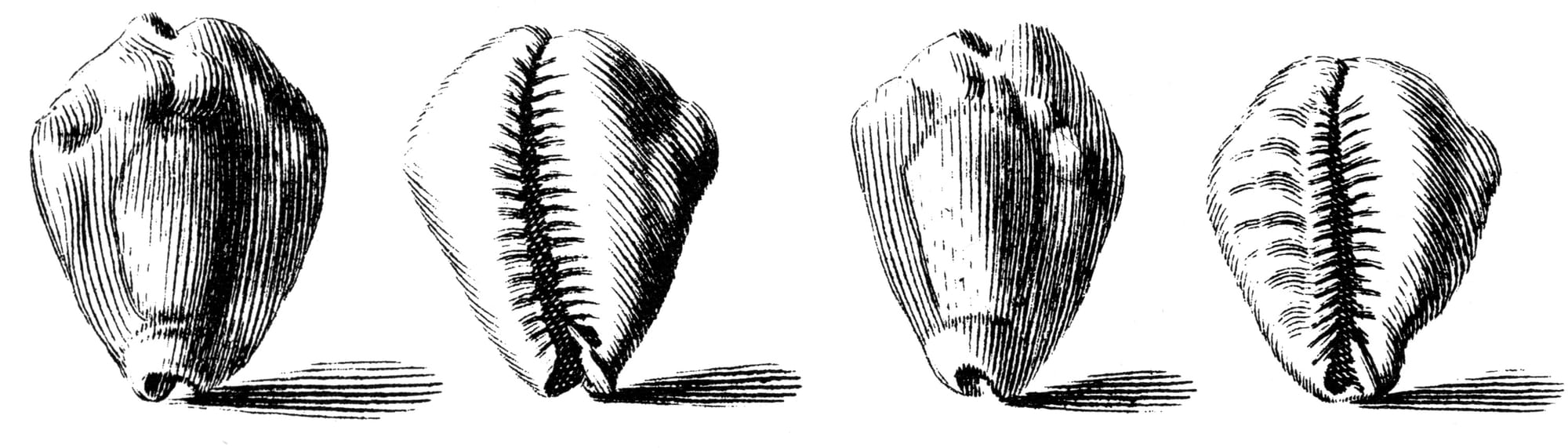
Other historical commodity monies include cowrie shells in America, Africa and Asia, tea bricks in Siberia and Tibet, and cocoa beans among the Aztecs. These items all shared common characteristics: they were durable, divisible, portable, and in constant demand.
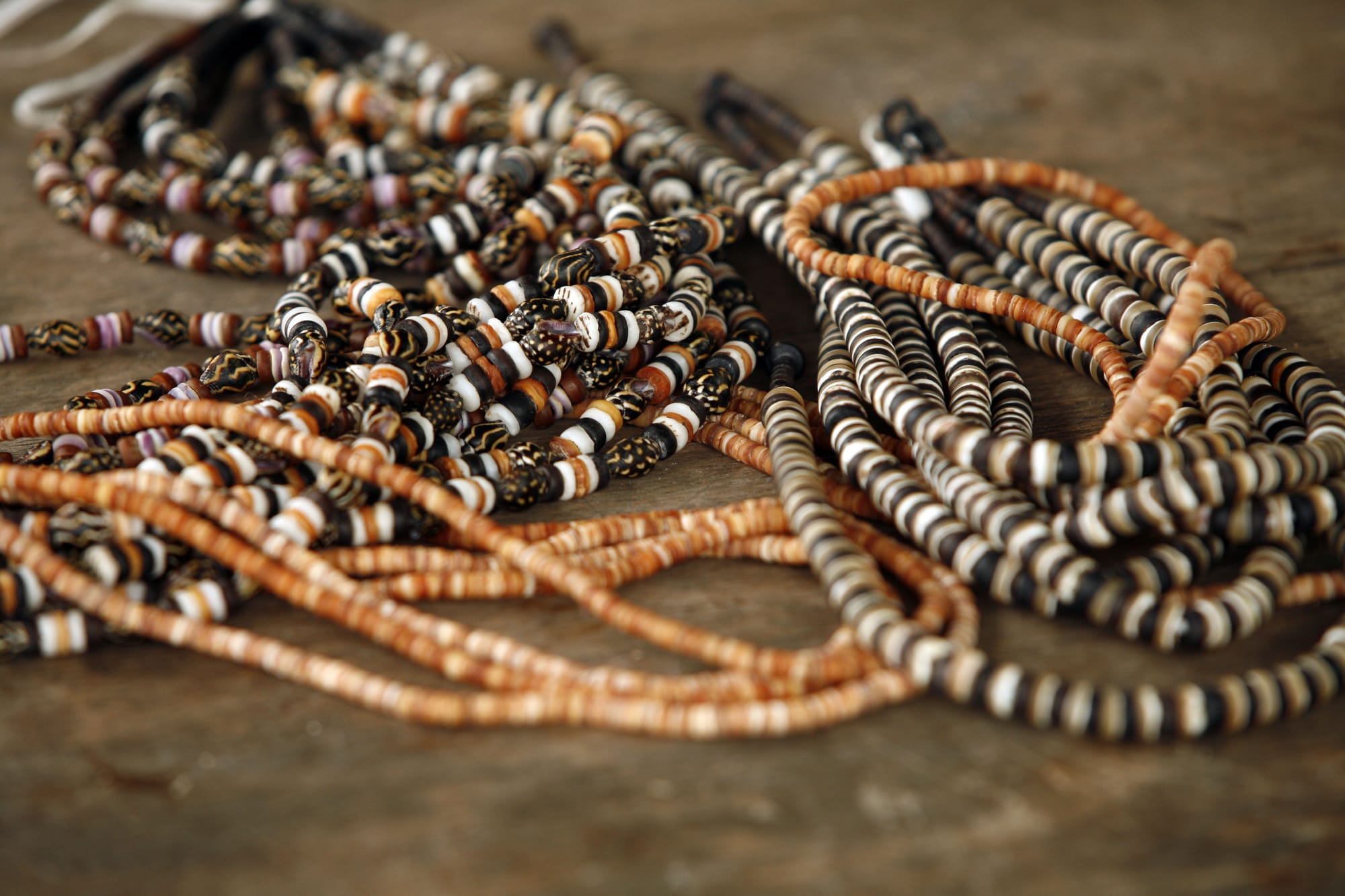
Indigenous peoples of the Iroquois Confederacy and Algonquian tribes utilized shells for ceremony and trade.
3. Trade Tokens and Scrip
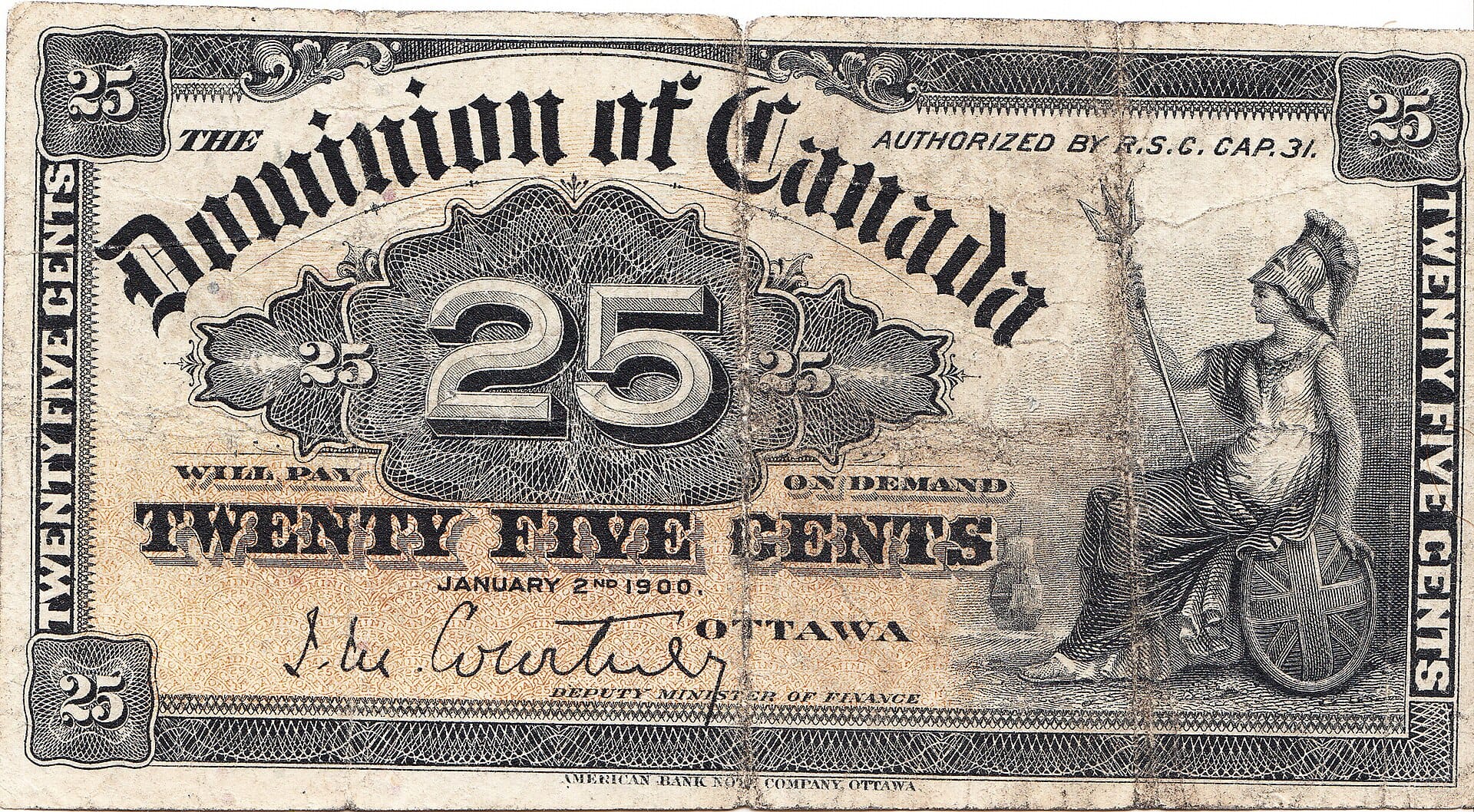
When official currency disappears, or change is unavailable, people create their own, called scrip. Historically, mining towns, small general stores, or even breweries would issue tokens ("Good for 5¢") redeemable in their store. This allowed trade to continue locally when central government money was non-existent.
During the Great Depression in the United States, local scrip systems flourished as banks failed and federal currency became scarce. Communities issued their own currency, often backed by labor or local goods, to keep economic activity flowing. These experiments in local economics demonstrated that when official systems fail, humans naturally create alternative means of exchange.
In the post-Civil War South, "shinplasters" (fractional currency) were issued by merchants and local governments due to the shortage of coins. Similarly, during wartime occupations, resistance movements and local governments have often issued their own currency to maintain economic independence.
Trade in a Post-Collapse World: Possibilities and Strategies
If civilization collapses, we will likely see a three-tiered economic system emerge, echoing historical patterns while incorporating modern knowledge.
Phase 1: Immediate Post-Collapse (Survival Barter)
Initially, the economy will be driven by necessity. The first hours and days after a collapse will be characterized by chaos and confusion as people scramble for essential supplies.
Commodities: High-use, durable goods. Lighters, clean water, pharmaceuticals (antibiotics), candy, preserved food, and refined fuel. These items share common characteristics: they are small, portable, and immediately useful for survival.
The most valuable items in this phase will be those that solve immediate problems. Water purification tablets, first aid supplies, fire starters, and communication devices like radios will be in high demand. Skills will also become a form of currency; medical knowledge, mechanical abilities, and security expertise will be highly valued.
Limitations: High transport costs, difficulty making "change" (e.g., trying to swap half a cow), and lack of trust. Barter works best between parties who have what the other wants and can agree on relative values. In a complex economy with many goods and services, this becomes increasingly inefficient.
Phase 2: Local Rebuilding (Tokenized Economy)
Once local communities establish stability, direct barter becomes too clumsy. Specialized traders will arise, and the need for a more efficient medium of exchange will become apparent.
Tokens: Local "scrip", stamped brass or aluminum, or weighted silver. Local leaders or communities will issue tokens redeemable in "units of electricity" or "sacks of wheat," echoing the Egyptian deben system.
These local currencies would likely be backed by something tangible and useful to the community. A farming community might issue currency backed by grain, while a manufacturing community might back its currency with finished goods or access to tools. The key is that the currency must be trusted and redeemable for something of value.
The Role of Technology: While large-scale electronics will fail, small-scale solar power could keep decentralized, offline blockchain ledgers functioning, allowing "crypto" to return as a purely local, digital alternative to physical tokens. A technological community with access to even limited computing power could create a digital ledger to track transactions, reducing the need for physical tokens and providing greater security against counterfeiting.
Phase 3: Regional Trade (Commodity Backing)
As communities connect, a regional standard is needed. Local currencies work well within a community but become problematic when trading between communities with different backing systems.
Universal Commodities: Precious metals (gold/silver) or durable items (fuel/refined goods). These items would serve as bridge currencies, allowing different communities to trade with each other without having to accept each other's local currency.
Why Metals Return: They are easily divisible, durable, and universally recognized, much like the silver ingots used in the Levant 3,000 years ago. Gold and silver have served as money for thousands of years across different cultures precisely because they possess the ideal properties of money: durability, portability, divisibility, uniformity, limited supply, and acceptability.
Could We Still Use Future Tech?
Rebuilding doesn't mean forgetting the past. Combining history (ancient, tangible wisdom) with "future tech" offers unique solutions that could make post-collapse economies more efficient than historical equivalents.
Offline Blockchain
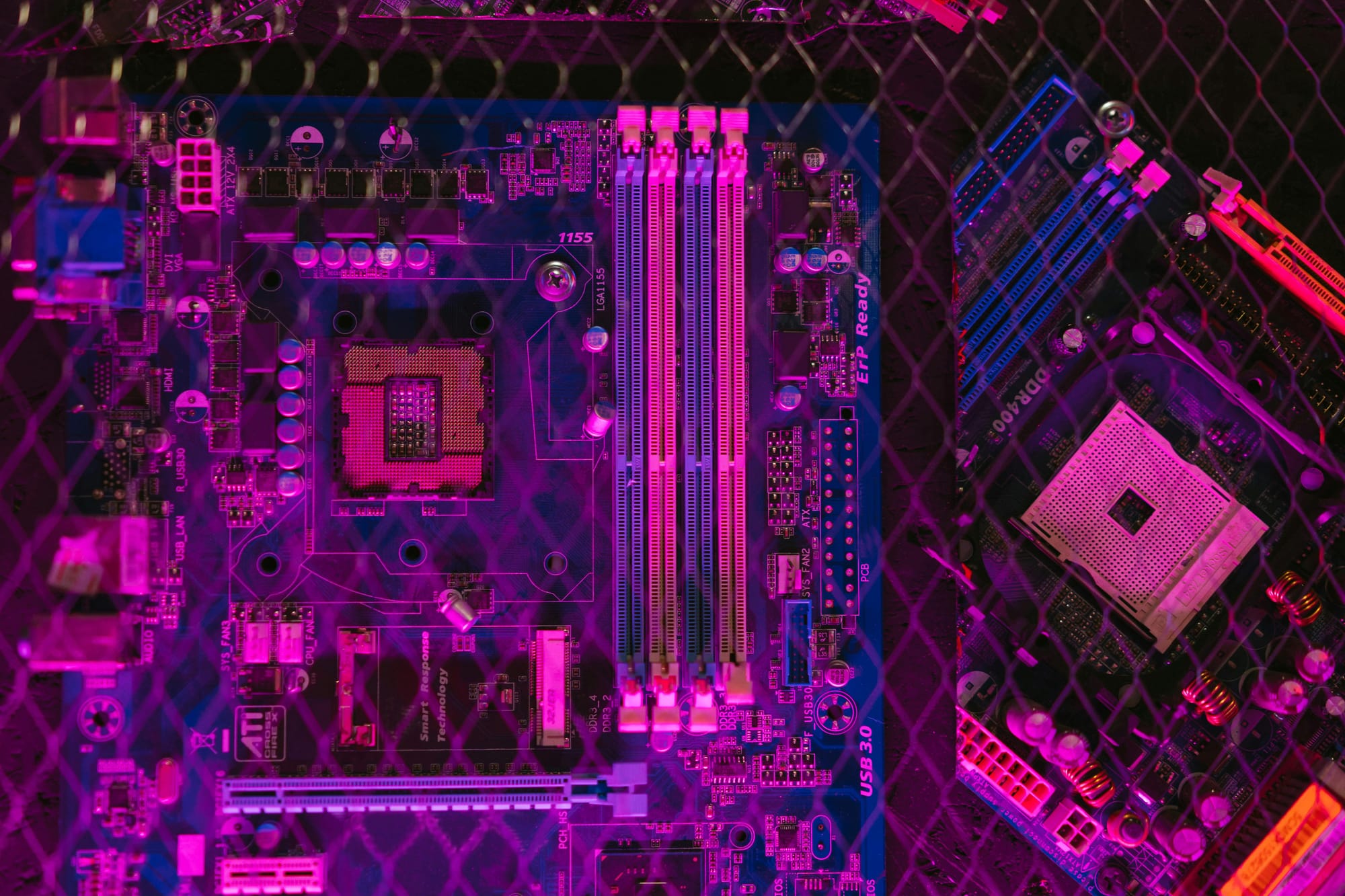
A simple, solar-powered Raspberry Pi node can maintain a digital, decentralized ledger. This provides the efficiency of modern banking without the reliance on a global, fragile internet. Communities could establish mesh networks to connect these nodes, creating a regional financial system that is resistant to single points of failure.
The beauty of blockchain technology in this context is its transparency and resistance to tampering. Every transaction would be recorded on multiple nodes, making fraud extremely difficult. This system would combine the trustworthiness of ancient commodity money with the efficiency of modern digital banking.
Decentralized Energy Currency
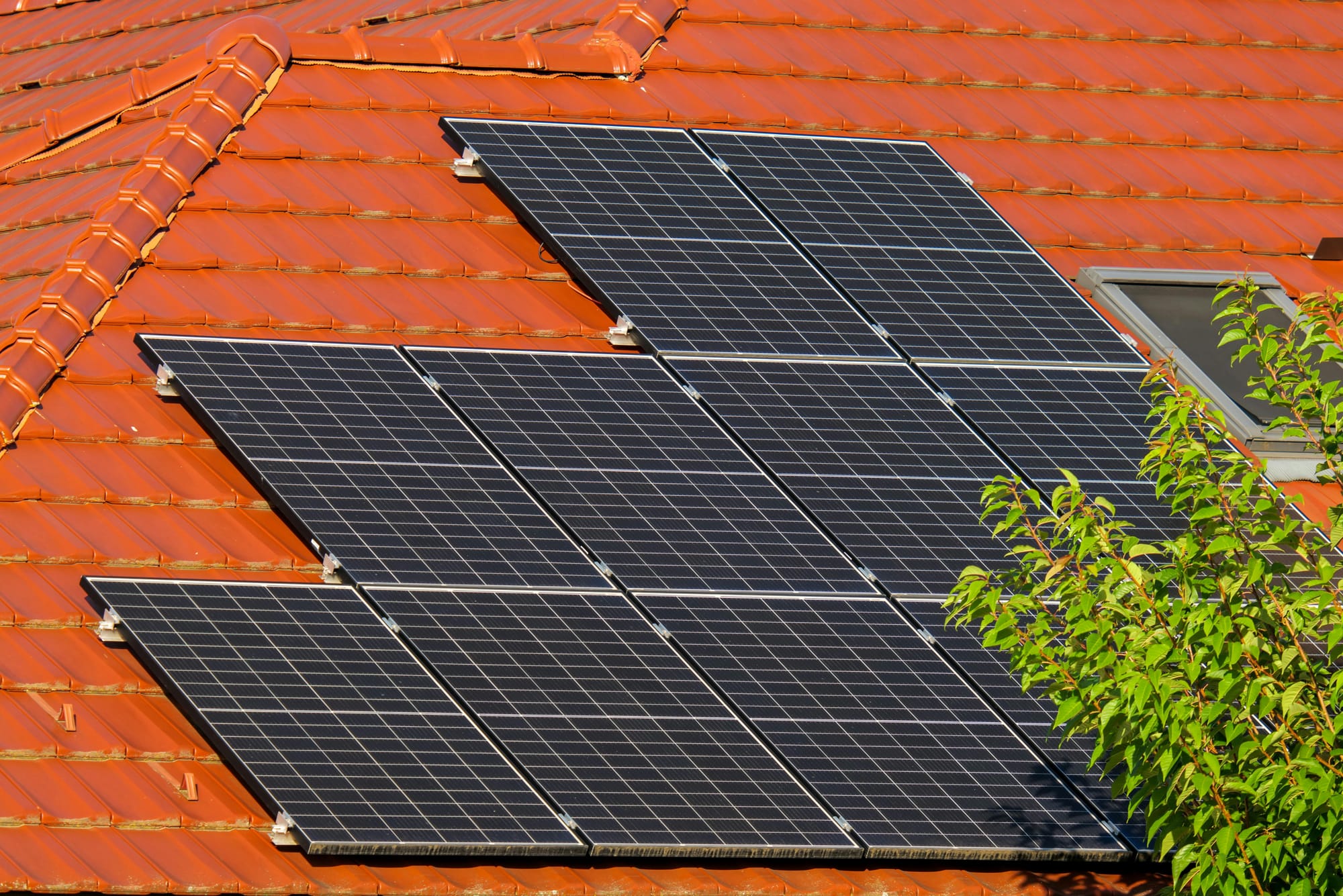
If a community has a solar array, the "token" could be a kilowatt-hour (kWh). Digital tokens representing energy stored in local batteries could become the most trusted currency. Energy is the lifeblood of modern civilization, and in a post-collapse world, it would be extremely valuable.
An energy-backed currency would have intrinsic value because it could be used to power tools, light homes, and run communication equipment. Unlike fiat currency, which is backed only by faith in the issuer, energy tokens would be backed by something tangible and immediately useful.
The Psychology of Post-Collapse Money
Understanding the psychological aspects of money in a post-collapse world is crucial. Money is not just an economic tool; it's a psychological one that affects how we interact with each other and value goods and services.
In the immediate aftermath of a collapse, people will likely hoard resources, leading to shortages and further instability. As communities stabilize, trust will gradually rebuild, allowing for more sophisticated economic systems to develop. The emergence of local currencies will be a sign that a community has reached a certain level of stability and social cohesion.
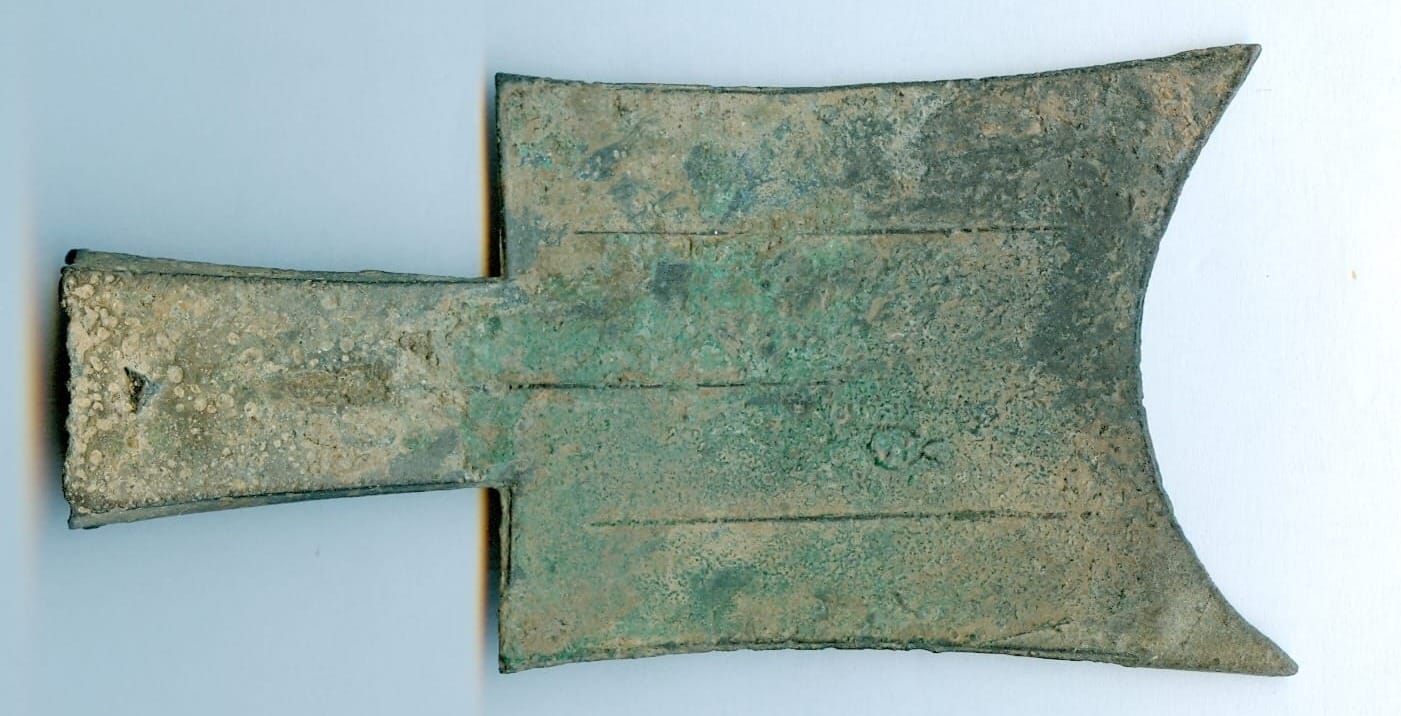
The design of post-collapse money will also reflect psychological needs. Physical tokens provide a sense of security that digital currencies might lack in a world where technology is unreliable. The tactile weight, feel, and appearance of money contribute to our trust in it, a lesson that ancient civilizations understood well. The Egyptians, for instance, used ring money of specific weights that could be easily handled and verified, while the Chinese developed spade and knife money (Chinese: 貝) that was not only functional but also difficult to counterfeit.
This tangible aspect of money becomes critically important when social trust is fragile. In a post-collapse world, where institutions have failed and memories of loss are fresh, people will naturally gravitate toward money they can see, touch, and verify independently. The psychological comfort of holding a silver coin or a brass token that represents a specific quantity of grain cannot be underestimated.
Furthermore, the very act of creating local currency can have profound psychological benefits for a community. It represents a declaration of independence and self-sufficiency, a tangible sign that the community is taking control of its own economic destiny. This psychological boost can be as valuable as the economic utility of the currency itself, fostering a sense of shared purpose and identity.
Skills as the Ultimate Currency
In any post-collapse scenario, certain skills will become more valuable than any physical currency. The ability to produce food, purify water, repair equipment, provide medical care, or defend a community will always be in demand. These skills represent a form of human capital that cannot be confiscated, lost, or stolen.
In many ways, skills represent the most resilient form of wealth in a collapsing society. While physical goods can be destroyed or stolen, knowledge remains with the individual. Communities that recognize and cultivate these skills will have a significant advantage in rebuilding. This creates an interesting dynamic where traditional notions of wealth may be inverted; the doctor, farmer, or engineer may wield more influence than the person who hoarded the most gold.
The most successful post-collapse economies will likely be those that find effective ways to monetize these skills, perhaps through time banking systems where one hour of medical service might be equivalent to several hours of agricultural work. This returns us to the ancient Egyptian model where labor itself was a standard unit of value.
The Ethical Dimension of Post-Collapse Currency
The design and implementation of post-collapse currency systems will inevitably raise ethical questions. Who has the authority to issue money? How do we prevent exploitation? What happens when those with control of the money supply abuse that power?
History offers cautionary tales. In many post-collapse scenarios throughout history, warlords and strongmen have seized control of money creation to enrich themselves and their supporters. The Roman Empire's debasement of currency in its final centuries contributed to its economic collapse, while the hyperinflation of the Weimar Republic in the 1920s demonstrates how monetary instability can destroy social fabric.
In a post-collapse world, communities would be wise to implement checks and balances on monetary power. This might include democratic control of currency issuance, transparency in accounting, or backing currency with multiple commodities rather than a single one. The ethical dimension of money cannot be separated from its practical function.
Conclusion: The Timeless Principles of Exchange
If civilization was rebuilt, we would almost certainly not return to paper money, which requires immense trust in a central issuer. Instead, we would likely see a hybrid system that combines ancient wisdom with modern technology.
We would use the Egyptian model; valuing goods based on a standard unit of commodities (copper, grain, or fuel). We would create local scrip or tokens to facilitate trade, and we would leverage small-scale, decentralized digital technology to manage the ledger. Skills and knowledge would become highly valued forms of wealth, while precious metals would likely reemerge for regional trade.
Trade is fundamentally a human activity based on necessity and trust. Whether we use silver deben in 1300 BC or kilowatt-tokens in a post-collapse future, the principles remain the same: the medium of exchange must be useful, divisible, and recognized by the community. The form may change, but the function endures.
The story of human currency is a story of innovation and adaptation. From the earliest barter systems to the digital currencies of today, we have continuously evolved our methods of exchange to meet changing situations. A post-collapse world would be no different; it would simply represent another chapter in this ongoing story of human ingenuity and resilience.
In the end, money is a tool. It is a means to facilitate exchange and specialization that allows societies to flourish. The specific form it takes is less important than the principles that underlie it: transparency, accountability, and adaptability. Those communities that understand these timeless principles will be best positioned to rebuild and thrive in whatever future awaits.
 John D
 John D