Solar Energy and the 5% Rule: Why Off-Grid Homes Need Redundant Backup Power
A practical guide to solar overpaneling, backup generators, battery storage, and three-pillar energy redundancy for off-grid homes.

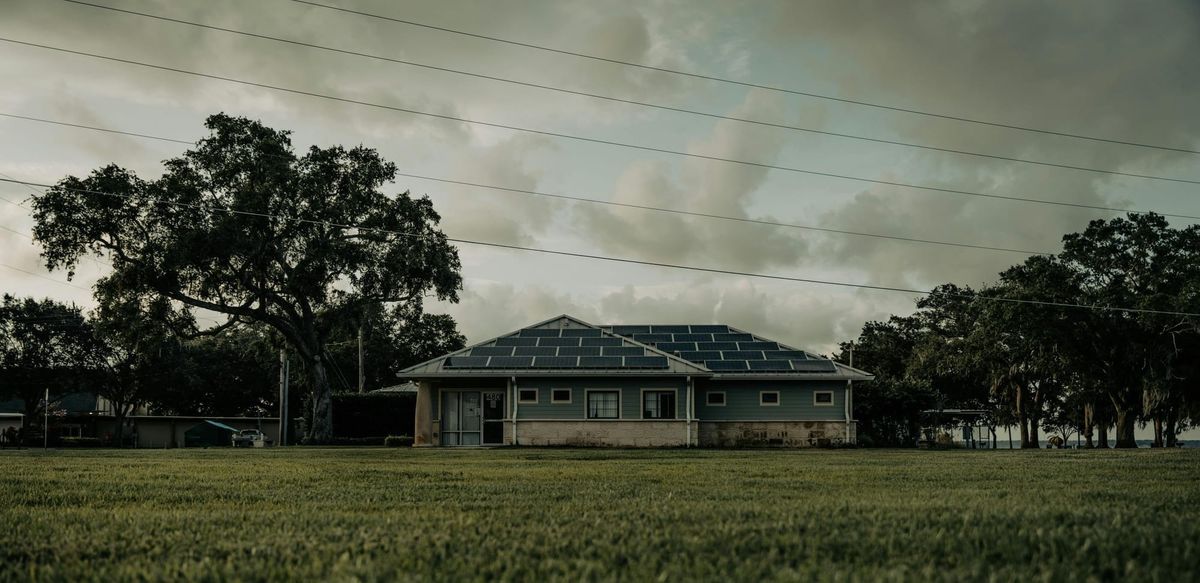
During poor weather, solar panels may only generate a small fraction of their performance rating. This is inevitable. If your home depends on solar, you need an abundance of solar capability. Over paneling, as in, producing far more energy than you need, is a strength. You should prepare for sub-optimal weather conditions that could last for days or weeks at a time.
Surplus energy can be utilized in many ways, including simple battery storage, computational processes, or even energy storage techniques such Sand or Water Batteries. Ultimately; your needs will depend on your climate. In a humid environment; you might benefit from running dehumidifiers; or vice-versa in a dry environment. If it's typically cold; you might want to bank surplus energy in heat storage. If it's hot, you'll want reserve batteries for your cold storage devices.
Backup energy generators are also critical. You should not rely on a single system. If your solar fails entirely, you'll want fuel for generators, or secondary renewable such as wind turbines or geothermal.
Solar Energy - The 5% Rule of Thumb

Of course, there are many other ways to store energy, including alternative batteries made of heated sand or water, but these are primarily for cold environments as they are thermal energy, rather than electric. Redundancy is key, and diversified energy is often overlooked. Prepare for a contigency where your main favored supply goes down. If most of your energy comes from solar, how long could you go without it? Root cellars, passive coolers, and perhaps even hand-crank generators should be considered. These principles may be applied outside of homesteading and onto life itself.
Approaching problems with a three-pillared strategy is a useful heuristic. Think about a roof; it needs at least one pillar to remain standing. Don't make one super sturdy giant pillar; make three minimally viable ones; or one primary pillar with two auxiliaries, with the capacity for one to remain the sole carrier of the weight. This goes beyond having a 'backup plan.' You need a tertiary plan. You give yourself three solutions, and only one of them needs to work. Ideally, all three work in synergy; and now you have a resilient and redundant system.
 John D
 hexiangxiang
 John D
Disclaimer: Datadeep Tech is not sponsored by OffGridEnclave. No financial incentives or funding were provided for the publication of this content.
John D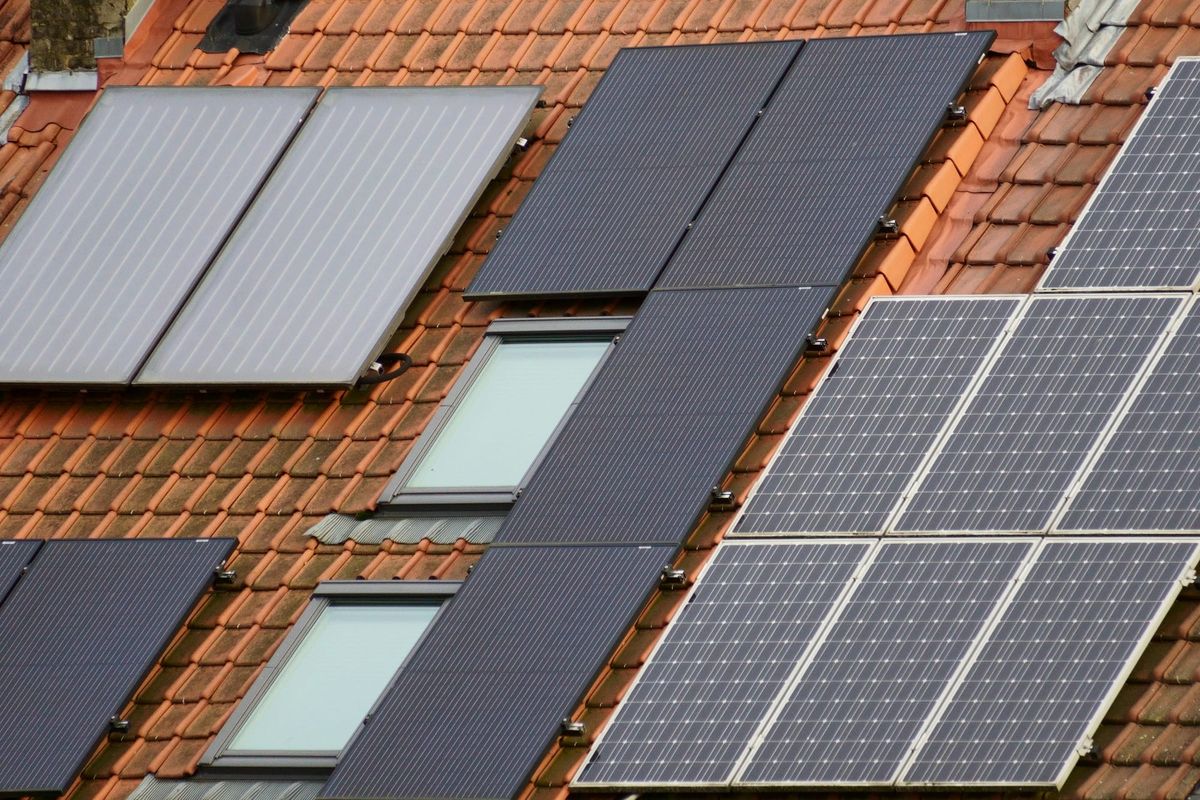 John D
 John D