
Donner Party vs. Aron Ralston: A Tale of Two Survival Strategies
Cannibalism or amputation? Compare two legendary American survival stories and the psychological will to live against impossible odds.

The Edge of Existence: Contrasting Survival in the Donner Party and Aron Ralston's 127 Hours
The stories of the Donner Party in 1846 and Aron Ralston in 2003 represent two of the most extreme, albeit vastly different, accounts of human survival in American history. While separated by over 150 years, both narratives highlight the psychological and physical endurance required when civilization is stripped away, and death becomes a near certainty. The Donner Party, a group trapped by snow, showcases the struggle of communal survival and social breakdown, while Ralston's story is a modern account of individual willpower, extreme decision-making, and solo responsibility. These tales, though gruesome and harrowing, offer profound insights into the human condition when pushed to its absolute limits.
The Donner Party: A Winter of Despair
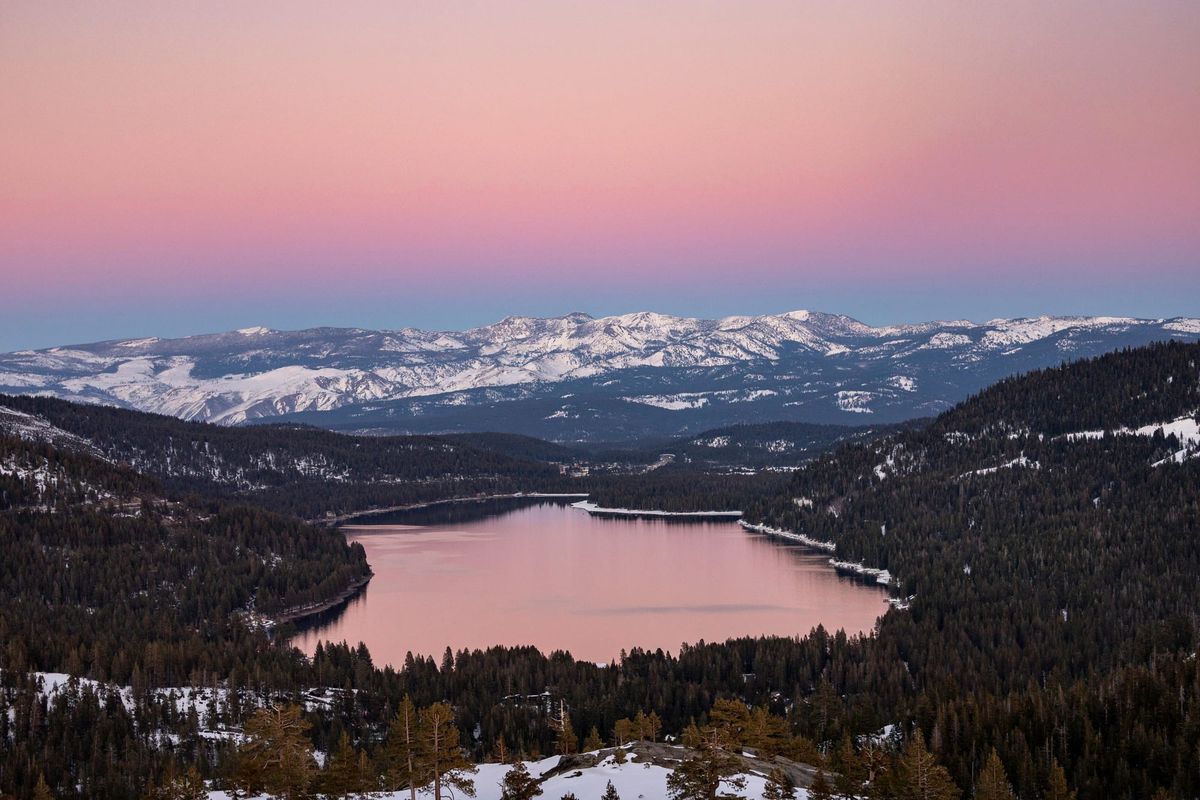
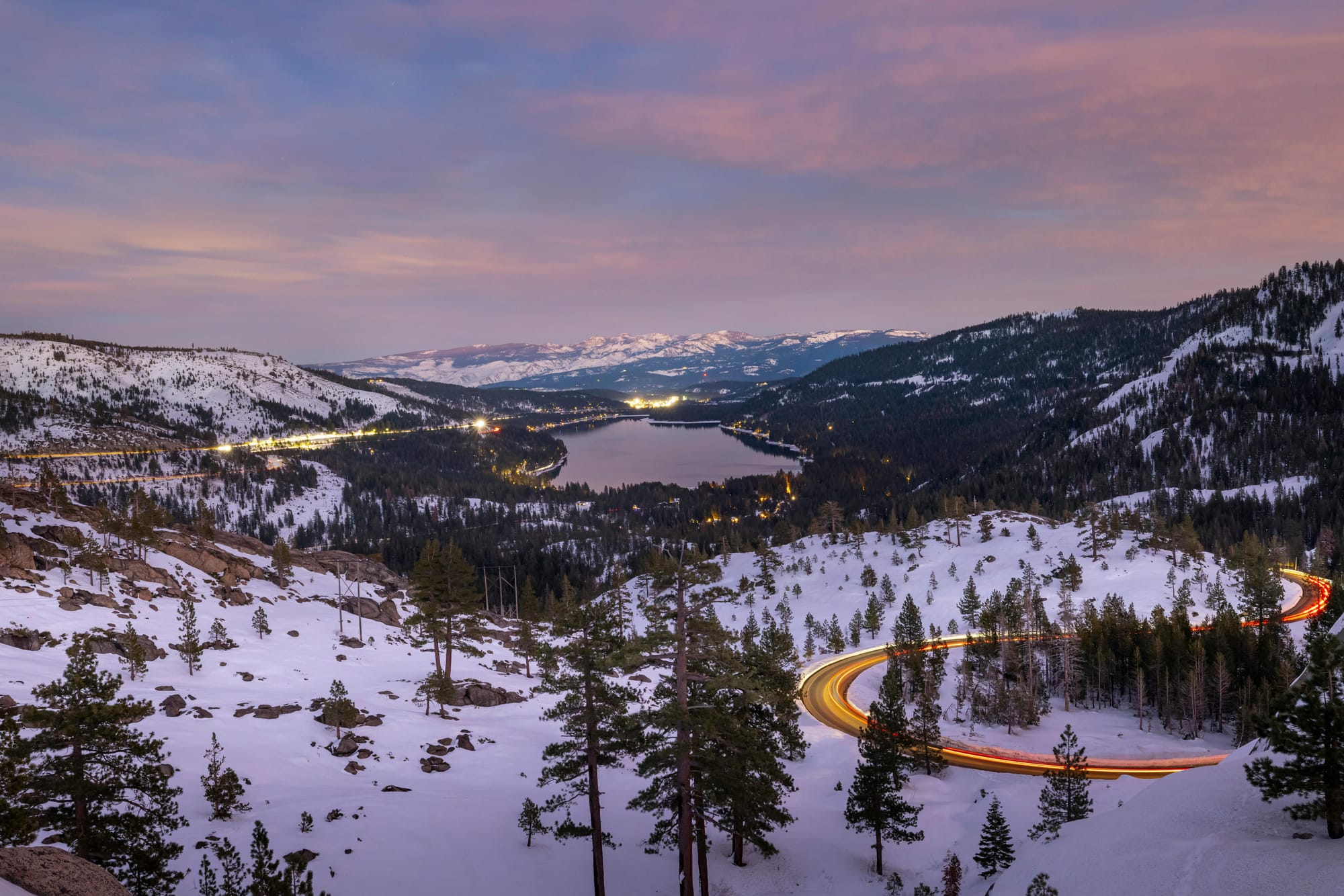
In April 1846, a group of nearly 90 emigrants left Springfield, Illinois, headed for California. Led by brothers Jacob and George Donner, the party made a fatal error by choosing an unproven "shortcut" known as the Hastings Cutoff. This route was intended to save time; however it added roughly 125 miles and cost the party valuable weeks. By the time they reached the Sierra Nevada Mountains in late October, an early, heavy snowfall blocked the pass, trapping them near what is now Donner Lake.
With no escape, the 81 stranded settlers endured four months of starvation, sub-zero temperatures, and severe psychological torment. They were forced to eat their pack animals, then their pets, and eventually boiled ox hides and bark. The mental strain led to a complete breakdown of social norms. While some families managed to support each other, others became selfish, hoarding food and causing tension, particularly for those with less resources.
The most infamous, yet unavoidable, decision was the resort to cannibalism. When individuals died from hunger and exposure, their bodies were consumed to provide sustenance for the living. A subgroup known as the "Forlorn Hope" set out on snowshoes in December to seek help. This group of 15 endured unimaginable hardships, with several members dying and being eaten by their companions before a few survivors reached a Native American village, which led to the first of four rescue parties. By the end of the ordeal in April 1847, only 45 of the original 87 members survived.
The Donner Party's experience demonstrates how survival in extreme conditions becomes a complex social equation. The initial American values of cooperation, community, and religious morality gradually eroded under the relentless pressure of starvation and cold. Diaries from the period reveal how social hierarchies shifted; those with resources or physical strength gained power, while the weak and vulnerable were increasingly marginalized. The cabins became microcosms of society in collapse, with some families sharing meager resources while others turned on each other. The psychological breakdown was as significant as the physical suffering, with survivors reporting hallucinations, paranoia, and profound depression as their minds rebelled against the impossible reality of their situation.
Aron Ralston: 127 Hours of Solitude
In contrast to the collective, agonizing starvation of the Donner Party, Aron Ralston's 2003 survival story is a study in intense, acute individual endurance. A seasoned 27-year-old mountaineer, Ralston was canyoneering alone in Utah's Blue John Canyon when a dislodged 800-pound boulder pinned his right arm against the canyon wall.
Like the Donner Party, Ralston made a critical error before his journey: he failed to tell anyone his exact location. This meant that no one was actively searching for him during the 127 hours (five days) he was trapped. With only a liter of water, two burritos, and a cheap, dull multi-tool, he faced dehydration, hypothermia, and the realization that his trapped arm was becoming gangrenous.
Ralston's survival was driven by a mix of logical calculation and overwhelming psychological pressure. He recorded a video diary, rationed his water, and attempted to break the rock. By the fifth night, knowing he would die if he stayed, Ralston decided to perform an act of desperate, "DIY" surgery: he snapped the bones in his forearm using the boulder's leverage, and then used the dull knife on his tool to cut through his skin, tendons, and muscles. After freeing himself, he had to rappel down a 65-foot cliff and hike seven miles to safety before stumbling upon a family who could call for help.
 John D
Ralston's ordeal reveals the psychological journey of an individual facing certain death. His video diary, later released to the public, documents his progression from hope to despair to acceptance, and finally to decisive action. In the early hours, he experimented with various mechanical solutions to free himself, applying his engineering knowledge to the problem. As days passed and dehydration set in, his thinking became more primal. The turning point came when he realized the boulder was slowly crushing his arm, and that even if rescued, he would likely lose the limb anyway. This realization transformed his perspective from preservation to sacrifice, accepting the loss of his arm to save his life. His story demonstrates how the human mind can overcome its most basic instincts for bodily integrity when faced with the alternative of certain death.

Comparative Survival Strategies
Both stories share common themes of overcoming despair, but their strategies were inherently different.
Support System: The Donner Party's survival was improved by maintaining family structures; those traveling in families had a higher chance of survival compared to single travelers. Conversely, Ralston had zero external support, relying solely on his self-discipline and mental fortitude, which he later said was driven by a longing for connection.
The family units within the Donner Party provided both practical and psychological benefits. Family members shared resources, took turns watching over children, and maintained some semblance of normalcy through domestic routines. This social structure, while eventually breaking down under extreme stress, initially provided a buffer against the psychological trauma of their situation. In contrast, Ralston's complete isolation forced him to generate his own motivation and hope. His later reflections revealed that thoughts of his family and friends became his primary psychological sustenance during the ordeal.
The Psychological Turning Point: The Donner Party faced a slow decline in morale and morality, where the horror of their situation gradually wore them down. For Ralston, the tipping point was an "epiphany" of mortality that triggered a final, decisive action, transforming his despair into action.
The Donner Party's psychological deterioration was gradual, with each small hardship accumulating until their moral frameworks completely collapsed. The decision to resort to cannibalism wasn't made in a single moment but evolved through incremental compromises with their values. Ralston, however, experienced a sudden epiphany when he envisioned his future tombstone, realizing that no one would ever find his body. This vision of absolute oblivion catalyzed his decision to amputate his arm. The contrast between these psychological turning points reveals how different survival scenarios: prolonged group suffering versus acute individual crisis; produce distinct mental pathways to survival.
The Cost of Survival: The Donner Party's survival was a chaotic, often gruesome communal effort that resulted in intense trauma and enduring stigma. Ralston's survival was an acute, personal action that left him with a severe physical disability but also a new sense of purpose and appreciation for life.
The survivors of the Donner Party carried lifelong psychological scars and social stigma. Many changed their names and moved away to escape the notoriety of their ordeal. Their story became a cautionary tale rather than a celebration of human endurance. Ralston, meanwhile, transformed his trauma into inspiration. He continued mountain climbing, adapted his prosthetic arm for extreme sports, and became a motivational speaker. His story, while horrifying, ultimately became a testament to human determination rather than a tale of degradation.
Lessons for Modern Survivalists
These contrasting survival stories offer valuable lessons for those preparing for potential disasters:
The Value of Communication: Both the Donner Party and Ralston suffered from failure to communicate their plans. In an age of instant communication, it's easy to overlook this basic survival principle. Always leave detailed information about your plans and expected return time.
The Power of Mental Preparation: While physical skills and equipment are important, both stories demonstrate that psychological resilience often determines survival. Developing mental toughness through challenging experiences, visualization techniques, and stress inoculation can prepare you for crisis situations.
Understanding Group Dynamics: The Donner Party experience reveals how quickly social structures can break down under stress. In group survival situations, establishing clear leadership, equitable resource distribution, and conflict resolution mechanisms before crisis occurs can prevent social collapse.
The Willingness to Make Sacrifices: Both stories required survivors to overcome their most basic aversions. While most will never face such extreme choices, the principle remains: survival sometimes requires sacrificing comfort, possessions, or even body parts to preserve life.
Adaptability to Circumstances: The Donner Party initially tried to maintain their 19th-century social norms and dietary habits, while Ralston quickly adapted to his physical constraints. Successful survival often requires rapid adaptation to new realities rather than clinging to preconceived notions of how things "should be."
John D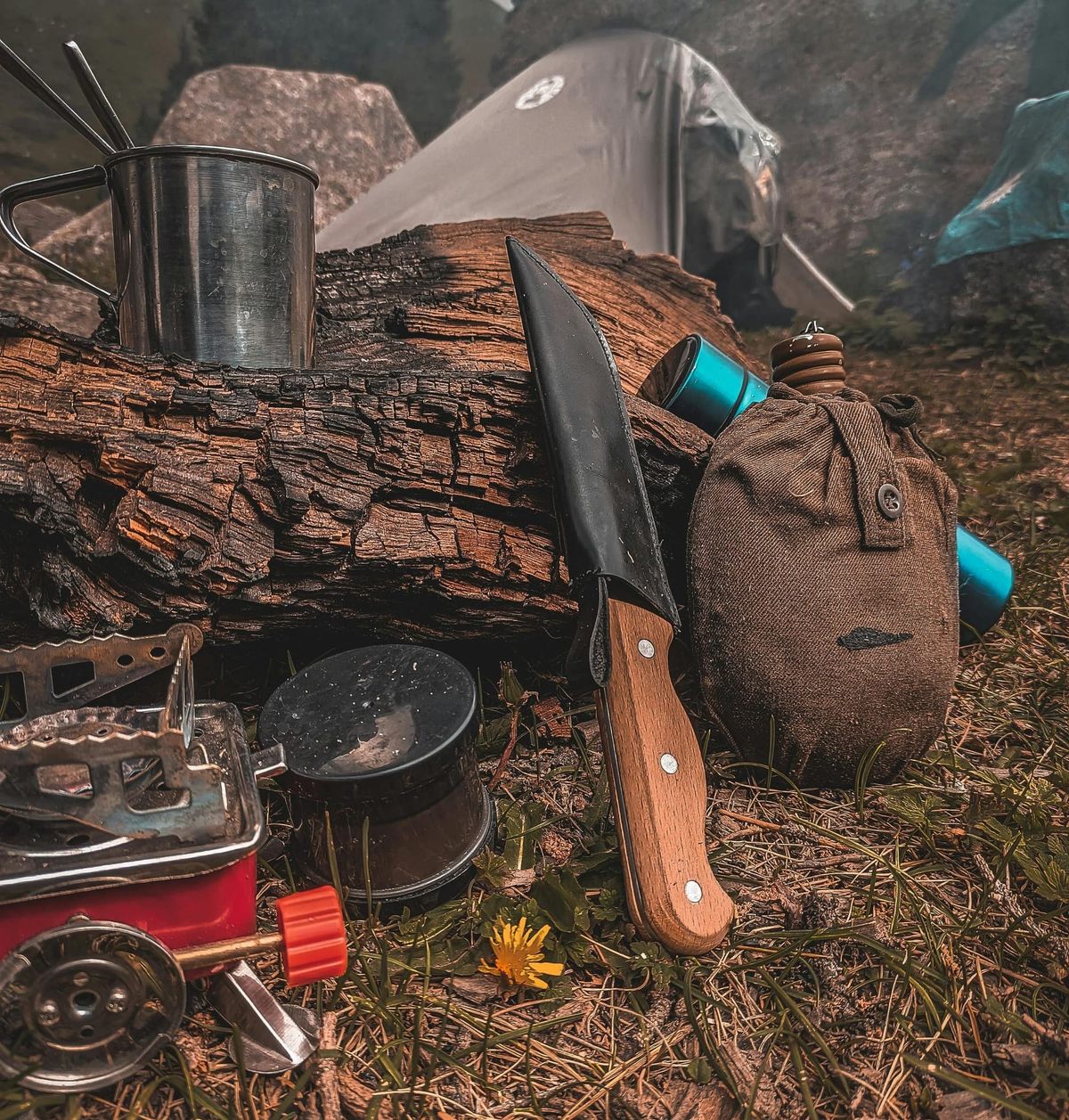
Conclusion
Ultimately, both narratives highlight the intense human instinct to survive, no matter the cost. Whether it was the slow, desperate decisions of the stranded pioneers in the Sierra Nevada or the rapid, visceral choice of a man in a slot canyon, both accounts demonstrate that human willpower can endure extraordinary conditions. These stories remind us that survival is not merely about physical strength or technical skills but about the resilience of the human spirit when confronted with its own mortality.
The Donner Party and Aron Ralston represent two poles of the survival experience: communal versus individual, gradual versus acute, moral degradation versus self-sacrifice. Yet both reveal fundamental truths about human nature. We are creatures of profound adaptability, capable of recalibrating our entire moral and ethical framework when the alternative is extinction. The pioneers who resorted to cannibalism and the mountaineer who amputated his own limb both crossed lines previously thought impassable, demonstrating that the will to live can override our most deeply ingrained taboos and instincts.
John D
These contrasting cases also highlight the critical importance of decision-making under duress. The Donner Party's fatal choice to follow an unproven shortcut set in motion a chain of disasters, while Ralston's failure to leave his itinerary with anyone condemned him to face his ordeal alone. Their stories serve as stark reminders that survival often begins long before the actual crisis, in the choices we make, the preparations we undertake, and the awareness we maintain of our environment and limitations.
For the modern survivalist, these historical accounts offer more than just morbid fascination; they provide a laboratory for understanding human behavior at its absolute extreme. They teach us that the greatest survival tool is not a knife or a fire starter, but a mind that can adapt, a spirit that can endure, and a will that can overcome. The Donner Party shows us how quickly social contracts dissolve when resources become scarce, while Ralston demonstrates how the human mind can find clarity and purpose in the face of certain death.
Perhaps most importantly, both stories challenge our comfortable assumptions about what we would do in similar circumstances. We like to believe we would maintain our moral integrity, that we would be the heroes rather than the ones who break down. Yet these accounts suggest that survival often requires us to become someone we never imagined we could be, sometimes better, sometimes worse, but always different.
In the final analysis, the Donner Party and Aron Ralston stand as bookends in the American narrative of survival, reminding us that when civilization falls away, what remains is something both terrifying and magnificent: the raw, unfiltered human spirit, stripped of pretense and convention, fighting against the darkness with whatever means it can muster. Their stories are not just about staying alive but about what it means to be human when all that defines our humanity is stripped away, leaving only the fundamental, undeniable will to live another day.
 John D
 John D
 John D
 John D