The Scout, Pioneer, Settler Framework: Why Your Modern Homestead Fails Without It
Why do homestead dreams fail? They're recruiting settlers for a scout's journey. Learn about Scouts, Pioneers, and Settlers to build your homestead.

The Unchanging Frontier: Why Every Modern Homesteader is a Scout, Pioneer, or Settler
In the digital age, amidst the glow of screens and the endless scroll of curated realities, a primal yearning persists. It is the call of the frontier, the desire to step outside the rigid confines of modern society and build something tangible, something real, with one's own hands. This is the modern homesteading movement, a dream of self-reliance, community, and a return to the land. Yet, for every dreamer who sketches a floor plan or browses land listings, there are a thousand who remain paralyzed, their ambitions trapped in a state of perpetual planning. They are waiting for a sign, a partner, or a moment of perfect certainty that never arrives. To understand this paralysis, and to find a path forward, we must return to an old, distinctly American framework, one etched into our collective folklore: the immutable distinction between the scout, the pioneer, and the settler. These are not just historical relics; they are the three fundamental archetypes of human endeavor, and their roles are as relevant today on the digital and agricultural frontier as they were in the days of westward expansion.
The first archetype, and the most misunderstood, is the Scout. The scout is the pathfinder, the individual who ventures into the unmapped wilderness with nothing but skill, instinct, and a tolerance for extreme uncertainty. In American folklore, the scout was the mountain man, the lone trapper like Jedediah Smith who could read the stars, navigate by the lay of the land, and survive where others would perish. His job was not to build a town, but to return with a map. He was the first to face the risks and the first to discover the rewards. The modern scout is the homesteader who, long before a single stake is driven, spends years researching, testing, and validating. He is the one who bootstraps the initial capital, not from a community fund, but from a second job and disciplined saving. He is the one who dives deep into the legal intricacies of LLCs, water rights, and zoning codes, charting a course through a bureaucratic wilderness. He is the one who, alone, takes the biggest risk: betting his own time, money, and sanity on a vision that exists only in his mind. The scout’s work is solitary and often thankless. He produces no tangible community, only a validated plan. He is the one who must accept that the cavalry is not coming, that if this homestead is to become a reality, the initial burden is his and his alone. His success is not measured in a thriving community, but in the creation of a viable blueprint, a map for others to follow.
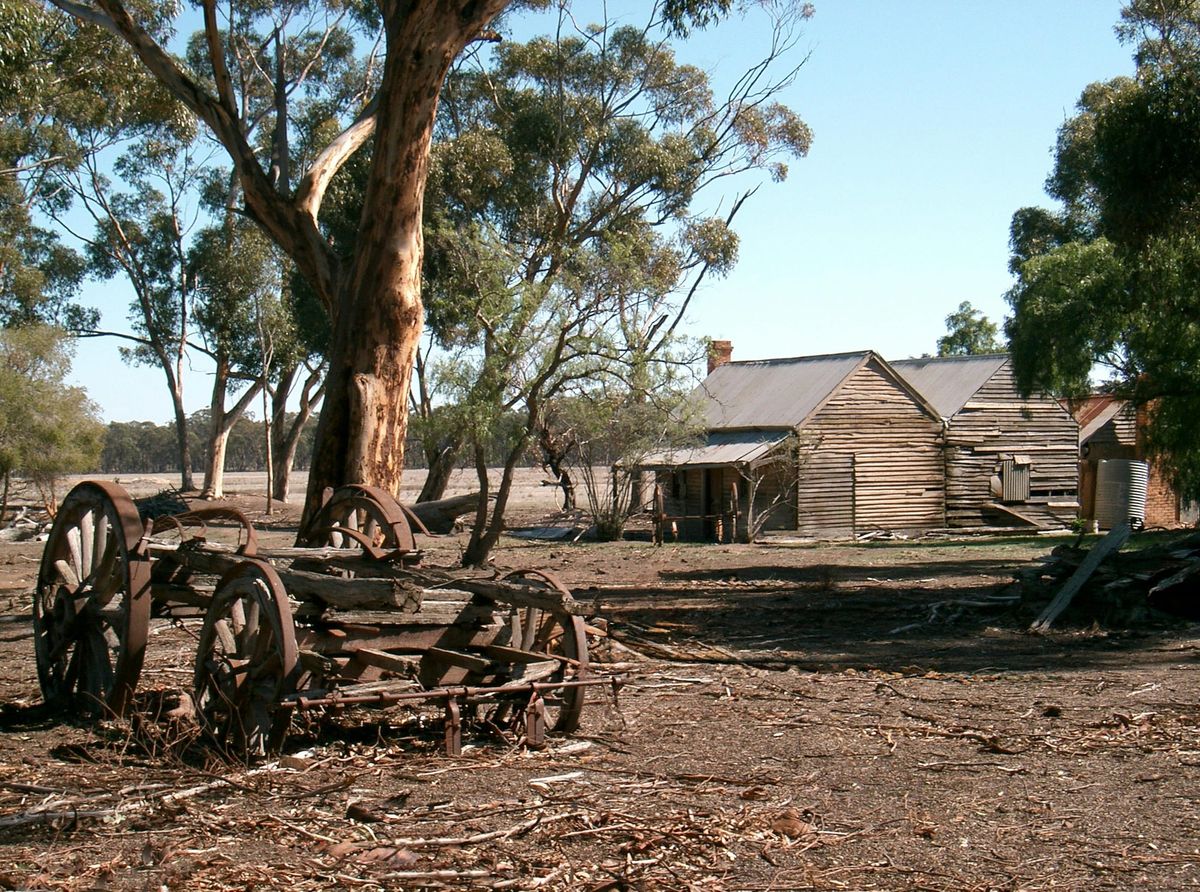
Once the scout returns with his map, the second archetype emerges: the Pioneer. The pioneer is the first wave of capital and committed labor. He is the one who sees the scout’s report and says, "I will bet my family's future on this." In folklore, he is the family in the covered wagon, leaving behind the relative safety of the East to follow the Oregon Trail. He is the one who fells the first trees, digs the first well, and builds the first log cabin under the open sky. The pioneer’s work is not about exploration; it is about establishment. He takes the scout’s information and turns it into a tangible foothold. The modern pioneer is the co-founder, the partner who looks at the scout's validated plan and puts in the first $25,000. He is the one who quits his stable job to move onto the raw land and live in a camper while the foundation is poured. The pioneer and the scout form the initial, core group. They are the ones who share the greatest risks and the heaviest lifting. They are not building a utopia for others; they are building their own future, brick by painful brick. This stage is defined by immense struggle and a relentless focus on the fundamentals: shelter, water, food, and power. The pioneer does not have the luxury of debating governance models; he is too busy ensuring the roof doesn't leak. While the scout’s currency is information, the pioneer’s is sweat and equity. Together, they create the initial, de-risked asset that makes the entire venture conceivable to anyone else.
It is only after the cabins are built, the well is flowing, and the first harvest is secured that the third and most numerous archetype arrives: the Settler. The settler is not a coward; he is a pragmatist. He is the essential mass that transforms a precarious outpost into a stable community. In American history, the settler arrived when the railroad had reached the town, when a general store stood, and when the threat of starvation had been largely neutralized. He brought new skills, new families, and the critical mass needed for a school, a church, and a local economy. The modern settler is the person who joins the homestead project after the foundational risks have been absorbed. He sees the functioning solar array, the established gardens, and the proven governance structure and thinks, "This is a viable, low-risk opportunity for my family." He is the one who can contribute meaningfully because his basic needs are already met. He can focus on specialized tasks like building a workshop, starting a business, or homeschooling the children. The settlers are the lifeblood of a mature community, but they would never, and should never, have been the first to arrive. Their rational caution is what makes them excellent community members, but it disqualifies them from the roles of scout and pioneer.
The tragedy of many modern homesteading projects is a fundamental misunderstanding of these roles. The scout, exhausted from his solitary journey and desperate for help, tries to recruit settlers to be his co-pioneers. He presents his map, the business plan, the governance structure, to people who are still standing on the shore, waiting for news of a successful landing. They may praise the map, call it a "good idea," but they will not fund the voyage. They are waiting for the pioneers to build the log cabins. This creates a painful paradox: the project needs more people to begin, but the right people won't join until it has already begun. The only way out of this trap is for the scout to accept his role. He must complete his mission, or find his pioneer, and build the first cabin himself. He must stop trying to sell the dream and start creating the proof.
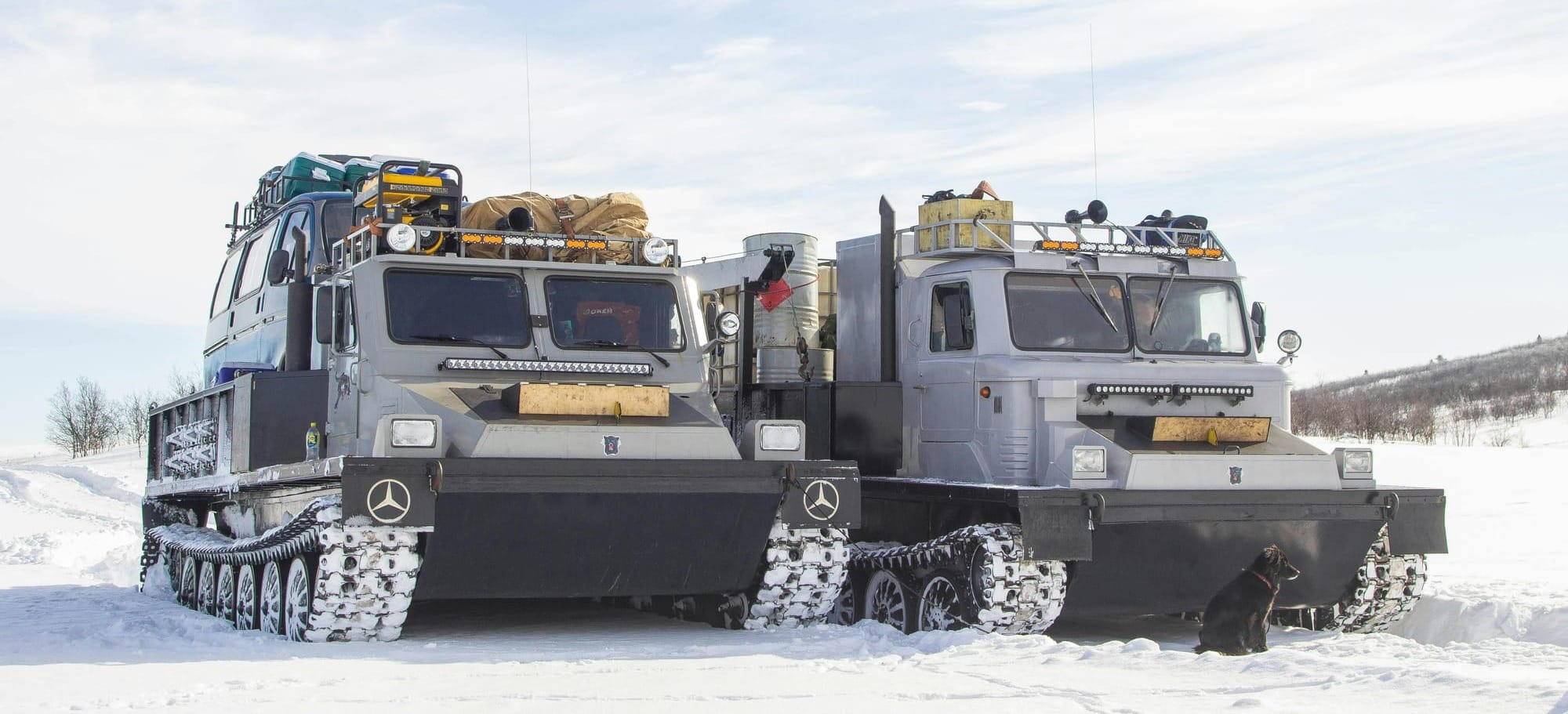
This is the unchanging reality of the frontier, whether it is the Louisiana Territory or a plot of land in rural America. The folklore of the American West is not a collection of quaint stories; it is a timeless instruction manual on the physics of human progress. The scout ventures into the unknown. The pioneer builds the first structure. The settler creates the community. Each role is vital, but they are sequential, not interchangeable. To be a modern homesteader is to ask yourself which role you are truly meant to play. Are you the scout, willing to bear the solitude and risk of charting the path? Are you the pioneer, ready to commit your full resources to building the initial foothold? Or are you the settler, who will provide the stability and growth needed for long-term success, but only after the foundation is secure?
There is no shame in being a settler. The vast majority of people are, and a successful community cannot exist without them. The shame is in a scout pretending to be a settler, waiting for a partner who will never come, and a pioneer waiting for a community that does not yet exist. The modern homesteading dream will only become a reality when a few individuals accept the brutal, unforgiving, and ultimately glorious burden of being the first to venture out, to build the cabins, and to prove the dream is real. Only then can the signal fires be lit, beckoning to those waiting on the shore that their time has finally come.
 John D
 John D
 John D
 John D
 John D