Soil Chemistry for Off-Grid Homesteads: pH, Moisture, Crop Selection, and Basic Outdoor Growing
A practical guide to soil pH, moisture testing, crop preferences, and outdoor soil management for off-grid homesteads.

Soil Chemistry for Off-Grid Homesteads: The Basic Outdoor Growing Knowledge
For an off-grid homestead, soil chemistry is not an abstract science topic. It is the difference between a garden that feeds people and a garden that slowly disappoints you. You can have good seeds, decent rainfall, a strong work ethic, and a beautiful plot of land, but if the soil is too acidic, too alkaline, too compacted, too depleted, or too poorly drained, the plants will struggle before they ever have a fair chance.
The goal is not to become a laboratory chemist. The goal is to understand the few soil variables that matter most: pH, moisture, organic matter, drainage, and the basic nutrient cycle. Once those are under control, outdoor growing becomes much less mysterious.
For a small homestead or intentional community, soil knowledge also reduces dependency. If you understand your soil, you do not need to blindly buy bags of fertilizer, over-apply amendments, or guess why plants are yellowing. You can test, observe, amend, and adapt. That is the real off-grid value: not rejecting outside inputs entirely, but becoming less dependent on panic-buying them.
 John D
Soil pH: The First Number to Understand
Soil pH measures how acidic or alkaline the soil is. A pH of 7 is neutral. Below 7 is acidic. Above 7 is alkaline. The scale is logarithmic, meaning a soil with a pH of 5.5 is ten times more acidic than soil at 6.5, not just “one point lower.” That is why small pH differences can have large effects on plant growth.
For most outdoor vegetable gardens, the practical target is slightly acidic to near-neutral soil. Many vegetables grow well somewhere around pH 6.0 to 7.0, with many extension sources treating roughly 6.5 as a strong general-purpose garden target. This range matters because pH affects how available nutrients are to the plant. If the pH is too low or too high, nutrients may exist in the soil but remain chemically difficult for the plant to absorb.
In very acidic soils, some nutrients and metals become too soluble. NC State Extension notes that low pH can increase the availability of manganese, zinc, copper, iron, and potentially toxic aluminum. At the other extreme, alkaline soils can make nutrients such as iron and phosphorus harder for plants to access. The result may look like “fertility failure,” even when the deeper problem is pH.
Match the Crop to the Soil Before Forcing the Soil to Change
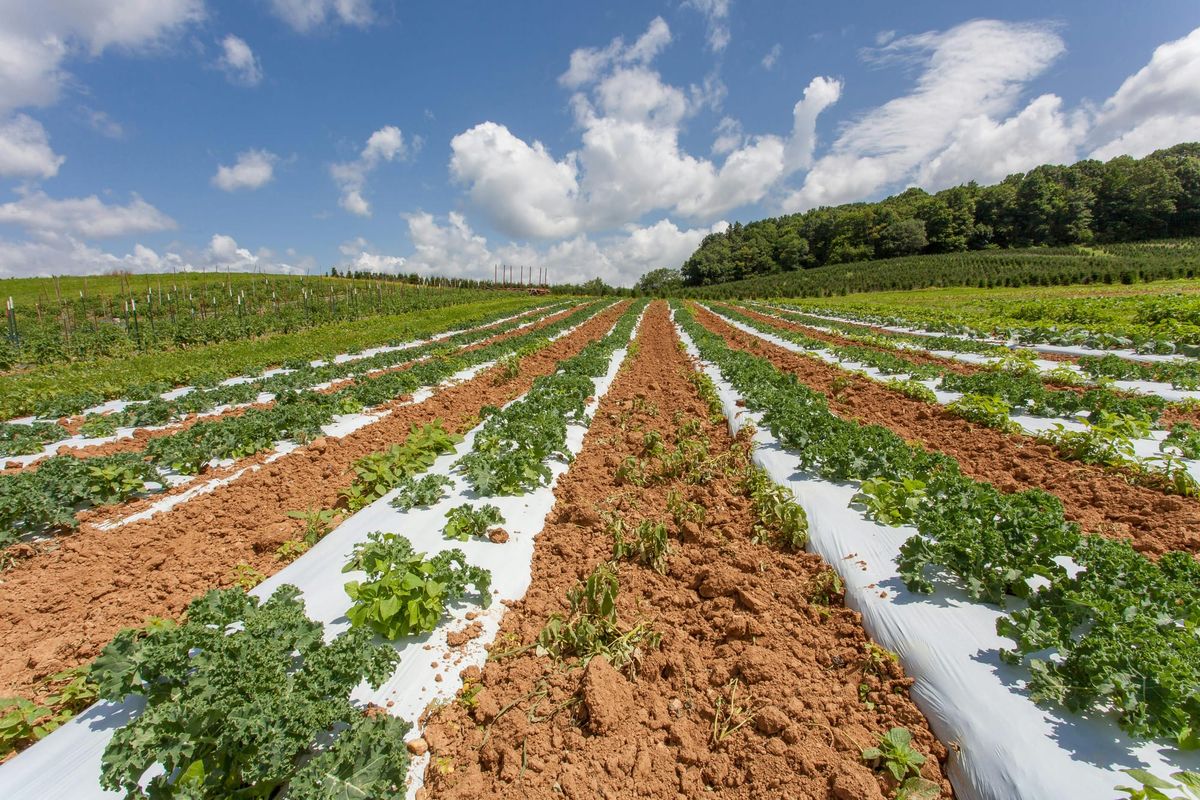
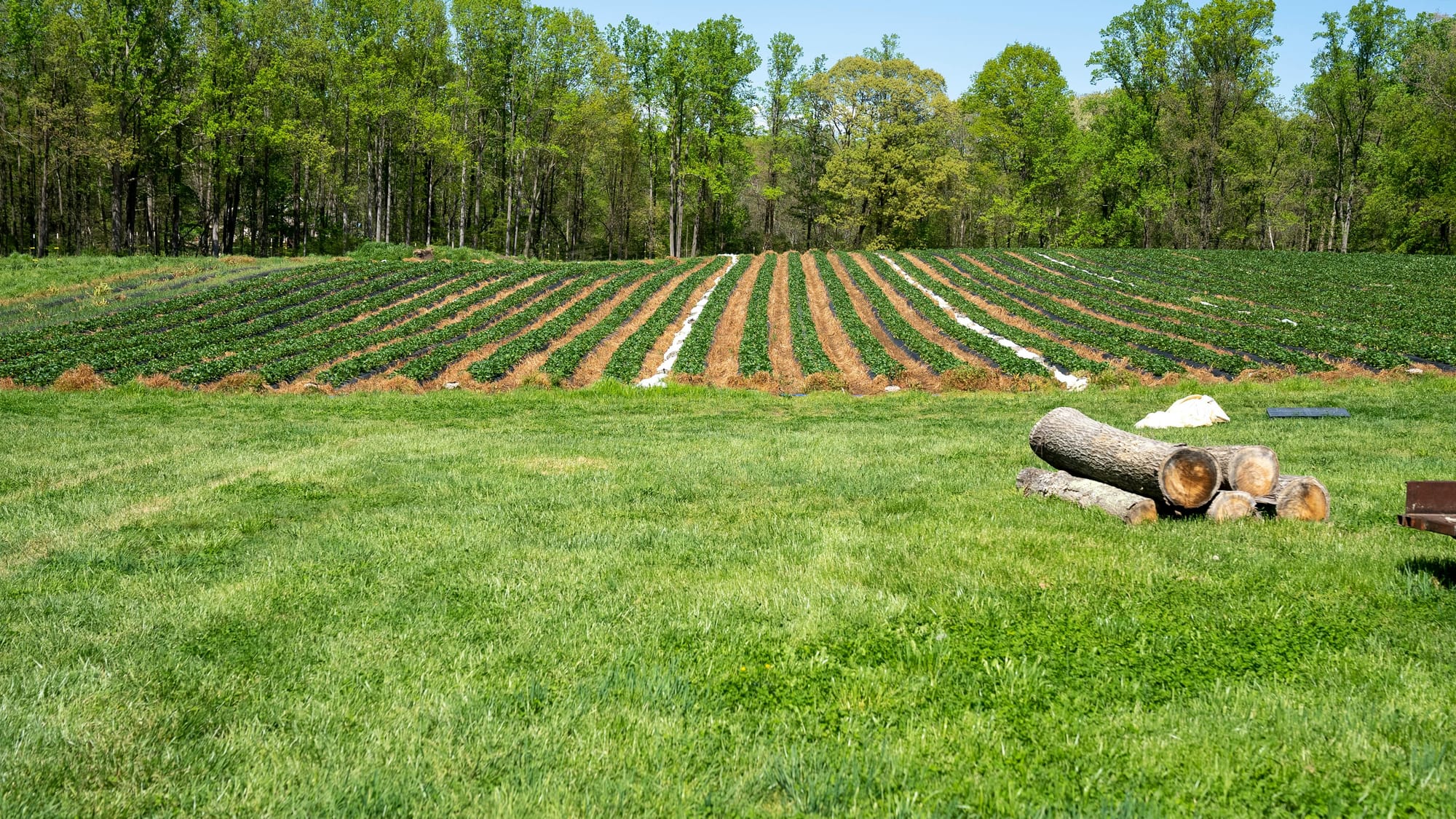
One of the most practical homesteading rules is simple: grow what fits your soil before spending years trying to turn your soil into something else. If your land is naturally acidic, you may be in a good position for potatoes, blueberries, cranberries, or certain berries. If your soil is closer to neutral, you may have an easier time with brassicas, beans, peas, onions, beets, asparagus, lettuce, tomatoes, peppers, squash, and corn.
That does not mean you can never amend soil. It means amendments should support a reasonable goal. Trying to convert a large alkaline field into a blueberry patch may be expensive and frustrating. Trying to create one dedicated acidic bed for blueberries is much more realistic.
A practical crop pH reference looks roughly like this:
| Crop group | General pH preference | Notes |
|---|---|---|
| Blueberries | 4.5–5.5 | True acid-loving crop; often needs a dedicated acidic bed. |
| Potatoes | 5.0–6.0 | Tolerates acidic soil; lower pH can also reduce potato scab risk. |
| Sweet potatoes | 5.5–6.2 | More tolerant of slightly acidic soil. |
| Tomatoes, peppers, eggplant | Around 6.2–6.5 | Strong general garden crops in slightly acidic soil. |
| Beans and peas | Around 6.0–7.0 | Prefer near-neutral conditions for strong growth and nitrogen fixation. |
| Brassicas: cabbage, broccoli, kale, cauliflower | Around 6.2–7.0 | Often do better when soil is not too acidic. |
| Beets, spinach, onions, asparagus | Around 6.5–7.0 | Generally less happy in strongly acidic soil. |
| Corn, squash, cucumbers, pumpkins | Around 6.0–7.0 | Flexible garden staples if fertility and water are adequate. |
The exact number varies by source, region, soil type, and cultivar, but the overall pattern is stable: most vegetables want slightly acidic to neutral soil, while blueberries and some berry crops are major exceptions. University of Maryland’s vegetable pH table lists target pH values such as 6.8 for asparagus, 6.5 for beets and brassicas, 6.5 for peppers and peas, and lower values for white potatoes, while UVM Extension notes that most vegetables and berries prefer around 6.5–6.8, with blueberries preferring a much lower range around 4.5–5.5.
How to Test Soil pH
The best option is a proper soil test through a local extension service, university lab, or reputable soil lab. A lab test can usually tell you pH, organic matter, phosphorus, potassium, calcium, magnesium, and sometimes micronutrients, while also recommending lime or fertilizer rates. For a homestead, this is worth doing before establishing major gardens, orchards, berry patches, or pasture improvements.
Testing should be distributed; rather than a single scoop, try testing samples from different sections of the property. Soil can vary dramatically across a yard, field, slope, old garden bed, compacted driveway edge, former burn pile, or livestock area. University of Maryland Extension recommends taking separate samples from distinct areas and collecting 10–12 random subsamples per area, usually from the top 6–8 inches for garden and landscape beds.
Cheap home pH kits and meters can be useful for rough screening, but they should not be treated as perfect. They are best used for trend-checking: “Is this bed strongly acidic, roughly neutral, or very alkaline?” For serious amendments, especially lime or sulfur, a real soil test is better. Overcorrecting soil can create a new problem that takes years to undo.
John D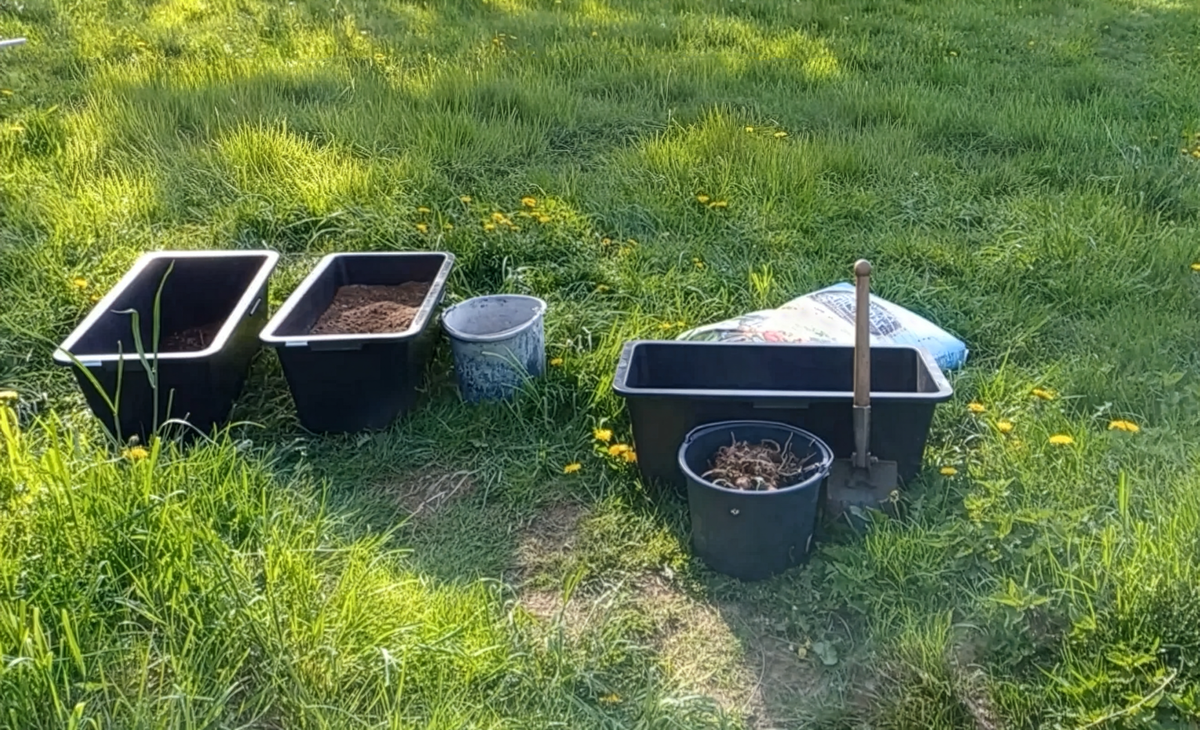
How to Change pH Without Making a Mess
If soil is too acidic, agricultural lime is the standard amendment. Calcitic lime mainly adds calcium, while dolomitic lime adds both calcium and magnesium. Which one is better depends on your soil test. If your magnesium is already high, dolomitic lime may not be ideal. If your magnesium is low, it may be helpful.
Wood ash can also raise pH because it is alkaline, but it should be treated carefully. It is not just “free garden powder.” It can push soil too alkaline, add salts, and harm acid-loving crops. Use only clean, untreated wood ash, never ash from painted, treated, plastic-contaminated, or trash-contaminated material. Clemson Extension lists agricultural limestone and wood ash as ways to raise soil pH, but also emphasizes testing before adjustment.
If soil is too alkaline, elemental sulfur is commonly used to lower pH, though it works slowly and depends on soil biology, temperature, and moisture. Aluminum sulfate can lower pH faster, but it is more aggressive and easier to misuse. For homestead purposes, the better strategy is usually to create dedicated beds for acid-loving crops rather than trying to acidify an entire field. Clemson Extension identifies elemental sulfur and aluminum sulfate as common ways to lower pH, while still placing soil testing as the first step.
John D
Moisture Is Soil Chemistry Too
Moisture is not just a watering issue. It changes chemistry. Too much water can push oxygen out of the soil, stress roots, encourage disease, and leach nutrients downward. Too little water slows microbial activity, nutrient cycling, and plant uptake. A plant cannot use nutrients effectively if the soil is bone dry, even if the nutrient levels are technically adequate.
The simplest low-tech method is the feel-and-appearance method. Dig into the root zone, take a small sample, squeeze it, and observe whether it forms a ball, crumbles, stains the hand, ribbons, or feels powdery. The USDA NRCS describes this method as a way to monitor soil moisture and decide when and how much to irrigate, while University of Minnesota Extension recommends sampling at several depths and locations in the root zone.
For a basic outdoor garden, you do not need a complicated sensor network. A trowel, soil probe, notebook, and consistent observation can go far. Check moisture a few inches down, not just at the surface. The surface can look dry while the root zone is still moist, or look damp after a light rain while the deeper soil remains dry.
If you want a slightly more advanced but still practical tool, tensiometers can measure soil water tension, which is basically how hard plant roots must work to pull water from soil. Oregon State Extension describes tensiometers as soil moisture sensors commonly used in horticultural, vegetable, and specialty crop systems where irrigation is frequent and soil conditions are monitored closely.
John D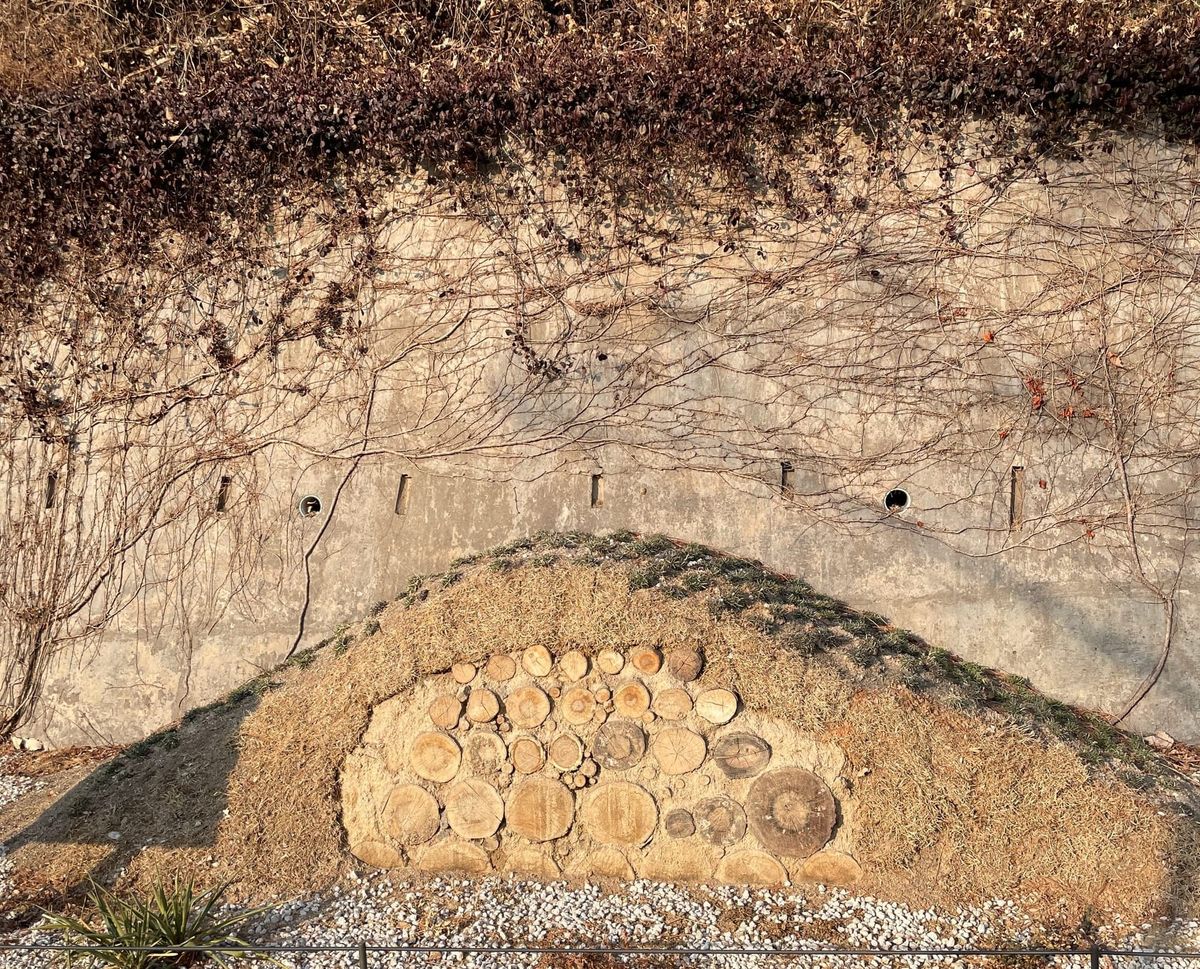
Organic Matter: The Homestead Soil Bank
Organic matter is the long-term fertility engine of outdoor growing. Compost, leaf mold, decomposed manure, mulch, cover crops, crop residues, and living roots all help build a soil system that holds water, cycles nutrients, supports microbes, and improves structure.
This matters especially off-grid because organic matter reduces dependency on purchased fertilizer and irrigation. A sandy soil with low organic matter dries out quickly and loses nutrients easily. A clay soil with poor structure may hold water but suffocate roots. Organic matter helps both situations, though it will not transform bad soil overnight.
NRCS describes healthy soil systems as having improved organic matter, better nutrient storage and cycling, and better water absorption and retention. That is exactly what a homestead needs: not just a chemically “fertile” soil, but a resilient soil that can buffer drought, heavy rain, and inconsistent inputs.
Nutrients: NPK Is Only the Beginning
The three famous macronutrients are nitrogen, phosphorus, and potassium. Nitrogen supports leafy growth. Phosphorus supports roots, flowering, and energy transfer. Potassium supports water regulation, disease resistance, and overall plant vigor; however, soil fertility is broader than NPK.
Calcium, magnesium, and sulfur also matter. So do micronutrients such as iron, manganese, zinc, boron, copper, and molybdenum. The catch is that more is not always better. Nutrients can be deficient, excessive, unavailable because of pH, or physically present but biologically inaccessible.
This is why random fertilizing is a weak strategy. Yellow leaves do not automatically mean “add nitrogen.” Poor growth does not automatically mean “add compost.” Blossom-end rot in tomatoes is often associated with calcium transport problems, but inconsistent watering may be the real trigger. A soil test plus observation is better than guessing.
John D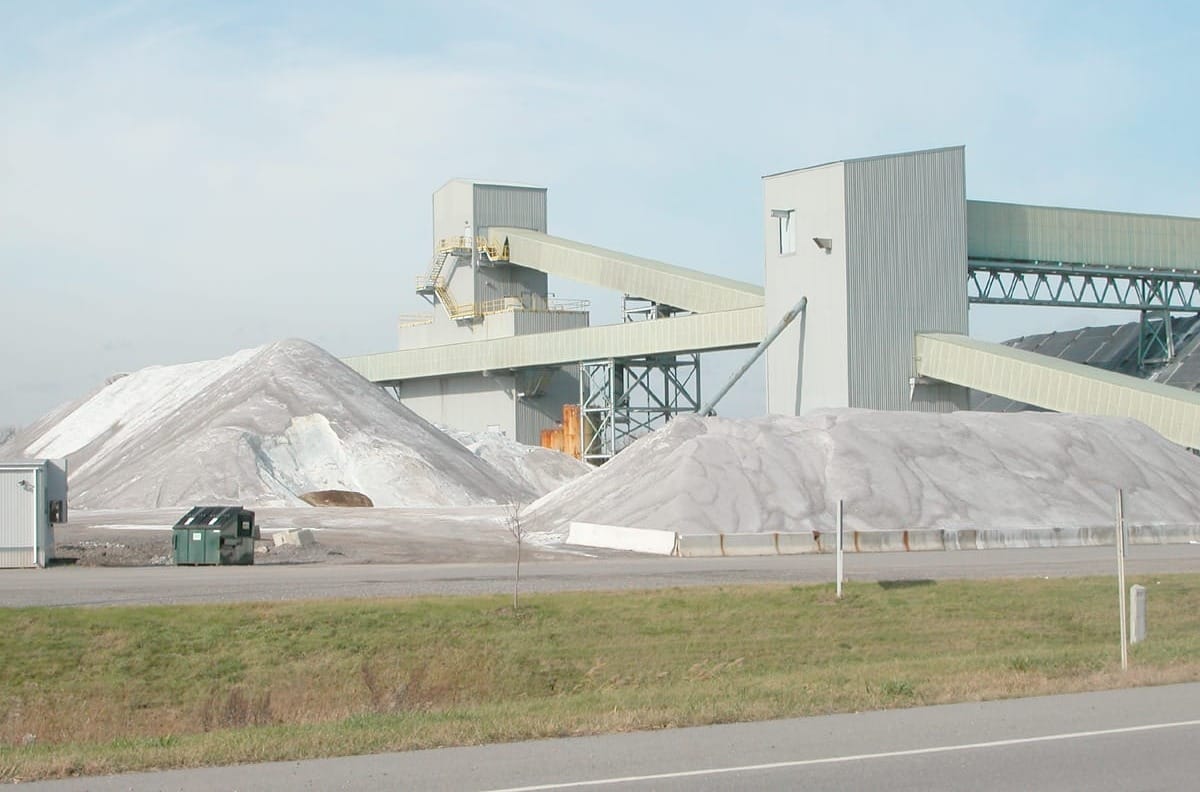
Soil Texture and Drainage
Soil texture is the sand-silt-clay balance. Sandy soil drains quickly, warms fast, and is easy to work, but it loses water and nutrients. Clay soil holds nutrients and water, but it compacts easily and can suffocate roots if poorly managed. Silt and loam sit between those extremes.
The off-grid mistake is trying to “fix” soil texture with one dramatic amendment. Do not dump sand into clay and expect instant loam. You may create something closer to concrete. The better approach is organic matter, mulch, permanent beds, reduced compaction, cover crops, and patience.
Drainage is just as important as fertility. If a bed stays waterlogged, roots suffer. If a slope dries instantly, crops struggle in summer. For a basic outdoor garden, map the land after rain. Watch where water pools, where it runs, where soil crusts, and where weeds grow vigorously. Weeds are often soil indicators. They tell you where fertility, compaction, moisture, or disturbance patterns are different.
A Simple Homestead Soil Plan
Start by dividing your growing area into zones: vegetable garden, orchard, berry patch, herb bed, field crops, compost area, and future expansion areas. Test each major zone separately. Do not mix soil from the blueberry patch, vegetable garden, and orchard into one sample. That hides useful information.
Next, record pH, texture, drainage, sun exposure, moisture behavior, and plant performance. Keep a garden notebook. Over time, this becomes more valuable than any single test result.
Then match crops to conditions. Put blueberries or potatoes in more acidic zones. Put brassicas, onions, beets, lettuce, and asparagus in beds closer to neutral. Use raised beds where drainage is poor. Use mulch where moisture evaporates too fast. Use compost as a long-term soil builder, not as a magic cure.
Finally, amend slowly. Soil is not a machine where you turn a dial and get a perfect result. Lime takes time. Sulfur takes time. Organic matter takes time. The goal is not instant perfection. The goal is a steady trend toward soil that grows more food with fewer emergency inputs each year.
For off-grid homesteading, soil chemistry is practical resilience. It tells you what to grow, where to grow it, when to water, when to amend, and when to leave the soil alone. The more you understand the ground under your feet, the less dependent you become on guesswork, retail fertilizer, and fragile supply chains.
Permaculture is a land-design philosophy focused on building productive ecosystems that work with natural patterns instead of constantly fighting them. In soil health, this means prioritizing living roots, compost, mulch, perennial plants, crop diversity, water retention, reduced tillage, and closed-loop nutrient cycling. Rather than treating soil as an inert growing medium that must be repeatedly corrected with external inputs, permaculture treats soil as a living system. Healthy soil stores water, supports fungi and microbes, recycles organic matter, buffers drought, and gradually becomes more fertile over time. For an off-grid homestead, this makes permaculture especially useful because it reduces dependence on purchased fertilizer, irrigation, and chemical intervention while improving long-term food resilience.
John D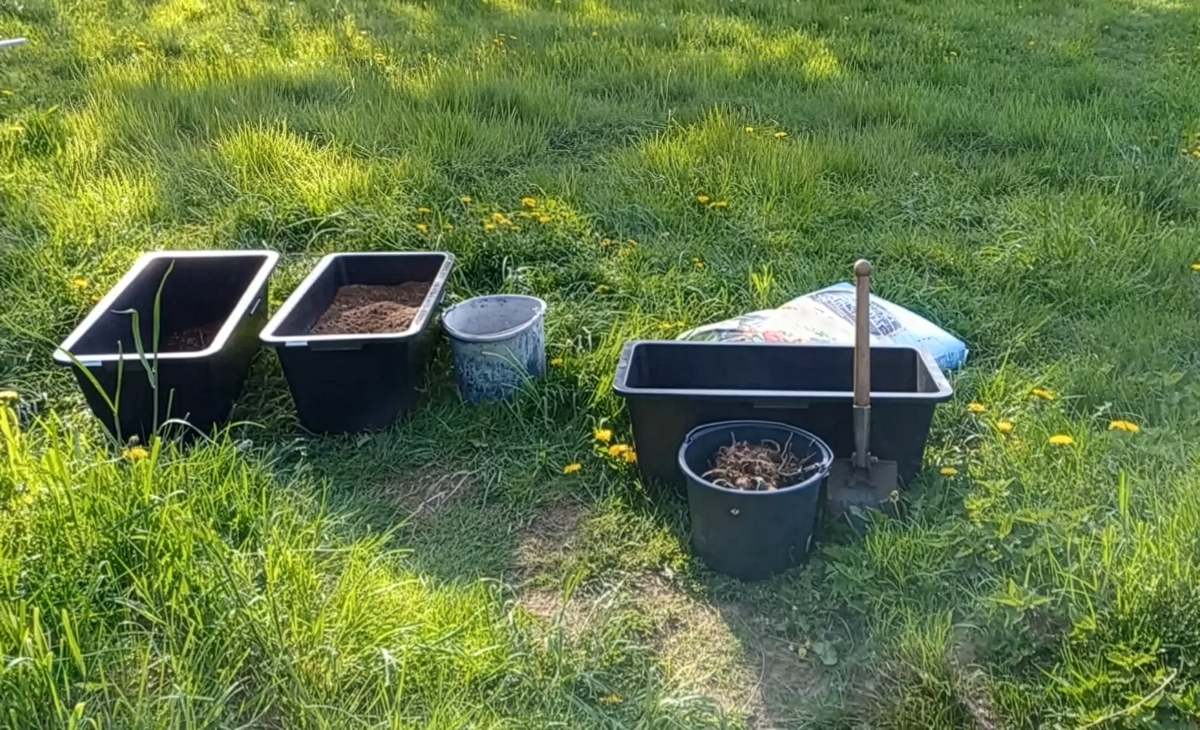 John D
 John D
 John D
 John D
 John D
 John D
 John D