Computing
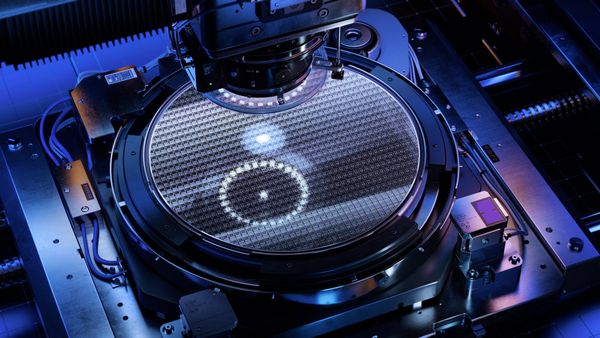
Multi-Column Electron-Beam Lithography: Why E-Beam Direct Write Cannot Replace EUV
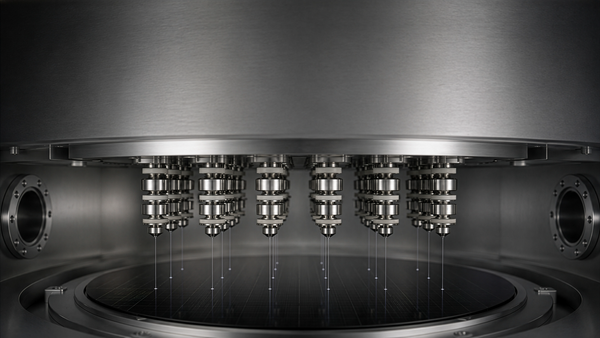
A single e-beam column writes one 300mm wafer in 50 to 60 hours. An EUV scanner does 220 an hour. The four-order gap defines where maskless wins.
Computing
A single e-beam column writes one 300mm wafer in 50 to 60 hours. An EUV scanner does 220 an hour. The four-order gap defines where maskless wins.
Finance
Sinyang's copper-plating and wet-clean franchise drives real earnings; its ArF photoresist is qualification-stage optionality, not scaled revenue.
Semiconductors
0.33-NA EUV stops near 13nm half-pitch. High-NA, multipatterning, or nanoimprint? Inside the sub-8nm patterning cost decision.
Computing
Is AI a bubble or infrastructure boom? A strategic breakdown of AI capex, data centers, NVIDIA, cloud, power, and end-users.
Photonics
Not yet replacing GPUs. Photonic interconnect has arrived and is scaling fast. Photonic tensor cores are 24 to 36 months behind on a good trajectory.
Computing
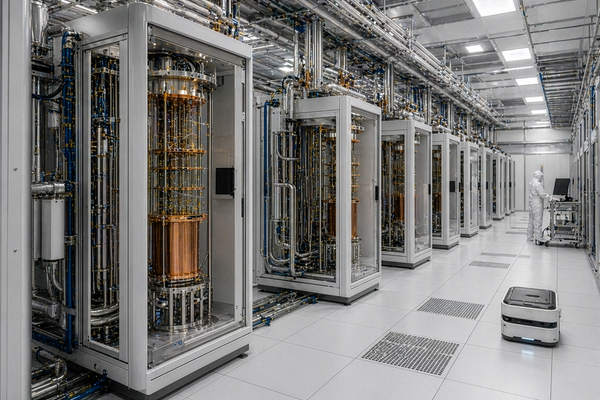
Data centers consume 415 TWh yearly and efficiency has stalled. Here's what science actually says about cryogenic computing as a solution.
Minerals
Critical metal powering semiconductors, EVs, and defense; tantalum faces DRC supply risk and rising demand from AI and electrification.
Industry
A deep dive into the tungsten supply chain: APT bottlenecks, carbide demand, recycling, and global market risks.
News
Reversible computing could break fundamental energy limits in chips; here’s the latest research, breakthroughs, and why it matters.
News
Even if shipping resumes, helium is already being lost, evaporation is turning delays into lasting supply shortages.
News
A global helium shortage is disrupting semiconductors, storage, and tech supply chains, revealing critical vulnerabilities.
Semiconductors
How the semiconductor supply chain works, from chip design to fabrication and global logistics. Explore chokepoints, geopolitics, and the future of chip manufacturing.